Access exclusive travel deals, industry leading news, and dynamic destination content.
The world of travel is constantly evolving, so let us do the work for you! We'll send you occasional emails to ensure you're up to date on all things travel and to make booking your next trip a breeze. Your email address comes to only us and you can unsubscribe at any time.
Sign Me Up
Grímsey
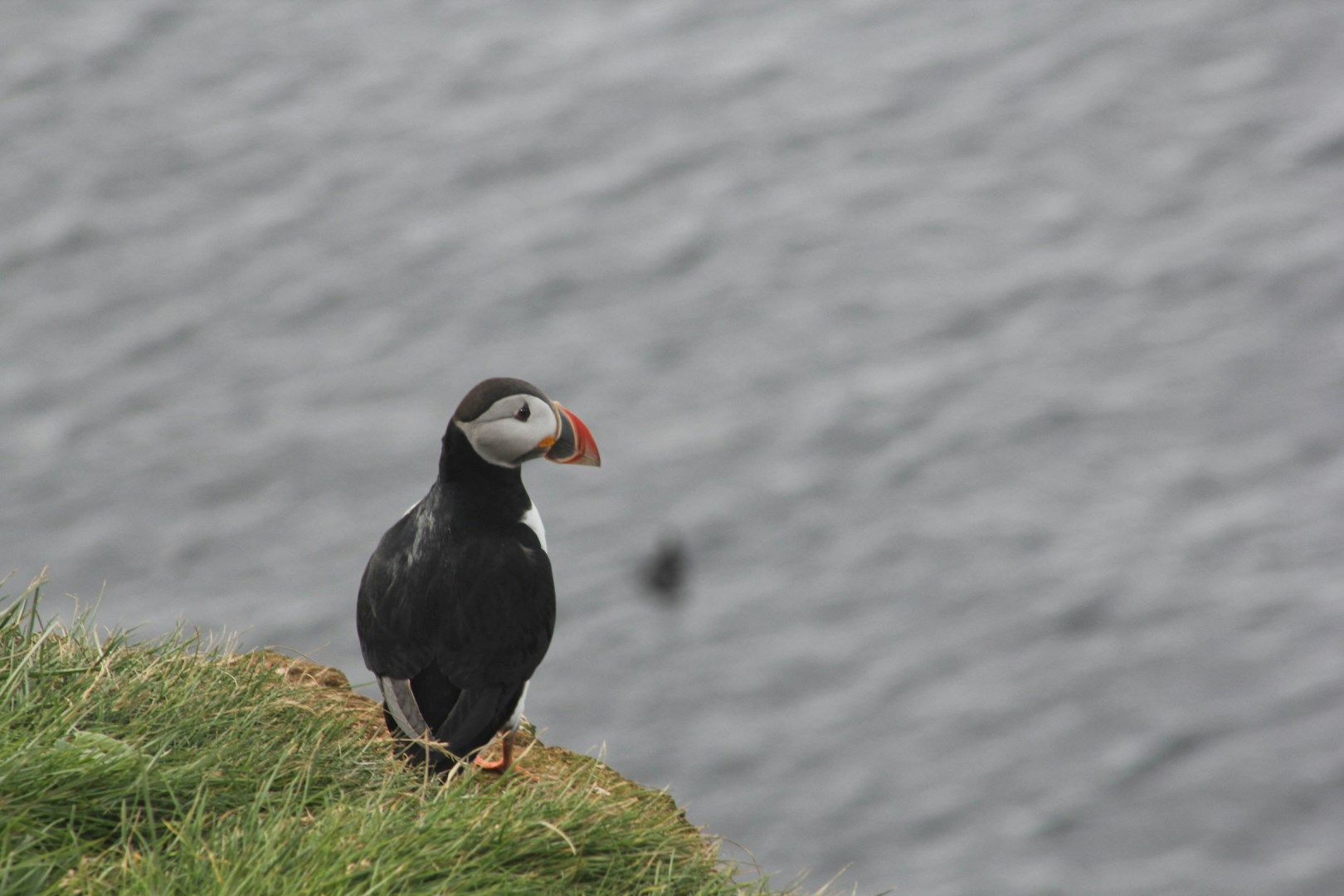
Grímsey is a small island in the Arctic Ocean, about 40 kilometers off the north coast of Iceland and the only part of the country crossed by the Arctic Circle. The island covers roughly 5.3 square kilometers and has a small settlement centered around its harbor. Fishing remains important to local life, while tourism has become another source of activity.
Guam
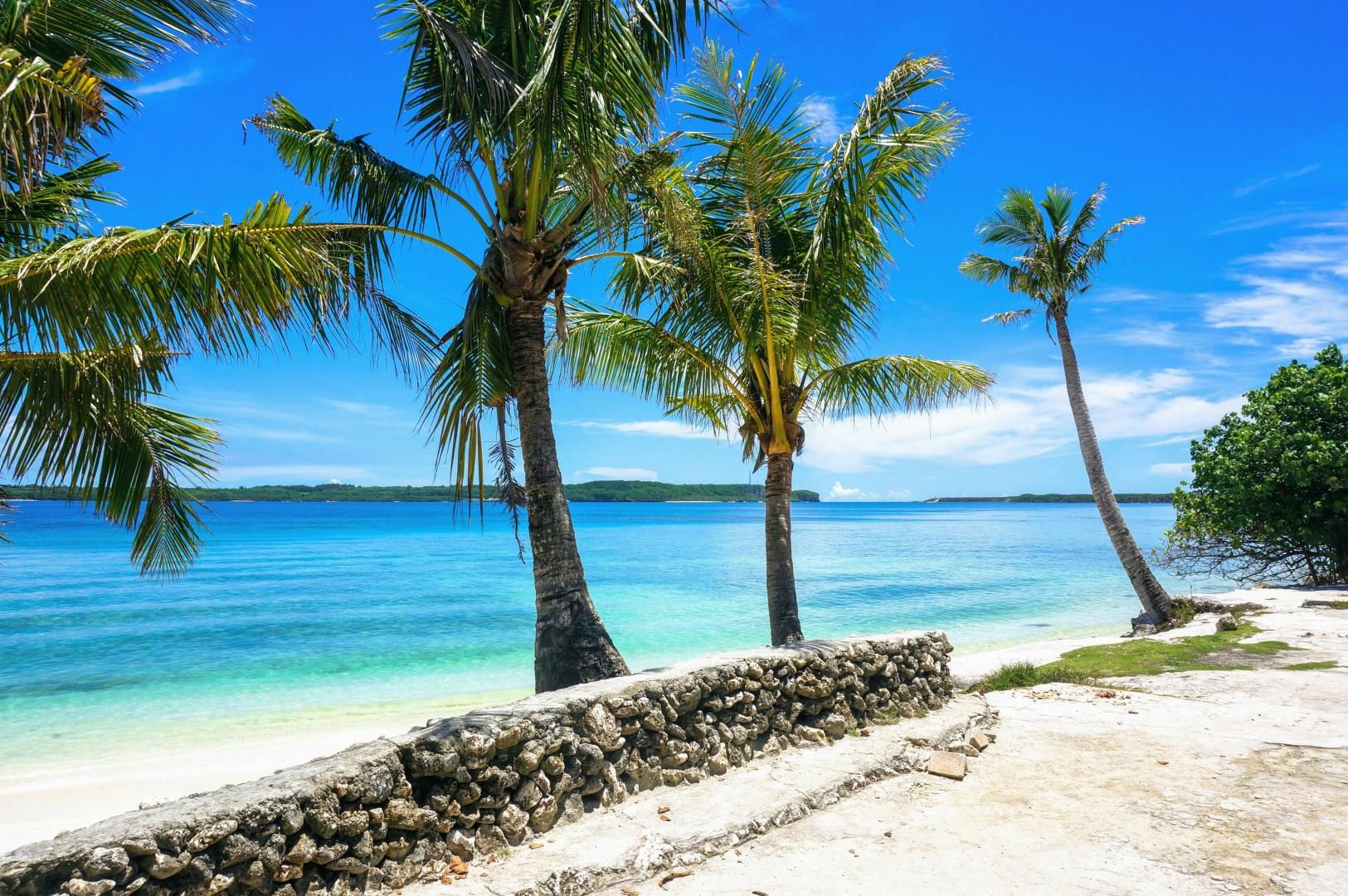
Guam, a vibrant island territory in the Western Pacific, offers travelers more than just sandy beaches and turquoise water. As the largest island in Micronesia, Guam has a dynamic past that’s shaped its present. Evidence of ancient Chamorro settlements can be found at sites like Latte Stone Park, where limestone pillars dating back over a thousand years stand tall.
Illinois
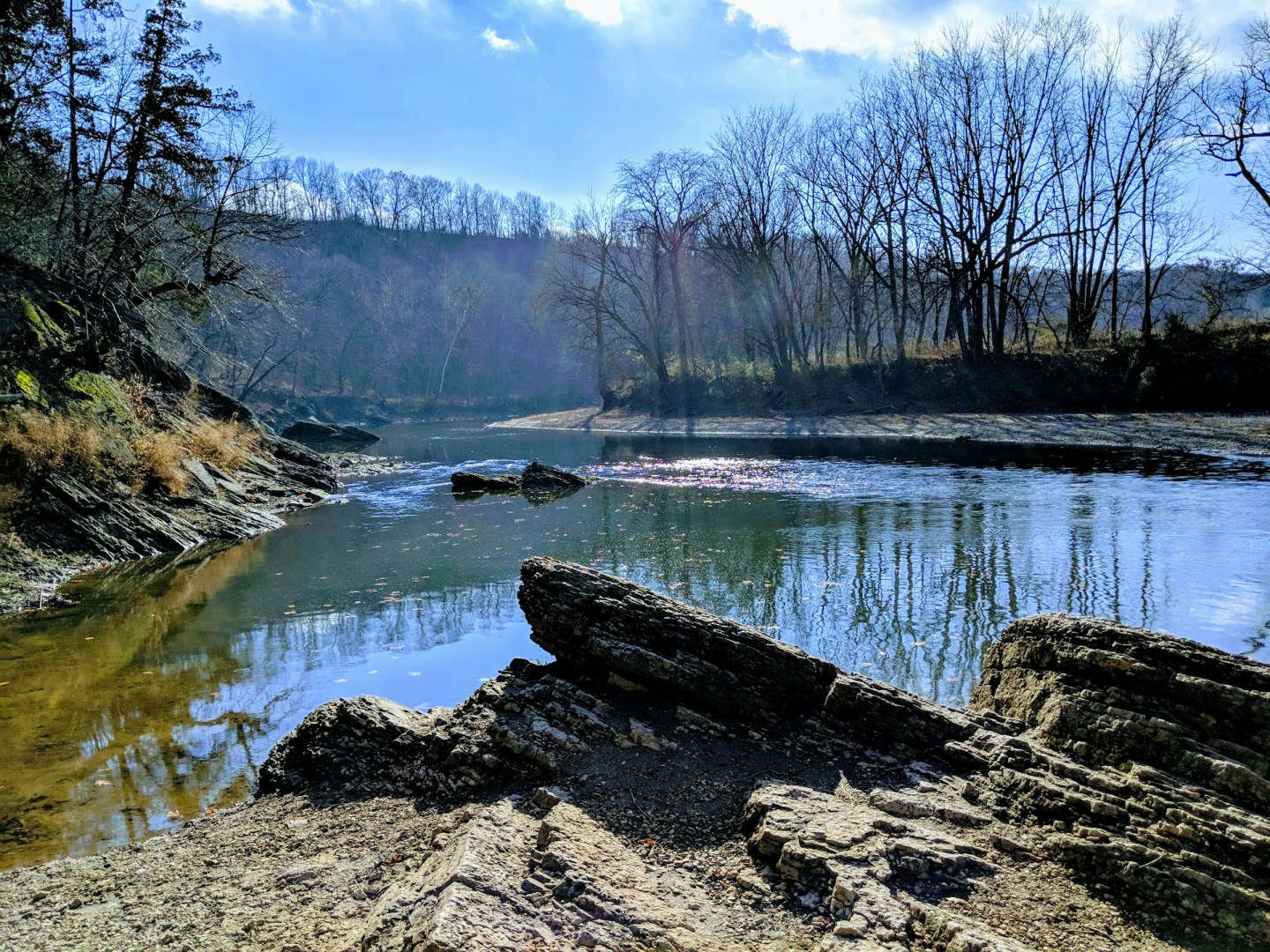
Illinois, a state known for its rich history and diverse attractions, offers a wealth of experiences for visitors. Chicago, its largest city, is a dynamic hub of culture and innovation. The iconic Millennium Park features the striking Cloud Gate sculpture, affectionately known as "The Bean," which reflects the city skyline in a captivating way. Just a short walk away, the Art Institute of Chicago houses an impressive collection of artworks, including Grant Wood’s famous “American Gothic”.

Caye Caulker
Caye Caulker lies off the coast of Belize, a small island that was once a quiet fishing village and today still feels wonderfully uncrowded compared to many Caribbean destinations. Its name likely comes from an English twist on “Hicaco,” the old Spanish name meaning coco plum, a nod to the island’s early days and bilingual roots.

Basel
Basel is the global center of the pharmaceutical industry, but most travelers visit for the world-famous ART Basel festival, as well as the numerous art galleries, iconic architecture and museums.
Apollo Bay
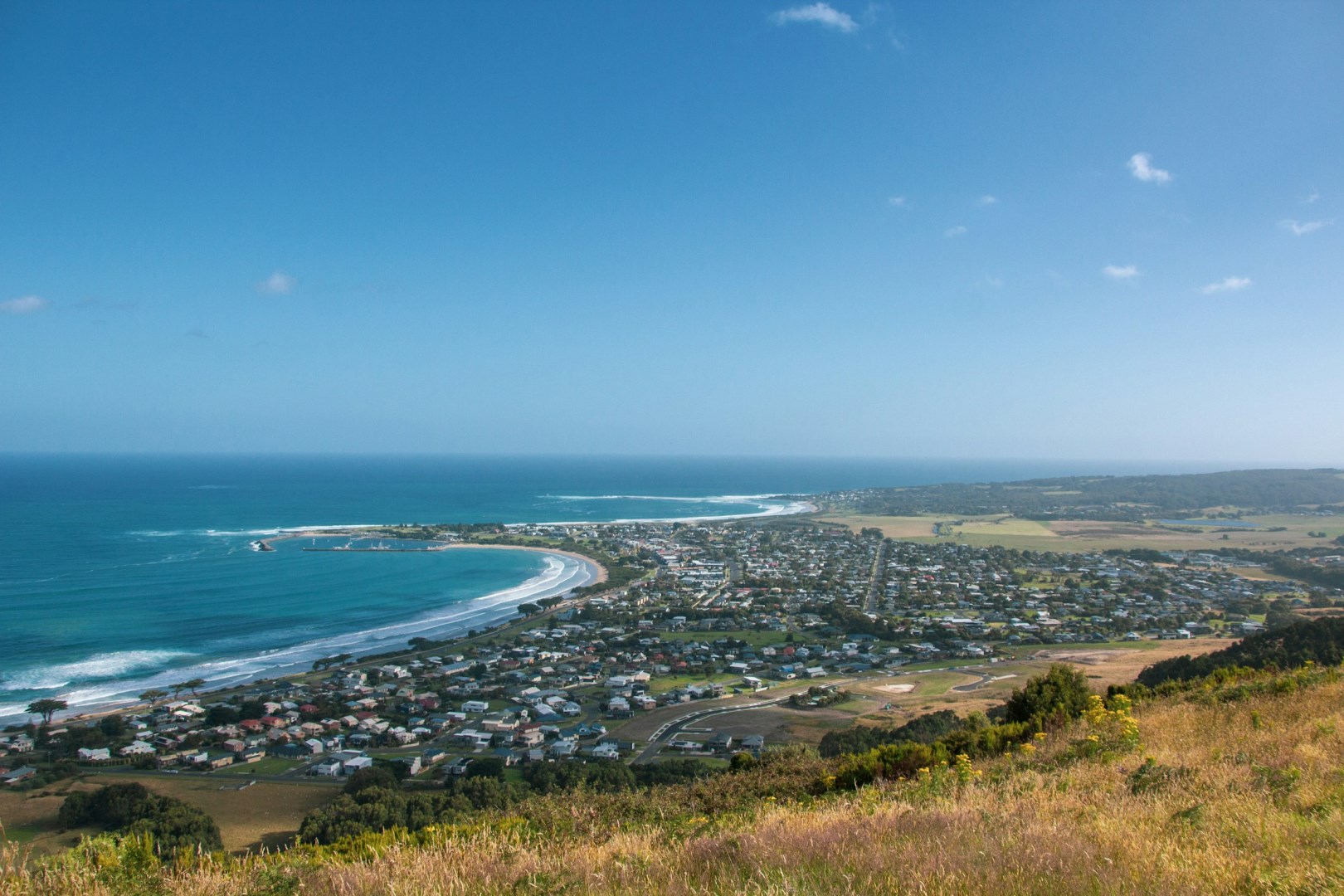
Apollo Bay is a coastal town on Victoria’s Great Ocean Road, where the Southern Ocean meets the forested slopes of the Otway Ranges. The town sits beside a broad, crescent-shaped beach and a working fishing harbour, with the hills rising quickly behind the settlement