Access exclusive travel deals, industry leading news, and dynamic destination content.
The world of travel is constantly evolving, so let us do the work for you! We'll send you occasional emails to ensure you're up to date on all things travel and to make booking your next trip a breeze. Your email address comes to only us and you can unsubscribe at any time.
Sign Me Up
Prince George
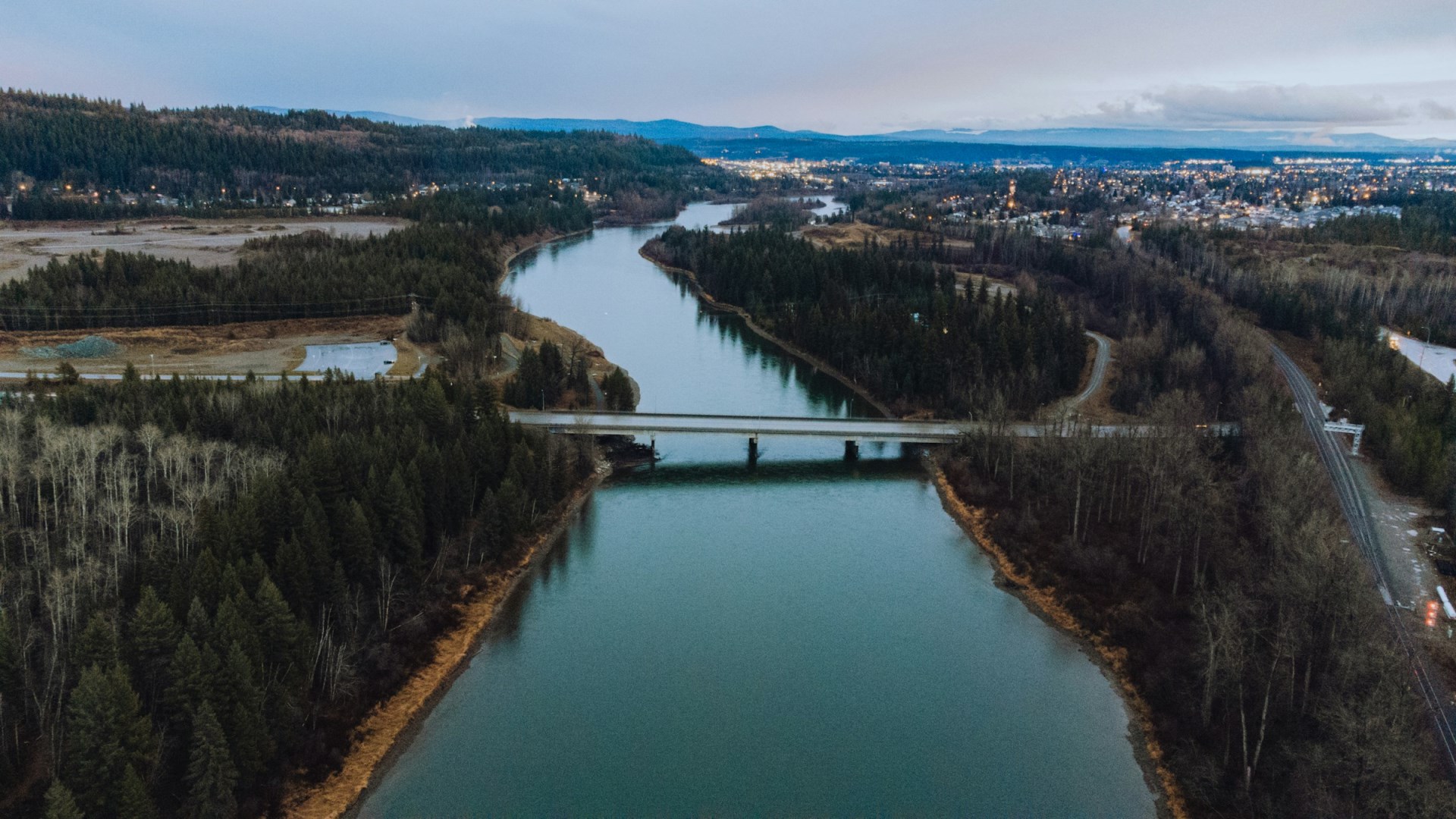
Prince George is a city in north-central British Columbia located where the Nechako and Fraser Rivers meet. Its position between the Interior and northern regions has made it an important transportation, forestry, education, and service centre. The city is surrounded by forests, lakes, rivers, and rolling terrain, with the surrounding landscape reflecting the transition between several ecological zones.
Two Hummock Island
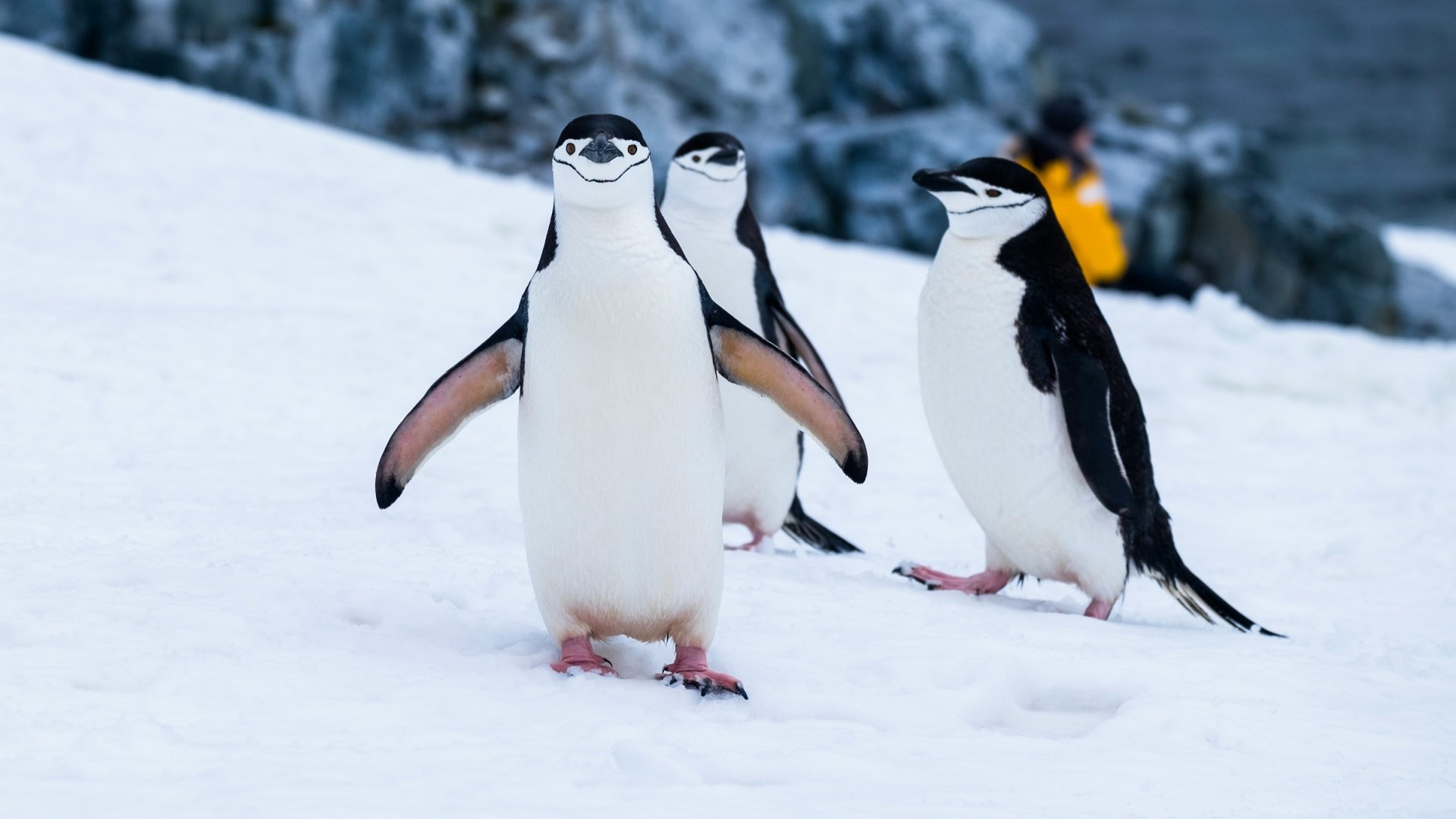
Two Hummock Island is a mountainous island off the west coast of the Antarctic Peninsula, separated from the mainland by the Lemaire Channel region and surrounded by ice-filled waters. The island is named for its two prominent peaks, which rise above a rugged landscape of snow, rock, and glaciers. Its remote setting makes it a less frequently visited destination than some nearby Antarctic sites, but expedition vessels may approach the island for wildlife viewing, scenic cruising, or shore activi
Abu Dhabi
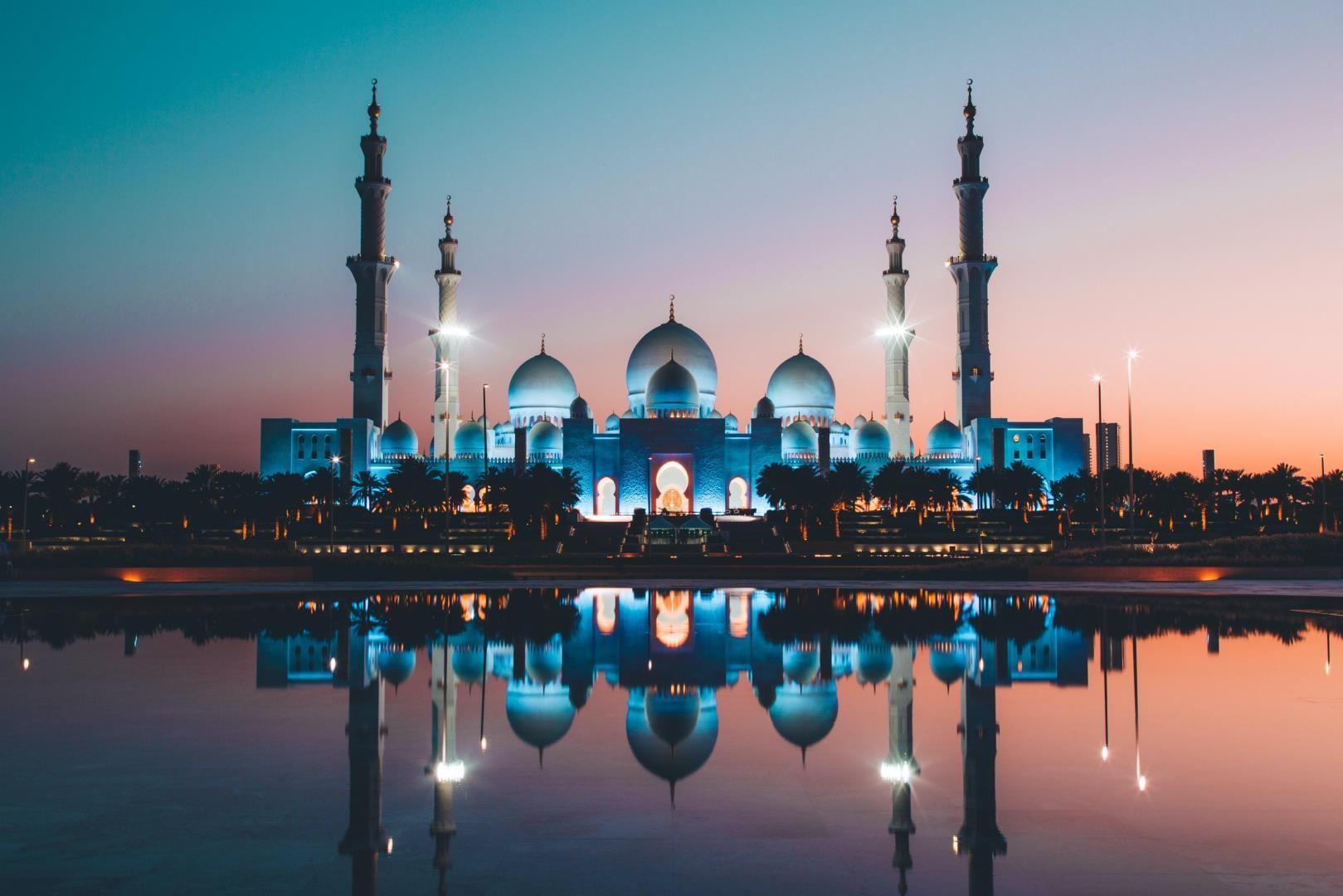
A city in perpetual forward motion, Abu Dhabi greets visitors with gleaming skyscrapers and opulent Islamic architecture. There is much to see here, from the recently opened Louvre Abu Dhabi to the gigantic Sheikh Zayed Grand Mosque, with its white marble splendor. Beach life and turquoise waters can be found on Saadiyat Island, Al Bateen and Corniche Beach.
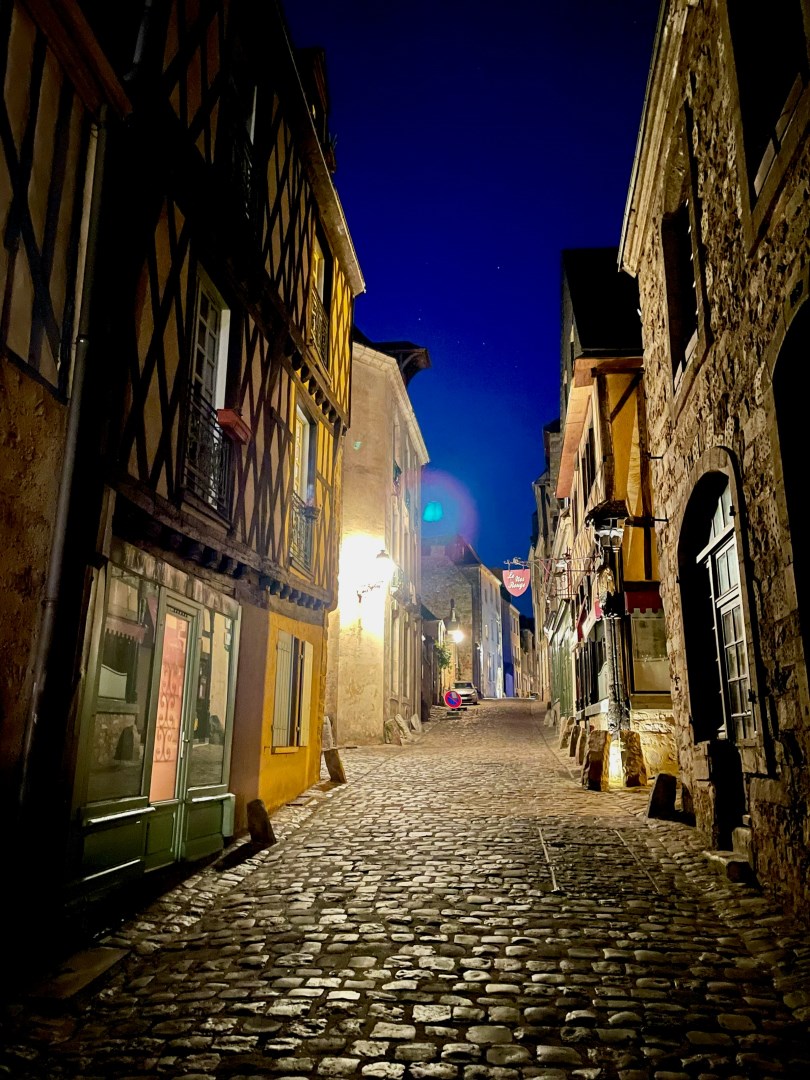
Le Mans
Located west of Paris, it is famous for its race track and the annual 24 hour Grand Pris auto race.

Czech Republic
The Czech Republic is a country where centuries-old castles, storybook towns, and deeply rooted traditions coexist with vibrant art scenes and local beer halls. Prague draws the most attention, with its Gothic towers, Baroque churches, and the world’s oldest working astronomical clock, still ticking in the Old Town Square.
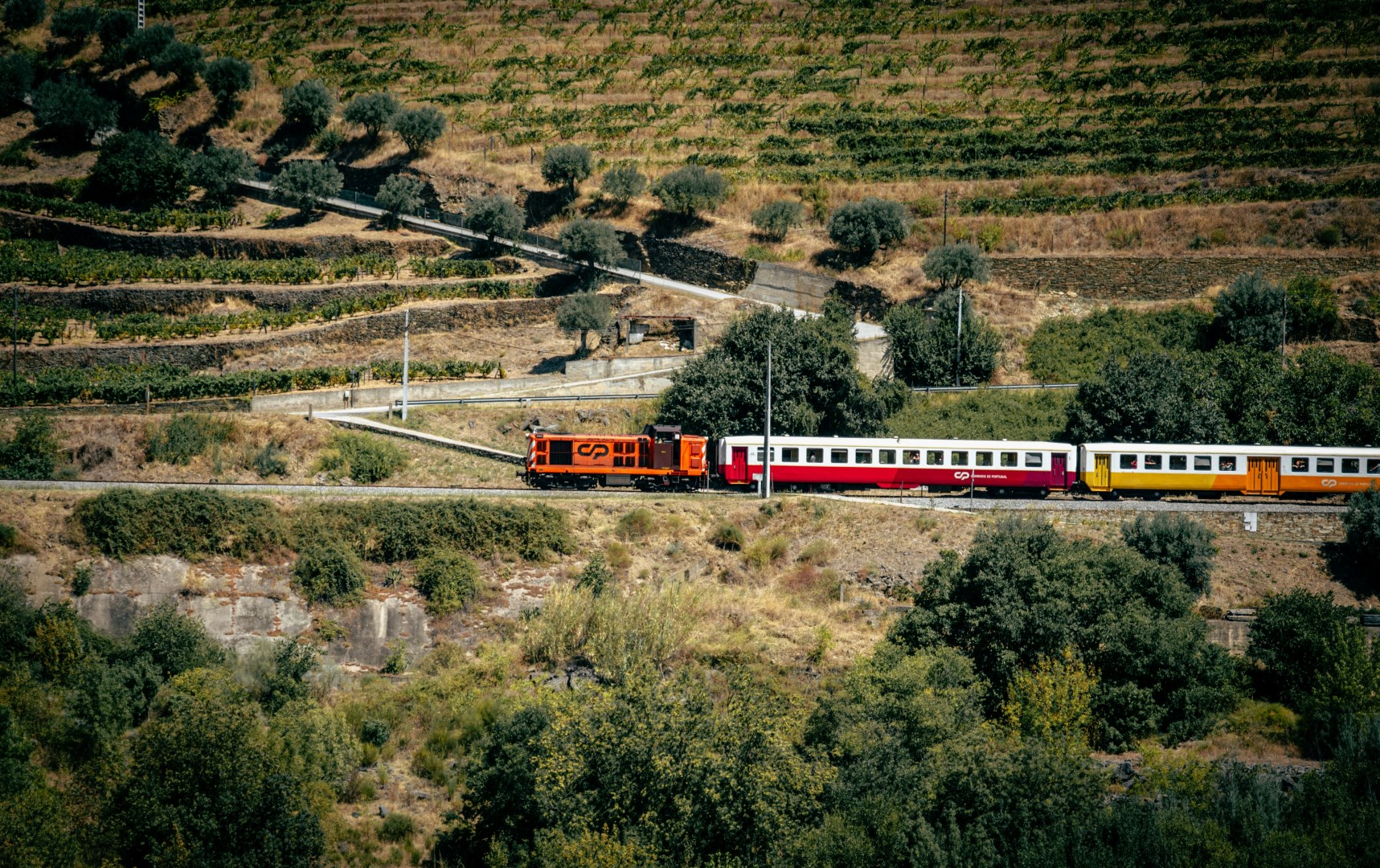
Peso da Regua
Peso da Régua, often called the gateway to Portugal's Douro Valley, sits along the banks of the Douro River and is surrounded by steep, terraced vineyards. The town has long been central to the production of the world-famous Port wine, and visitors can explore the rolling hills covered with neatly arranged grapevines that climb dramatically from the river’s edge. The town itself offers a quiet riverside charm, with narrow streets, historic buildings, and scenic viewpoints.