Access exclusive travel deals, industry leading news, and dynamic destination content.
The world of travel is constantly evolving, so let us do the work for you! We'll send you occasional emails to ensure you're up to date on all things travel and to make booking your next trip a breeze. Your email address comes to only us and you can unsubscribe at any time.
Sign Me Up

Reggio Calabria
Reggio Calabria, located at the tip of Italy’s toe, is a city where ancient history and natural beauty converge in spectacular fashion. One of the city's most renowned landmarks is the Bronzi di Riace, two magnificent bronze statues from the 5th century BC that were discovered off the coast of Riace in 1972.
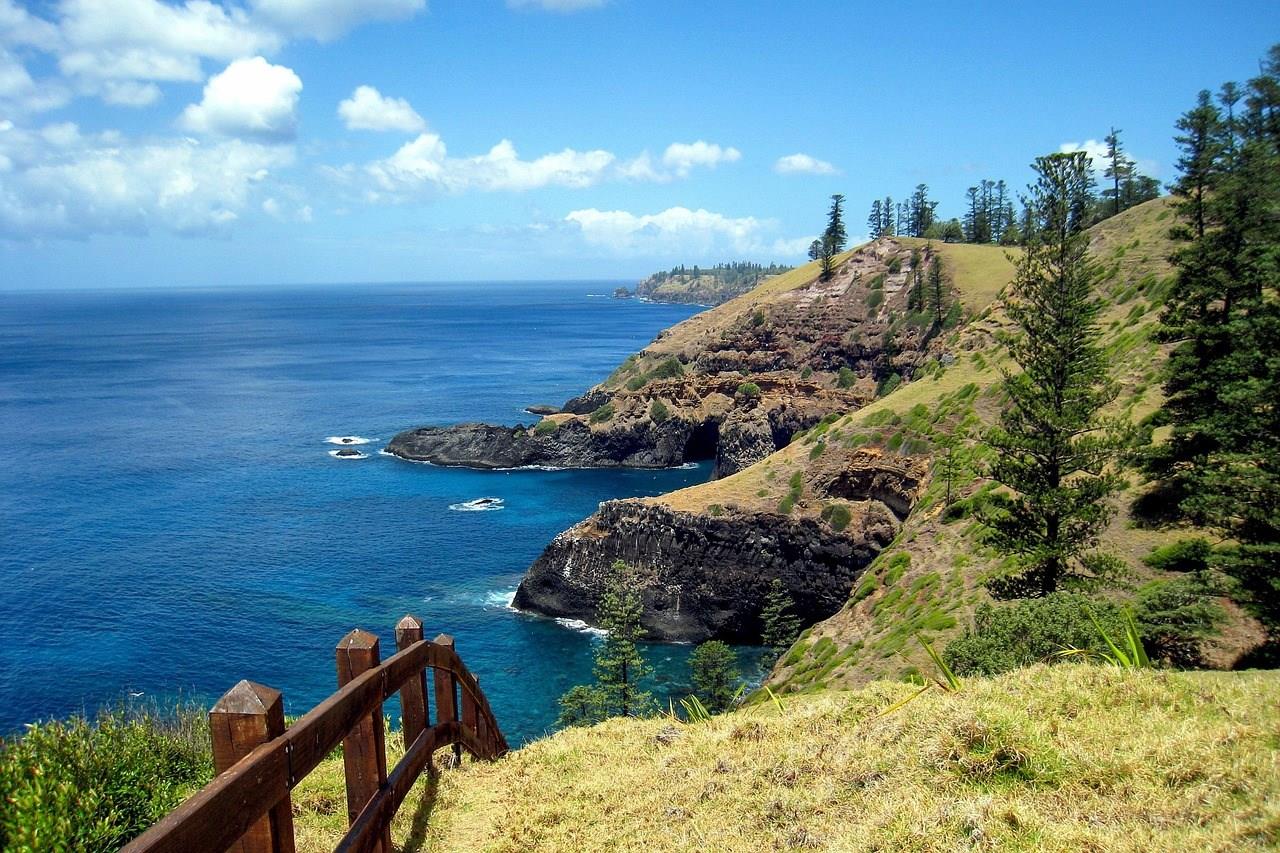
Norfolk Island
Norfolk Island may be small but it carries a story that spans centuries. Located in the South Pacific between Australia, New Zealand, and New Caledonia, the island is a fascinating blend of Polynesian roots, British convict history, and Pitcairn Island culture. Today, visitors can walk through one of the best-preserved penal settlements in the world at Kingston, where stone ruins and restored Georgian buildings stand against a backdrop of green hills and the open sea.

Dominica
Dominica, known as the “Nature Island of the Caribbean,” is a haven for eco-tourists and adventure seekers. Nestled between the French islands of Guadeloupe and Martinique, this lush island boasts a remarkable landscape of volcanic mountains, dense rainforests, and stunning waterfalls. Dominica’s most iconic natural wonder is the Boiling Lake, the second-largest hot spring in the world.
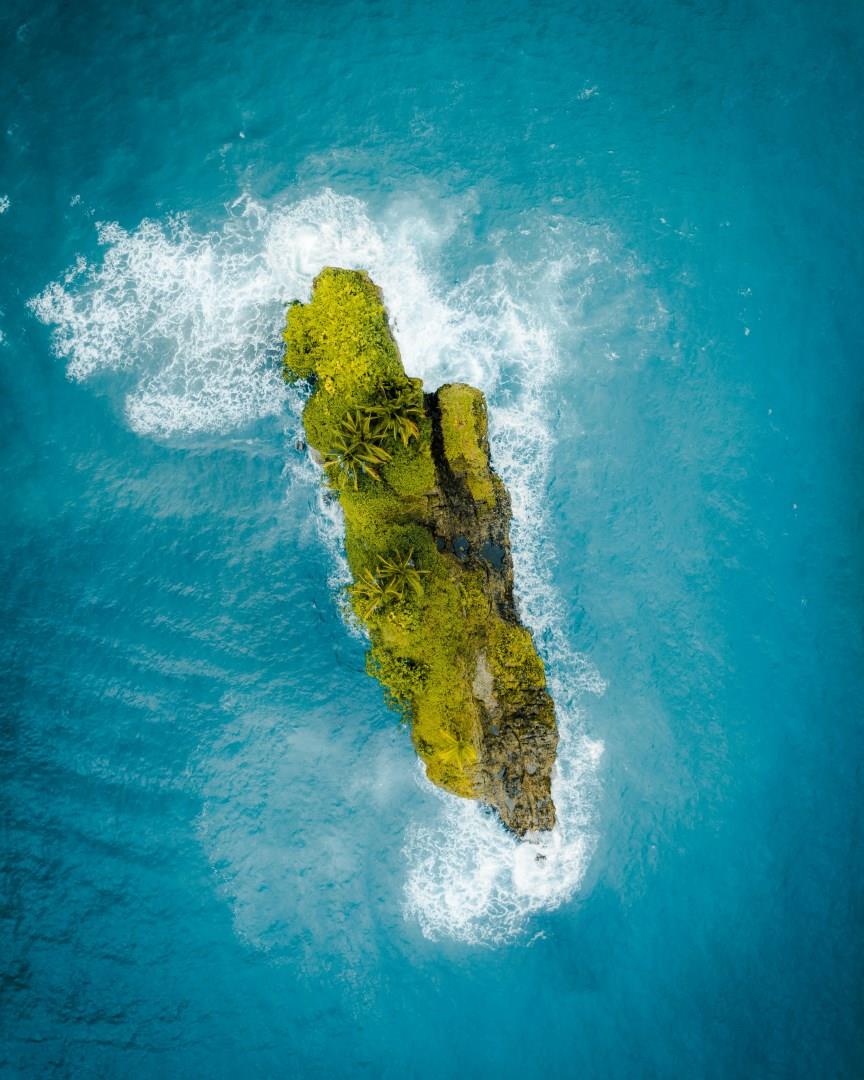
Puerto Viejo de Talamanca
Puerto Viejo de Talamanca, on Costa Rica’s southern Caribbean coast, is a lively seaside town where Afro-Caribbean culture, indigenous traditions, and tropical landscapes come together. Once a quiet fishing village, it is now known for its reggae rhythms, colorful wooden houses, and a laid-back atmosphere.

Las Vegas
Las Vegas, Nevada, is an electrifying city where glitz and glamour meet entertainment and excitement. Known as "The Entertainment Capital of the World," Las Vegas offers an unparalleled array of attractions, from its iconic casinos and luxurious hotels to its world-class dining and live shows. The city's entertainment scene is second to none, featuring legendary headliners, cutting-edge performances, and an array of themed attractions.
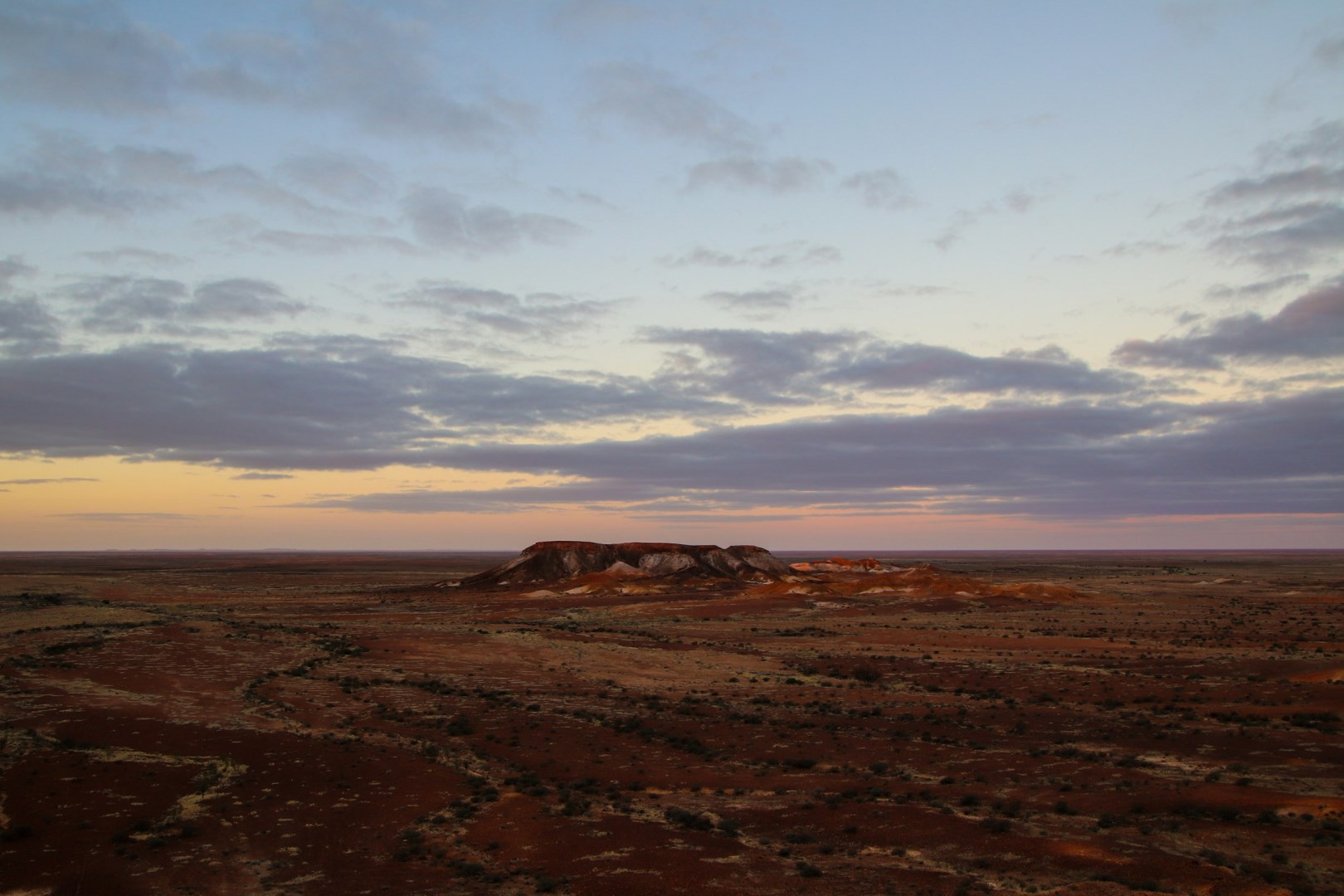
Coober Pedy
Located in the Southern Territory. Coober Pedy is known as the opal capital of the world, with many opal caves.