Access exclusive travel deals, industry leading news, and dynamic destination content.
The world of travel is constantly evolving, so let us do the work for you! We'll send you occasional emails to ensure you're up to date on all things travel and to make booking your next trip a breeze. Your email address comes to only us and you can unsubscribe at any time.
Sign Me Up
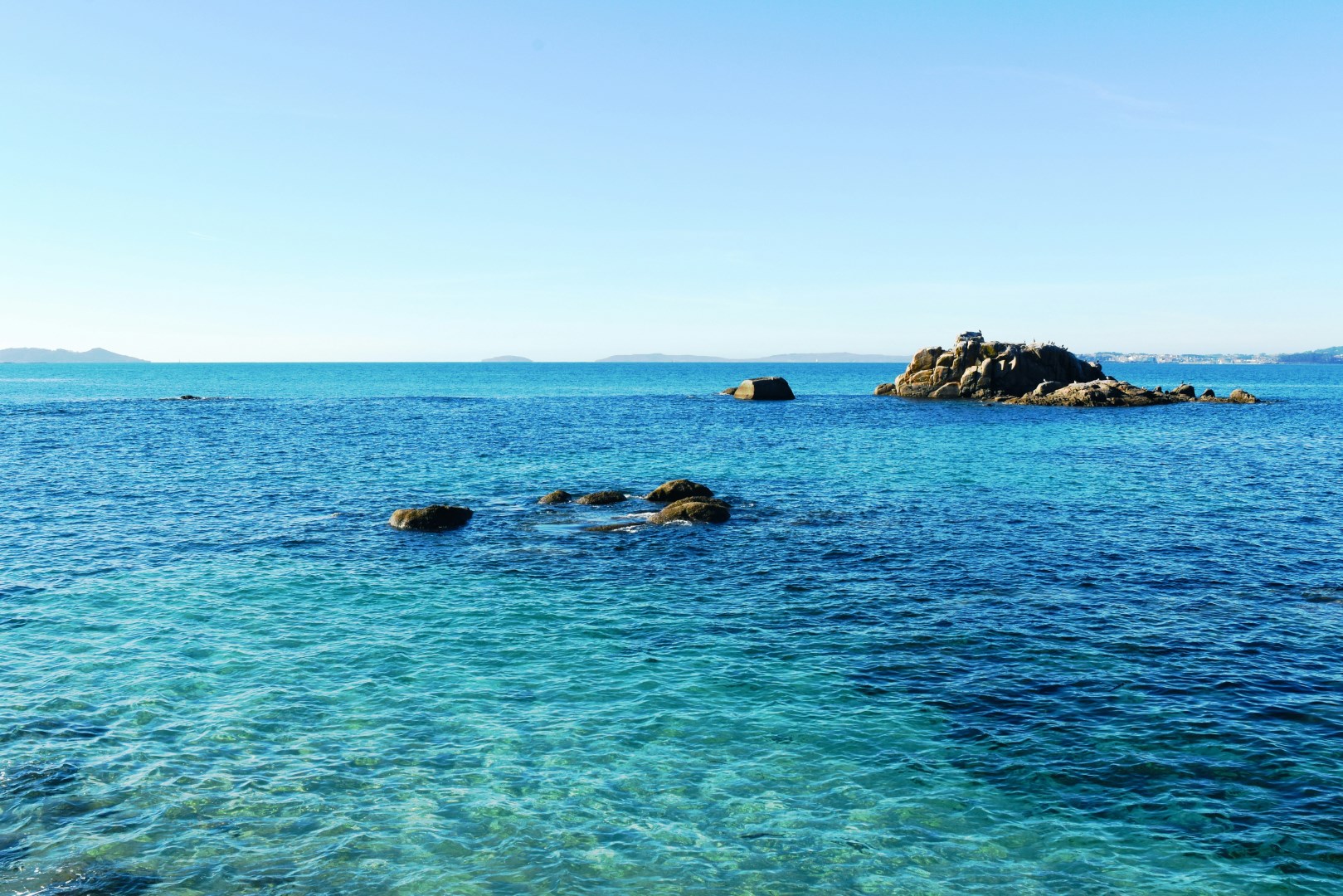
Pontevedra
Pontevedra is a historic city in Galicia, in northwestern Spain, set along the Lérez River near the Atlantic coast. It is known for its well-preserved old town and a layout that favors pedestrians, giving the center a calm and accessible feel.
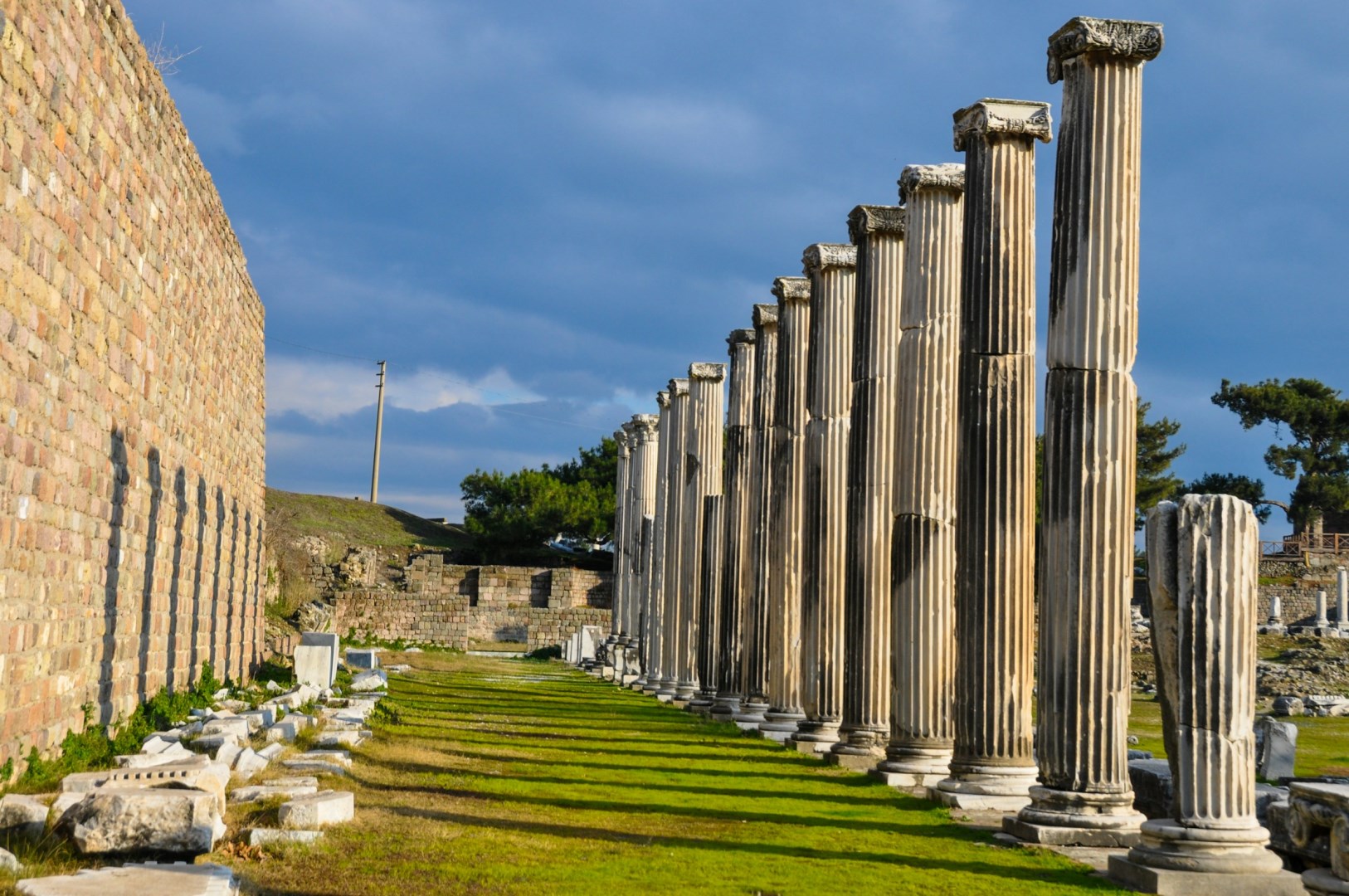
Bergama
Pergamum, or Bergama, was a Hellenistic city state that once rivaled Athens and Alexandria as a cultural center. It is the site of one of the Seven Churches mentioned in the Book of Revelation. It became an important missionary center after the adoption of Christianity.
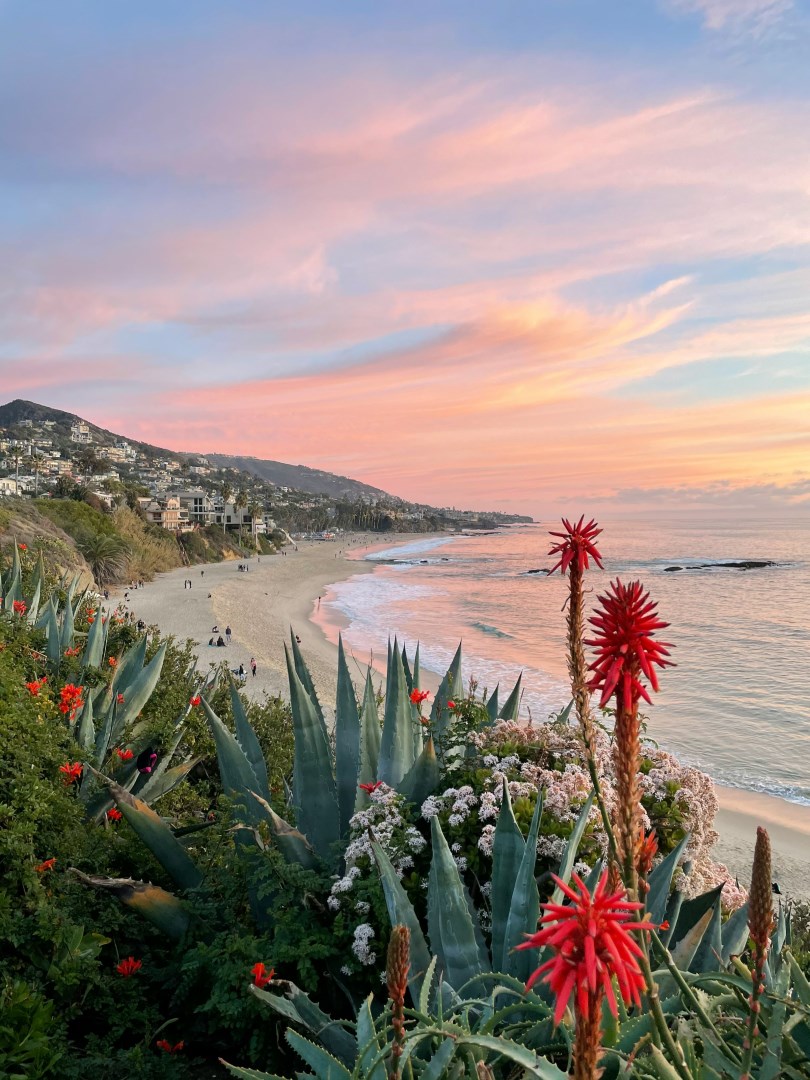
Laguna Beach
Laguna Beach is a coastal city in Southern California, set between steep hills and the Pacific Ocean in Orange County. Its shoreline is marked by sandy coves, rocky headlands, sea caves, tide pools, and coastal cliffs, while the surrounding hills contain chaparral and protected open spaces. The city has a compact downtown with galleries, restaurants, shops, and small public spaces close to the water. Unlike much of the more heavily developed Orange County coast, Laguna Beach retains numerous und

Volga
The Volga River is an emblematic waterway that meanders through the heart of Russia, offering an exceptional journey through the country’s rich cultural and historical tapestry. As Europe’s longest river, stretching approximately 3,530 kilometers (2,194 miles), the Volga flows from the Valdai Hills to the Caspian Sea, weaving through major cities such as Tver, Nizhny Novgorod, and Volgograd.
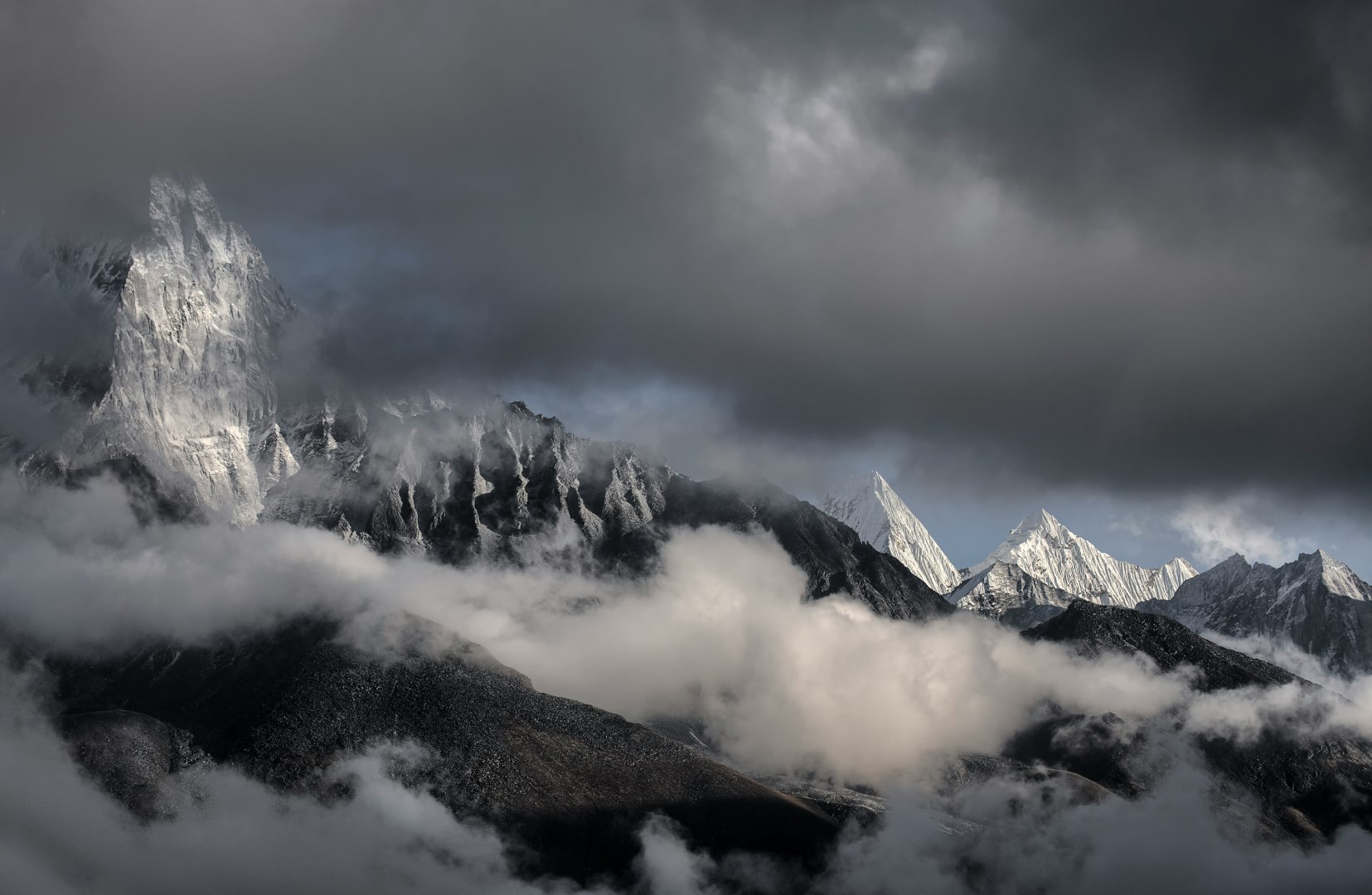
Pheriche
Set high in the Khumbu Valley, Pheriche offers a quiet yet striking stop along the route toward Mount Everest. Surrounded by wide landscapes and rugged peaks, this small settlement sits in a windswept valley where the air is crisp and the views stretch for miles. Unlike busier stops along the trail, Pheriche gives travelers space to pause, adjust to the altitude, and take in the scale of the Himalayas without distraction.
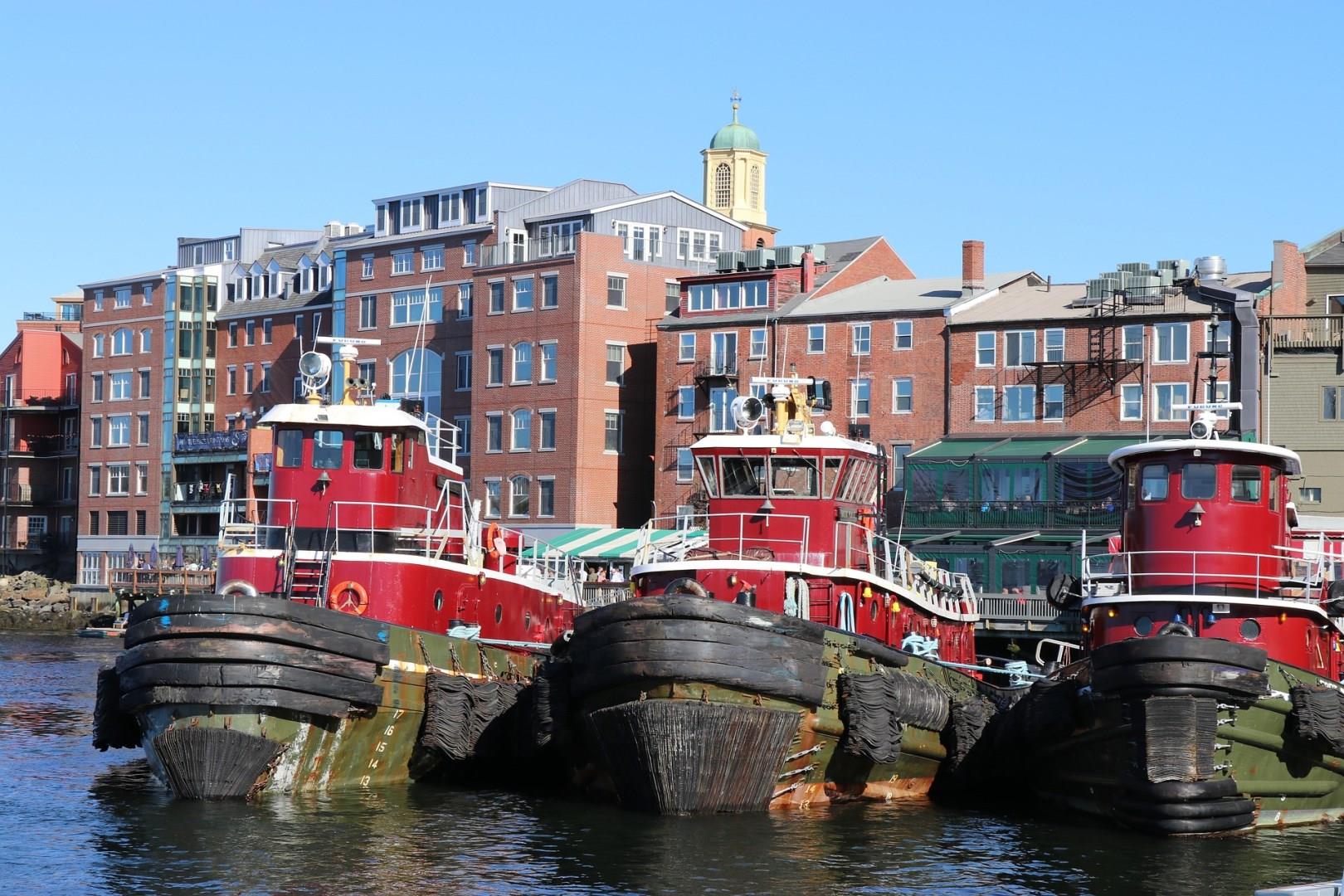
Portsmouth
Portsmouth is a coastal city in southeastern New Hampshire, positioned along the Piscataqua River near the state’s short Atlantic shoreline. Its compact downtown is known for brick buildings, narrow streets, independent shops, restaurants, galleries, and a busy waterfront. The city’s maritime setting remains central to its identity, with working docks and views across the river toward Maine. Prescott Park provides gardens and open space beside the water, while nearby islands, beaches, and coasta