Access exclusive travel deals, industry leading news, and dynamic destination content.
The world of travel is constantly evolving, so let us do the work for you! We'll send you occasional emails to ensure you're up to date on all things travel and to make booking your next trip a breeze. Your email address comes to only us and you can unsubscribe at any time.
Sign Me Up
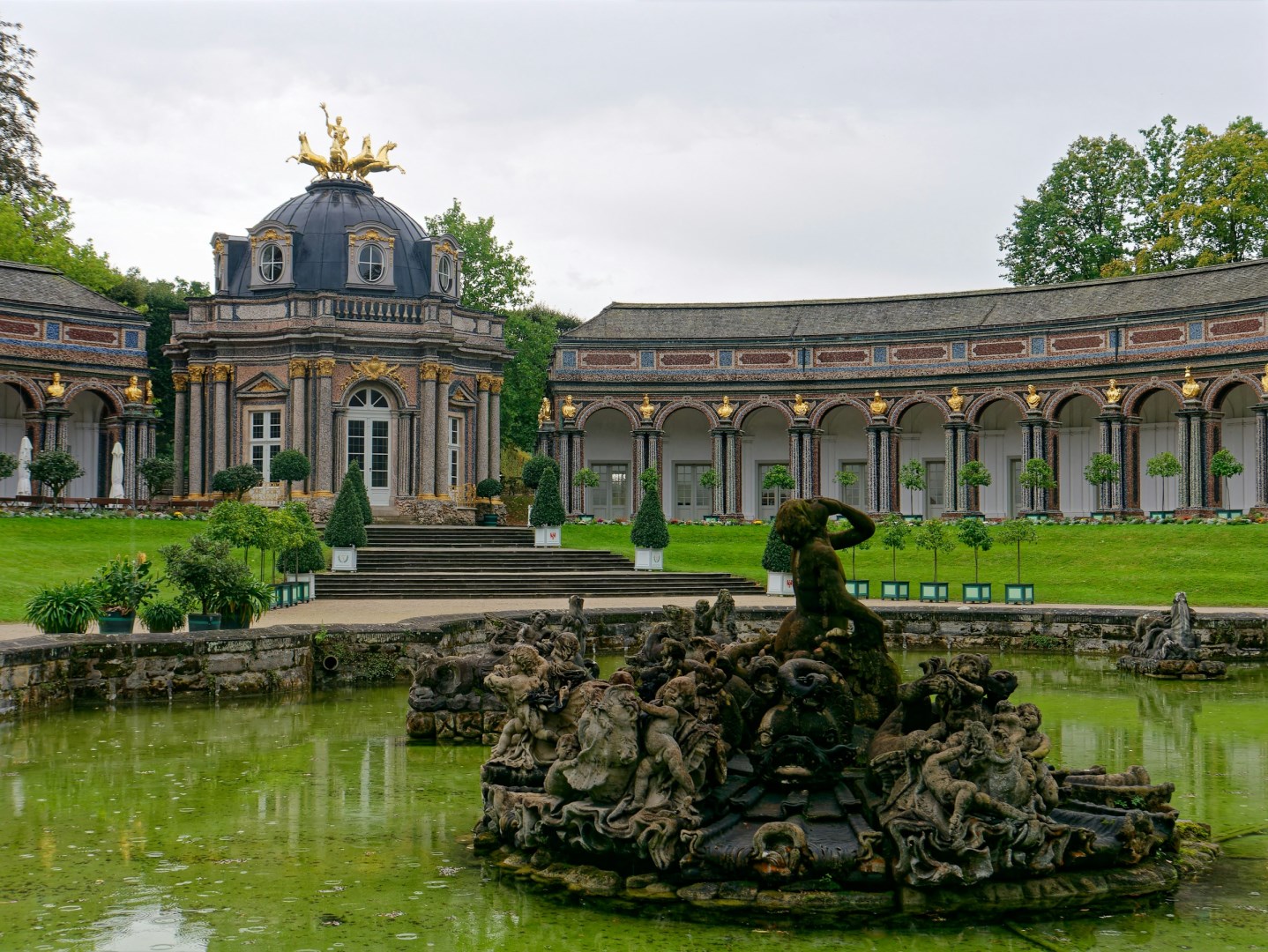
Bayreuth
A hundred and forty seven miles from Frankfurt, Bayreuth is an important town the the history of classical music. There's a museum in this town dedicated to the composer who made Bayreuth famous, Richard Wagner. Every year, from the end of July and throughout August, the Bayreuth Festival pays homage to Wagner by presenting various operas he created.
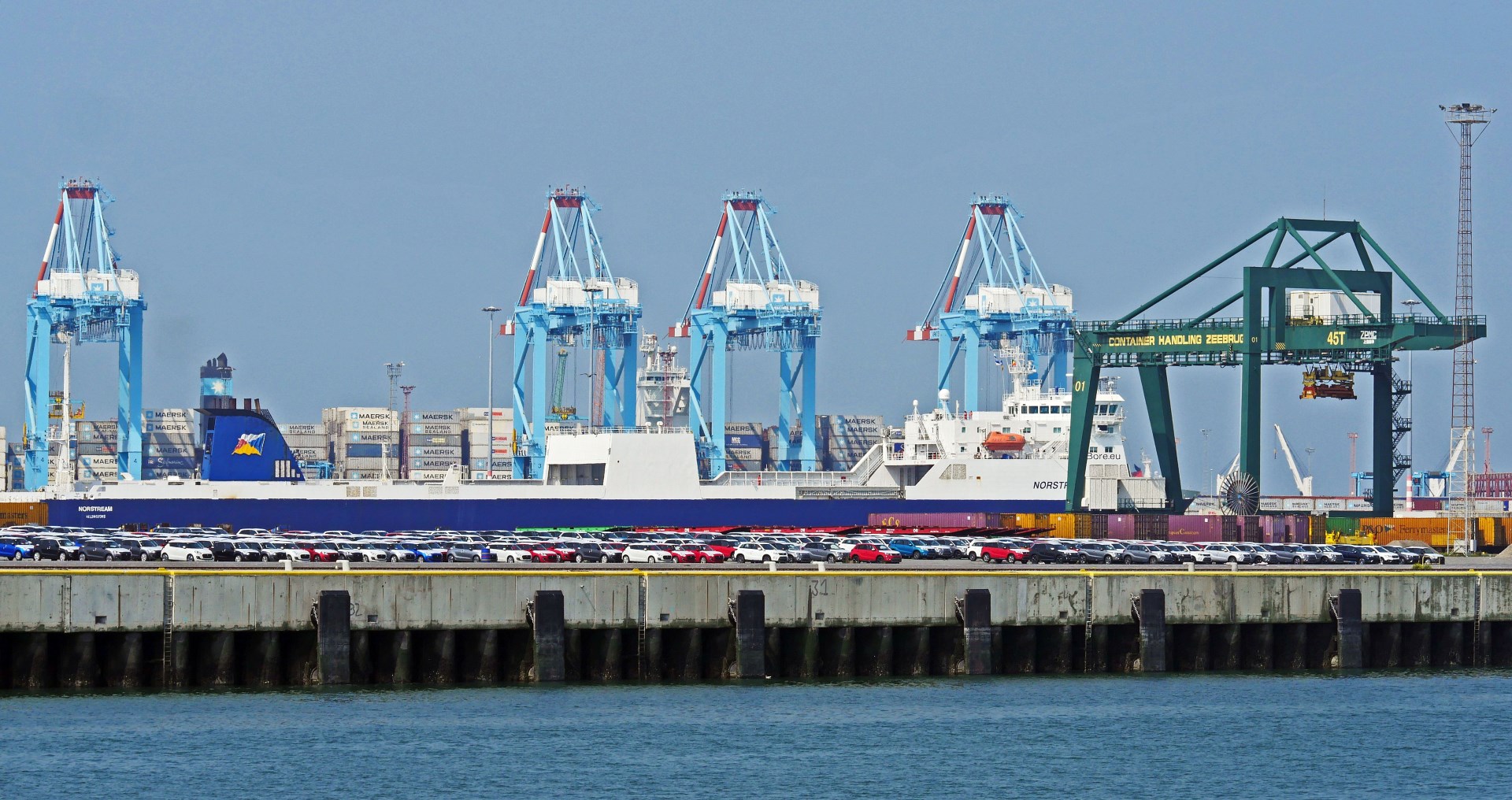
Zeebrugge
Zeebrugge is a coastal district of Bruges in West Flanders, Belgium, located on the North Sea coast. It is best known as one of Europe’s major ports, handling international cargo, passenger ferries, and fishing activities.

Bamberg
Bamberg, located in northern Bavaria, stands out for its remarkably preserved medieval layout, which earned it a spot on the UNESCO World Heritage list. Built on seven hills and often compared to Rome for that reason, the city’s architecture reflects over a thousand years of uninterrupted development. Bamberg is well known for its beer, and not just in the usual Bavarian sense. The city has more breweries per capita than any other town in Germany, and it’s the birthplace of rauchbier.
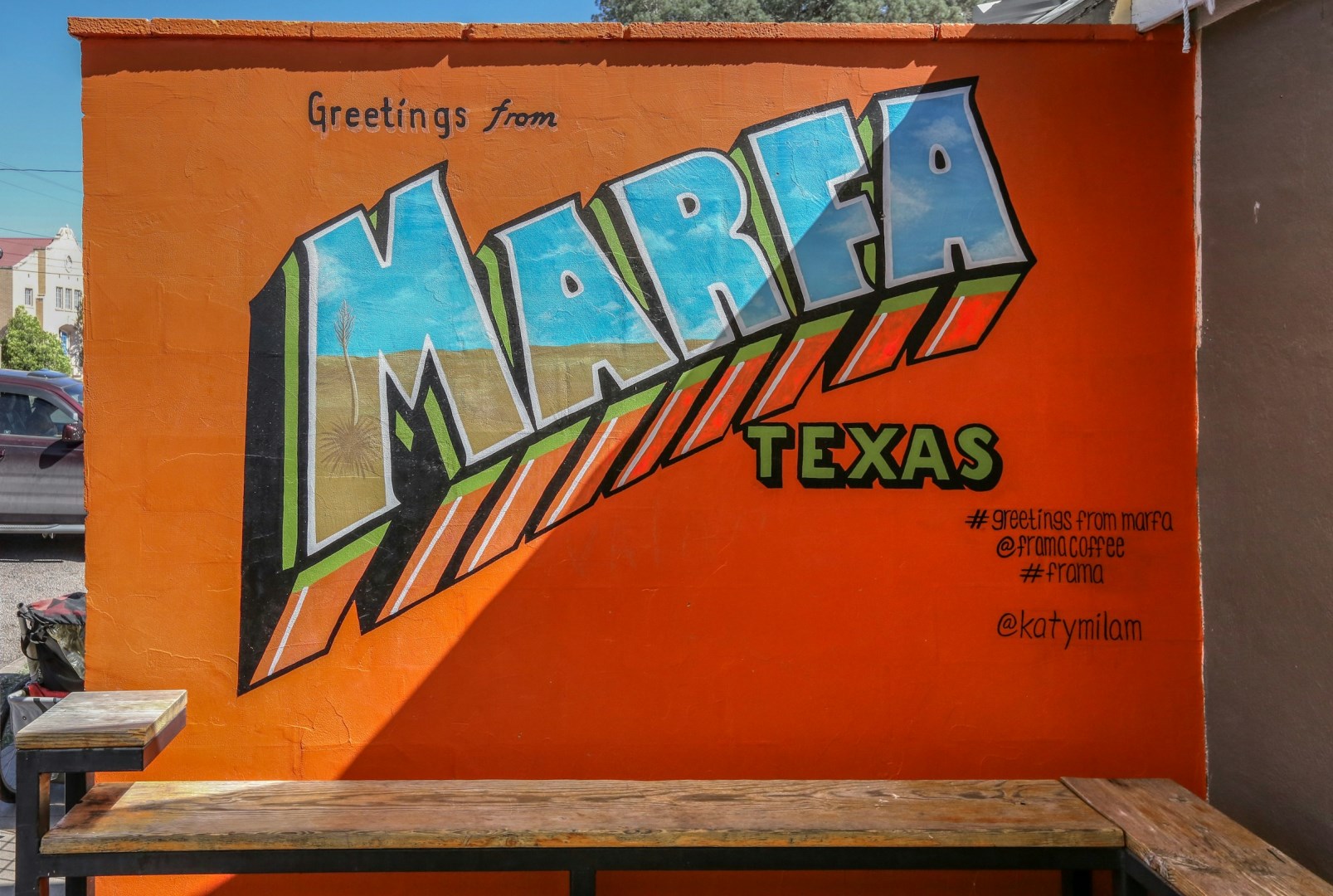
Marfa
This desert city in west Texas might be small in size, but it is big in arts! As an arts hub, founded by artist Donald Judd, it features both huge outdoor, and indoor, installations on an old army base. Whether you are looking for traditional, or quirky, in your art, Marfa has it.
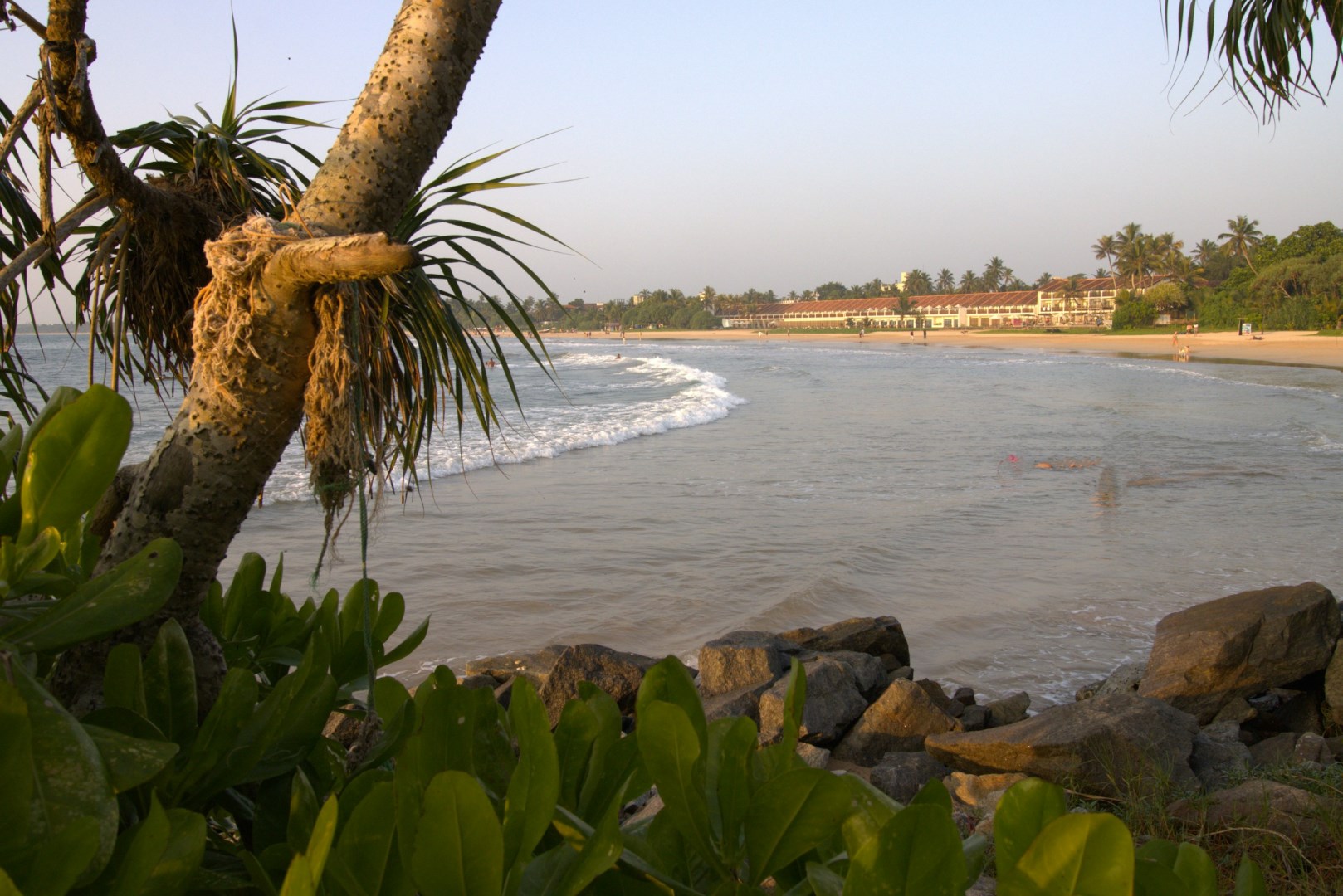
Bentota
Bentota is a coastal town in Sri Lanka’s Southern Province, positioned where the Bentara River meets the Indian Ocean. Its landscape is shaped by a broad sandy beach, the river’s waterways, and tropical vegetation, creating a setting where inland and coastal environments meet. Bentota is particularly associated with water-based recreation, including swimming, river excursions, fishing, windsurfing, waterskiing, snorkeling, and diving. The town is also known for Ayurveda, with wellness treatments
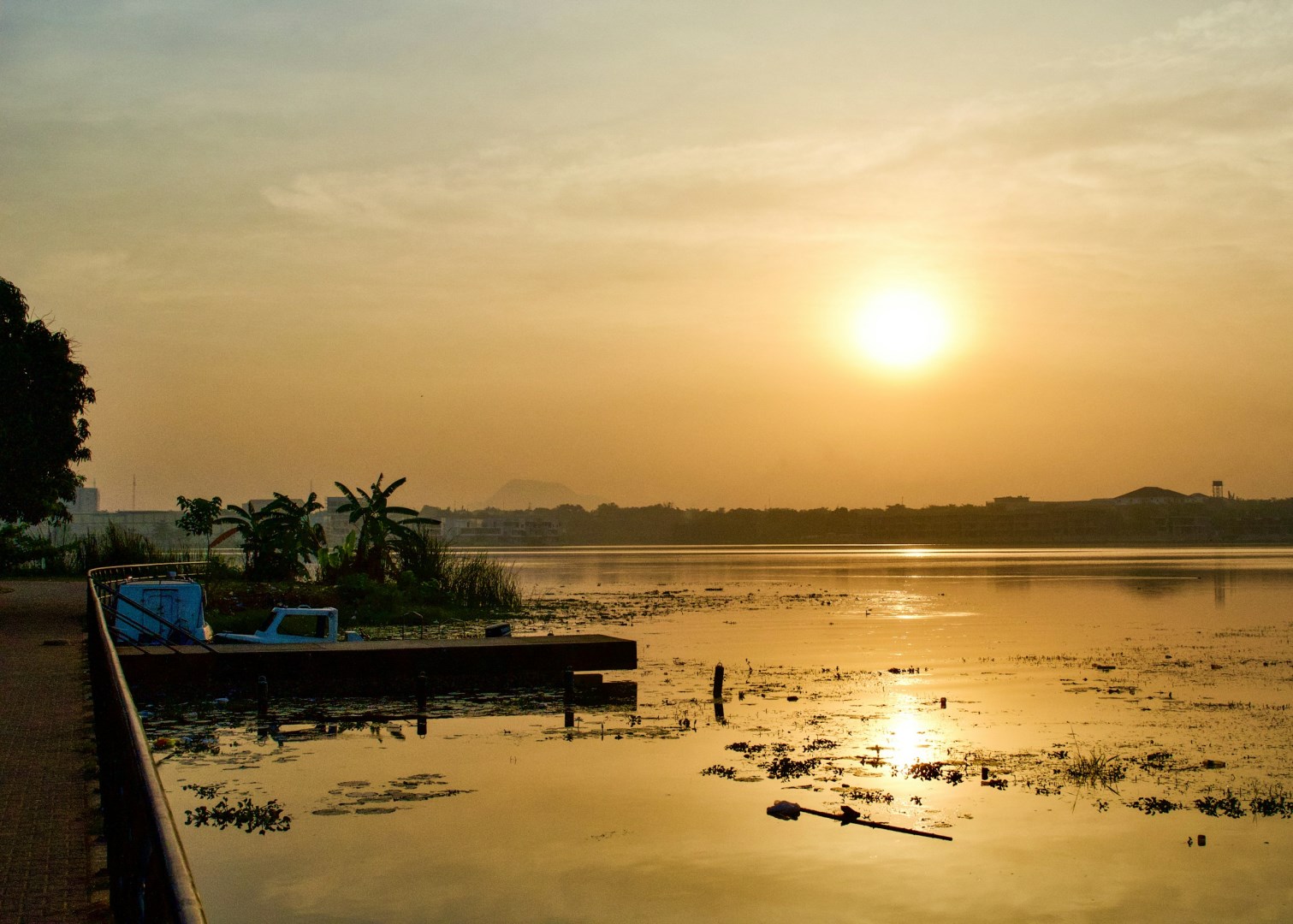
Abuja
Abuja is a planned, modern city and the proposed new federal capital of Nigeria. The site was chosen to replace the capital Lagos because of the central location, easy accessibility, good climate and land for further expansion.