Access exclusive travel deals, industry leading news, and dynamic destination content.
The world of travel is constantly evolving, so let us do the work for you! We'll send you occasional emails to ensure you're up to date on all things travel and to make booking your next trip a breeze. Your email address comes to only us and you can unsubscribe at any time.
Sign Me Up

Las Vegas
Las Vegas, Nevada, is an electrifying city where glitz and glamour meet entertainment and excitement. Known as "The Entertainment Capital of the World," Las Vegas offers an unparalleled array of attractions, from its iconic casinos and luxurious hotels to its world-class dining and live shows. The city's entertainment scene is second to none, featuring legendary headliners, cutting-edge performances, and an array of themed attractions.
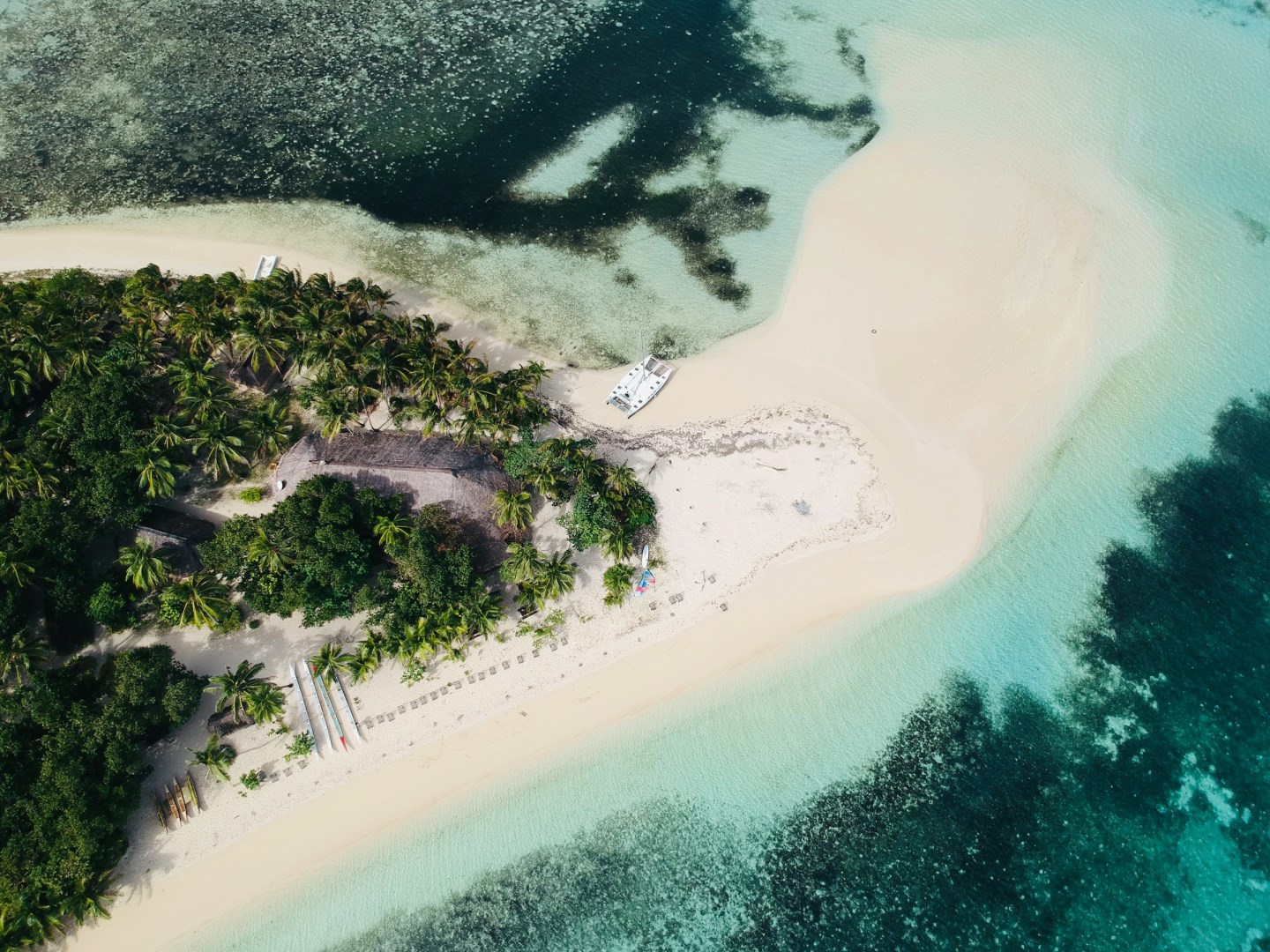
Leleuvia Island
Leleuvia Island is a small island in Fiji’s Lomaiviti group, located off the eastern coast of Viti Levu between Bau, Moturiki and Ovalau.
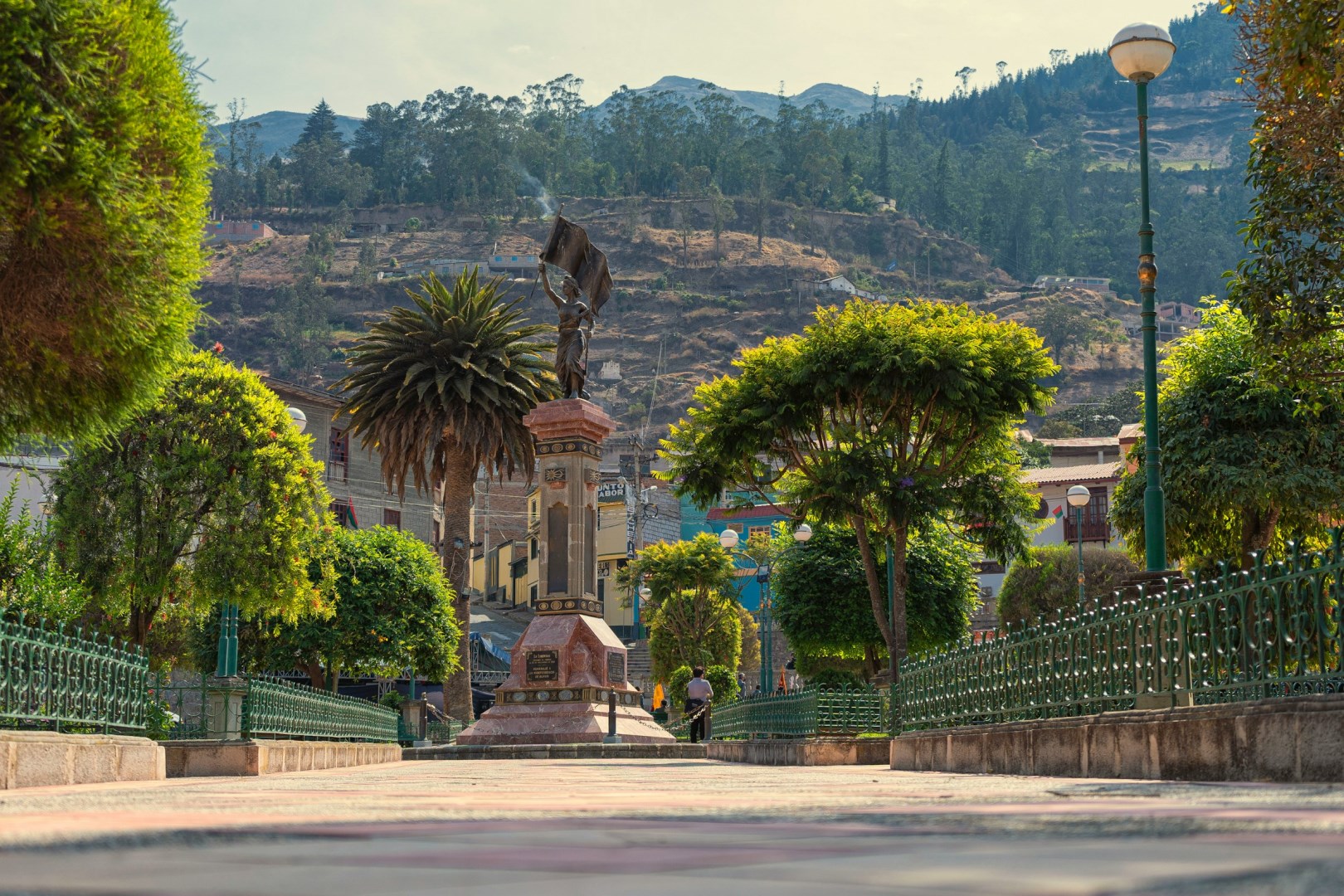
Riobamba
Located roughly in the center of the country, Riobamba is one of Ecuador's largest cities and the starting point of the scenic train ride to Nariz del Diablo (Devil's Nose). The city has a strong indigenous presence, which lends itself well to the open-air artisan market, and plenty of opportunities for mountainous activities such as hiking and mountain biking.
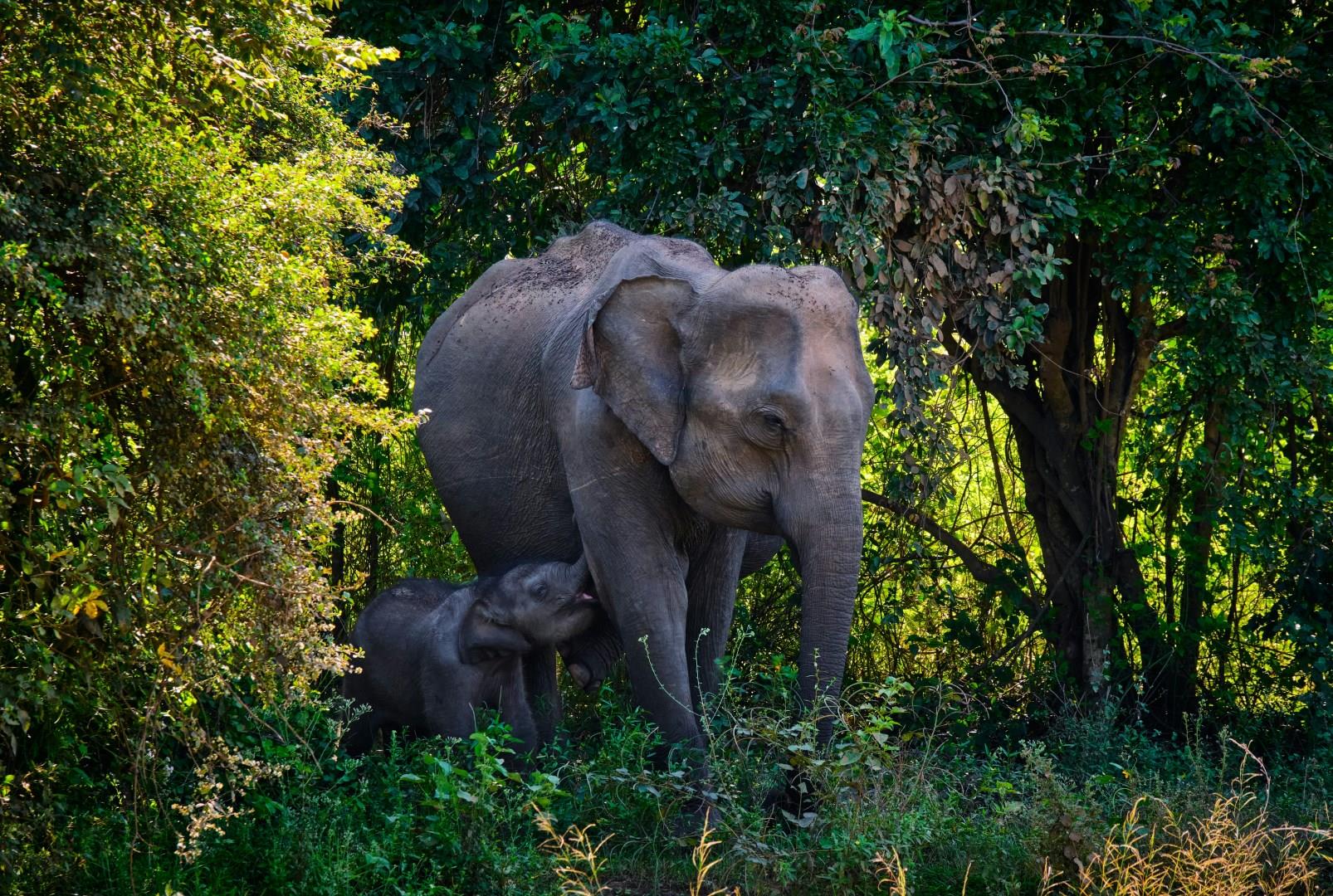
Udawalawe National Park
Udawalawe National Park, located in southern Sri Lanka, is one of the country’s best places to see wild elephants in their natural environment. Established in 1972, the park protects an important watershed area around the Udawalawe Reservoir and provides a sanctuary for hundreds of elephants, which can often be seen roaming in herds across the open grasslands.
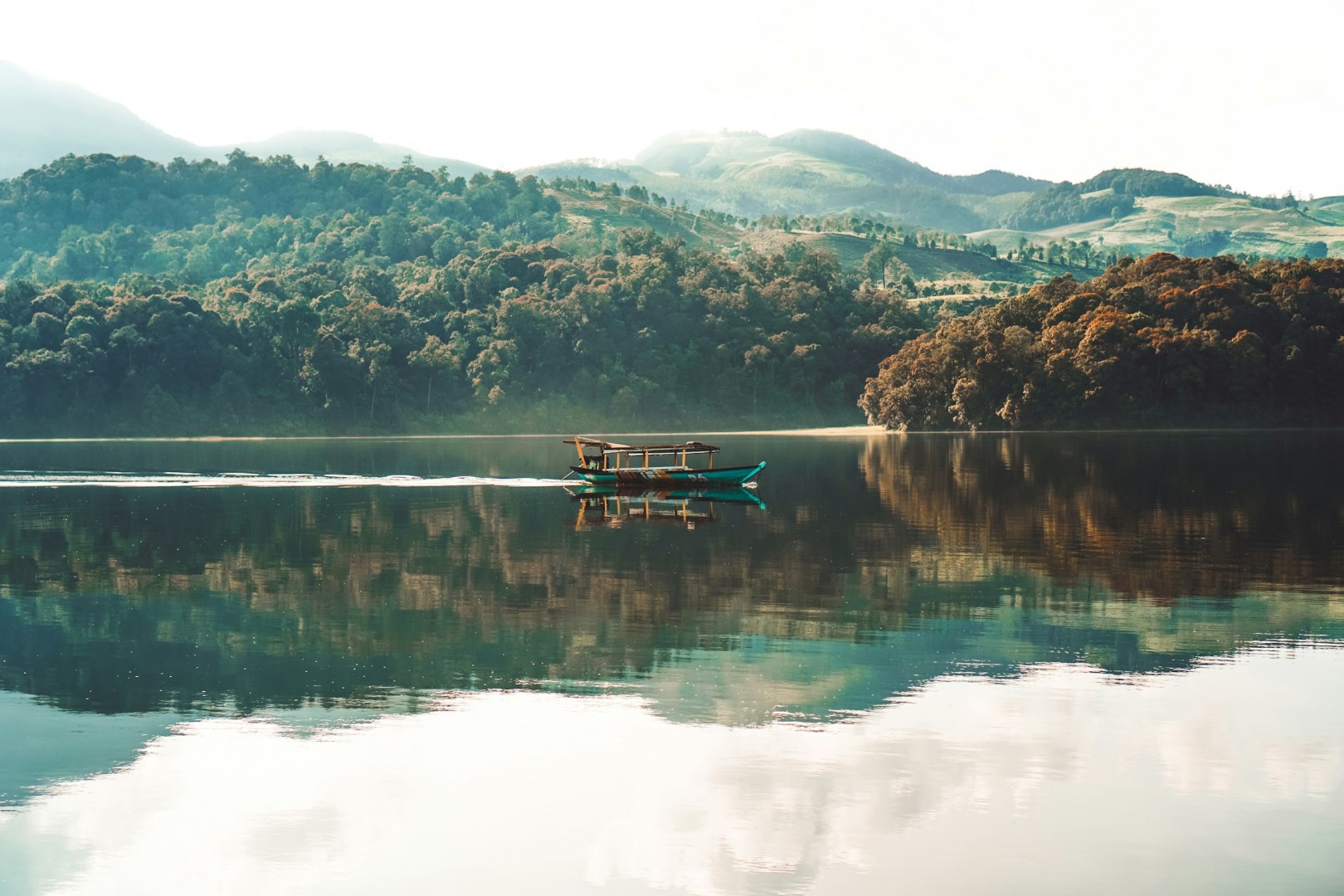
Bandung
Southeast of Jakarta in western Java, the city is a commercial center and a popular resort area with a moderate climate.

Caye Caulker
Caye Caulker lies off the coast of Belize, a small island that was once a quiet fishing village and today still feels wonderfully uncrowded compared to many Caribbean destinations. Its name likely comes from an English twist on “Hicaco,” the old Spanish name meaning coco plum, a nod to the island’s early days and bilingual roots.