Access exclusive travel deals, industry leading news, and dynamic destination content.
The world of travel is constantly evolving, so let us do the work for you! We'll send you occasional emails to ensure you're up to date on all things travel and to make booking your next trip a breeze. Your email address comes to only us and you can unsubscribe at any time.
Sign Me Up
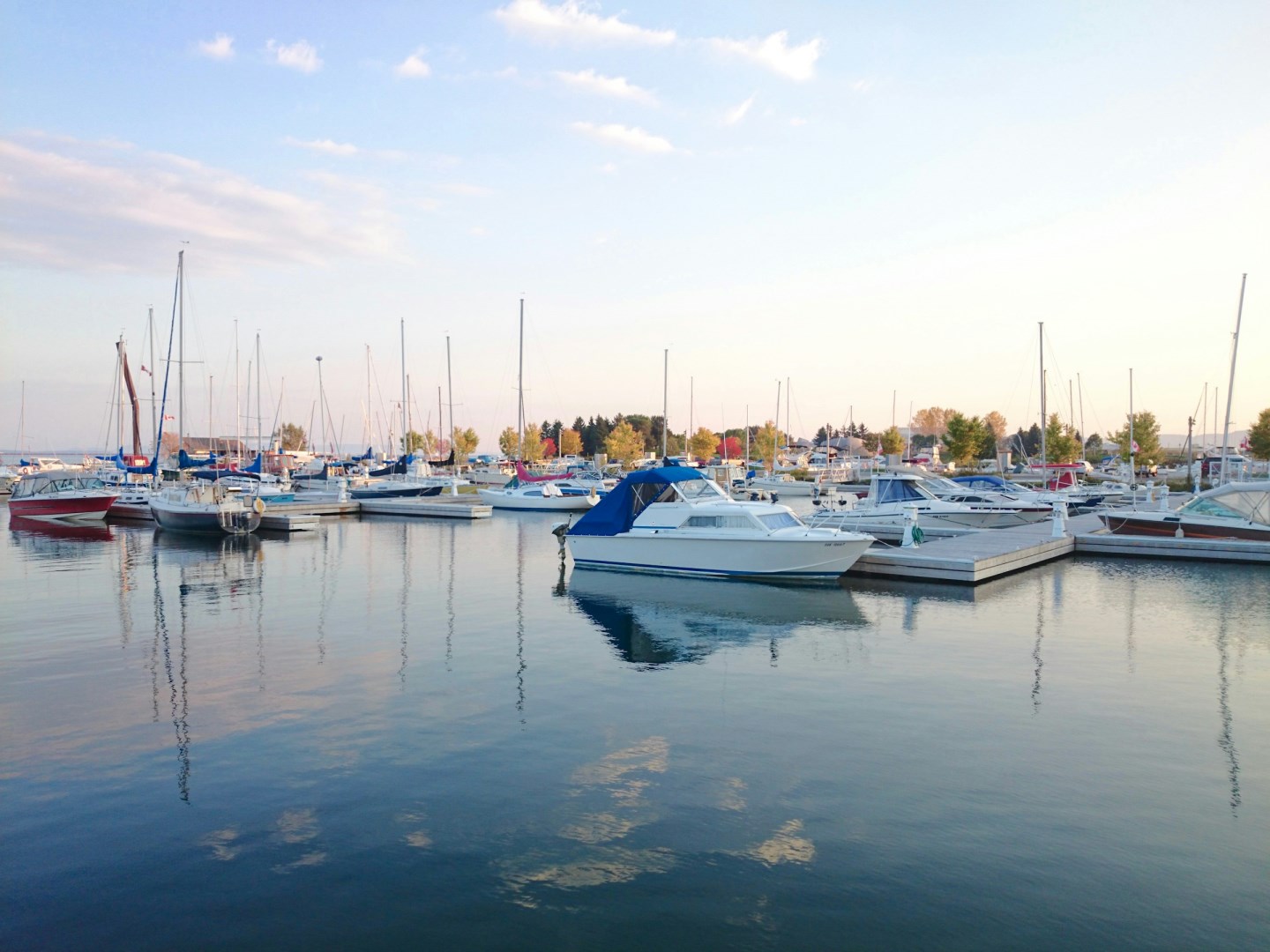
Thunder Bay
Thunder Bay is a city on the northwestern shore of Lake Superior, where the Kaministiquia River reaches one of the world's largest freshwater lakes. Surrounded by forests, rocky hills, and broad water views, it serves as a regional centre for transportation, education, industry, and services across Northwestern Ontario.

Acapulco
Acapulco is world-renowned for its glitz, glamour and luxury. With a reputation as a haven for the rich and famous, Acapulco has everything a traveller could hope for. No matter how much time you have, you won't have enough for Acapulco.
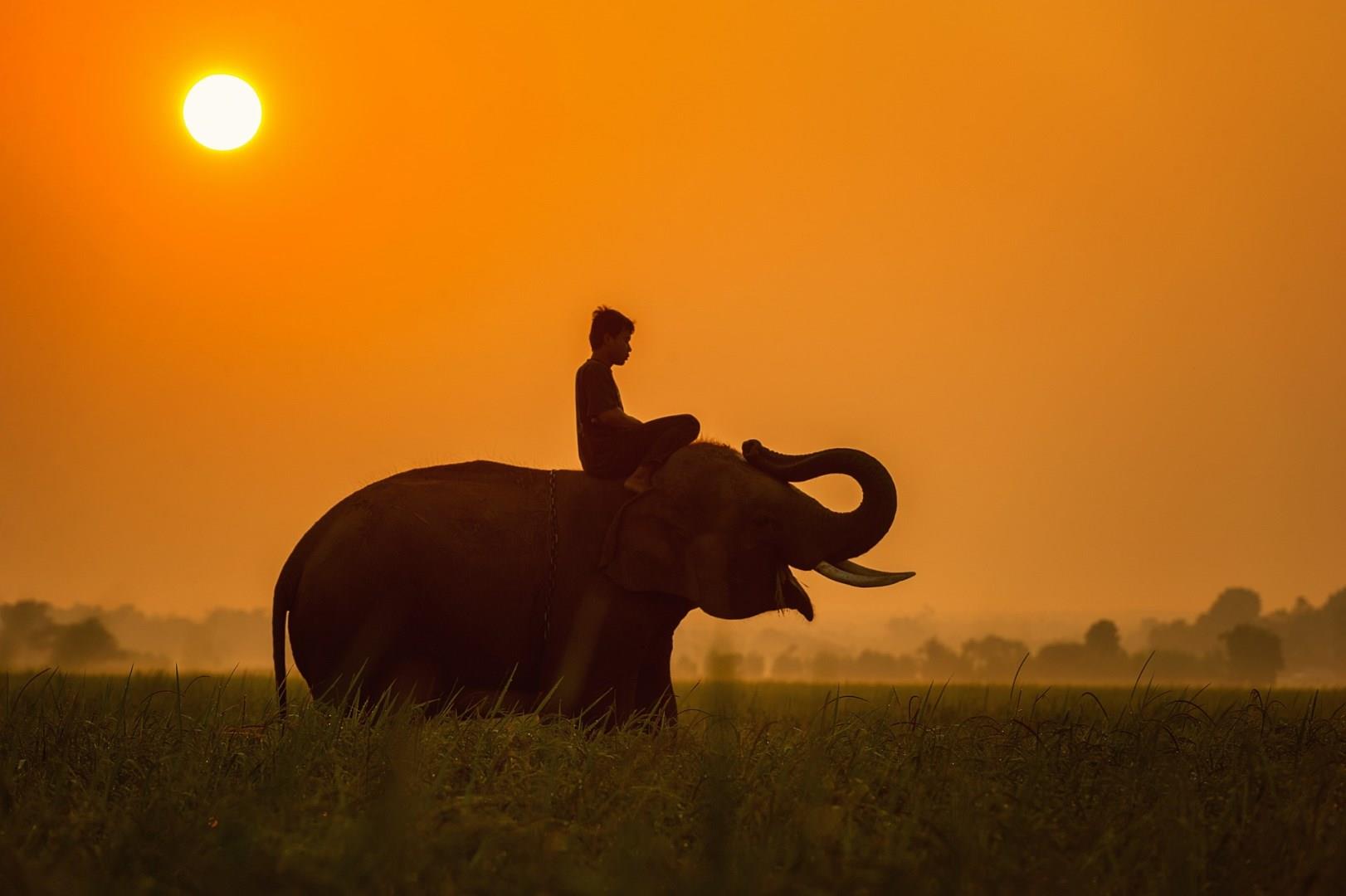
Cambodia
Cambodia, located in Southeast Asia, is a country known for its rich history, ancient temples, and vibrant culture. The landscape is diverse, with the Mekong River flowing through fertile plains, lush forests, and scenic highlands.
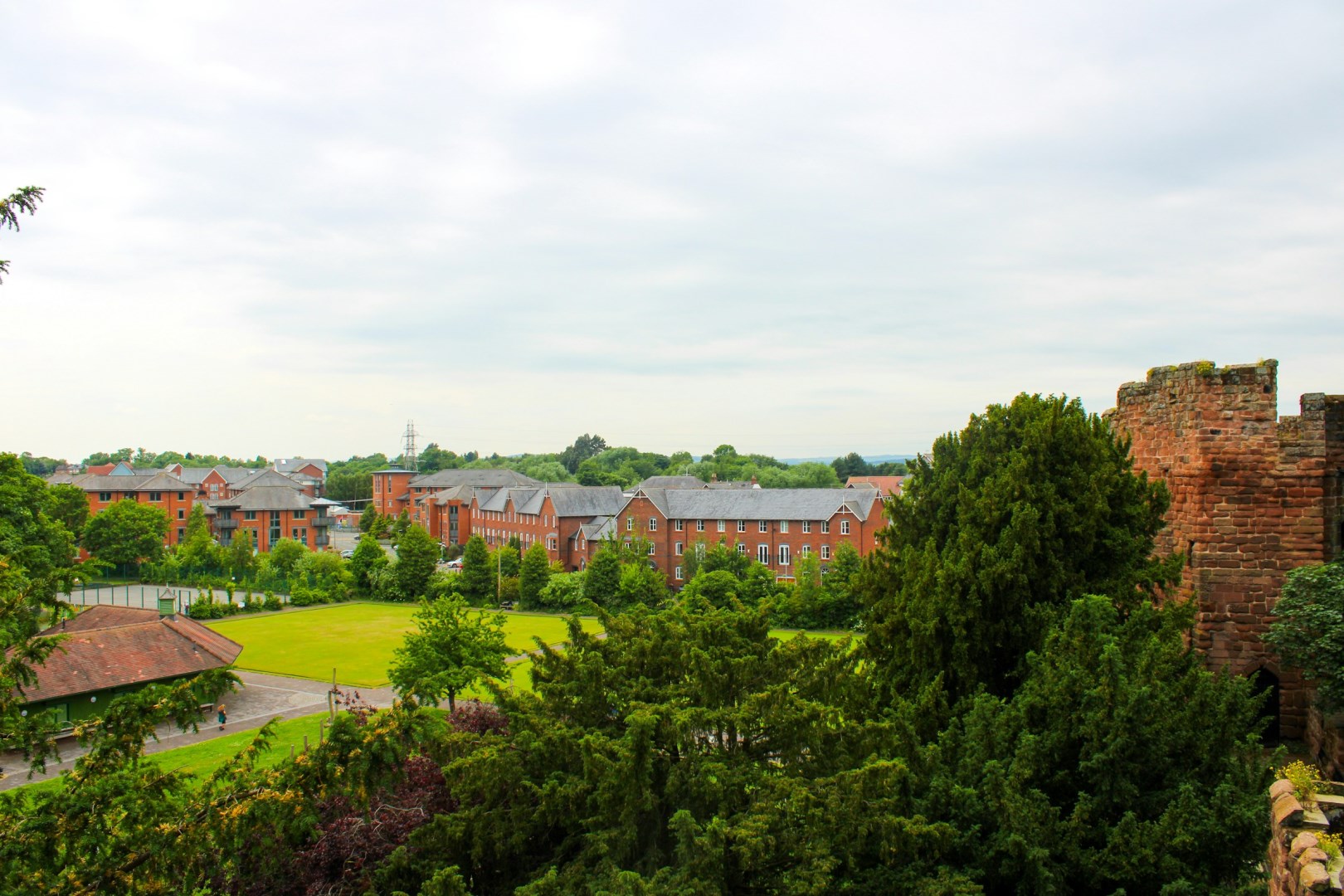
Chester
One of the few fully walled cities from Roman times, this city is located south of Liverpool. Interesting shops in the town center are on the second level.
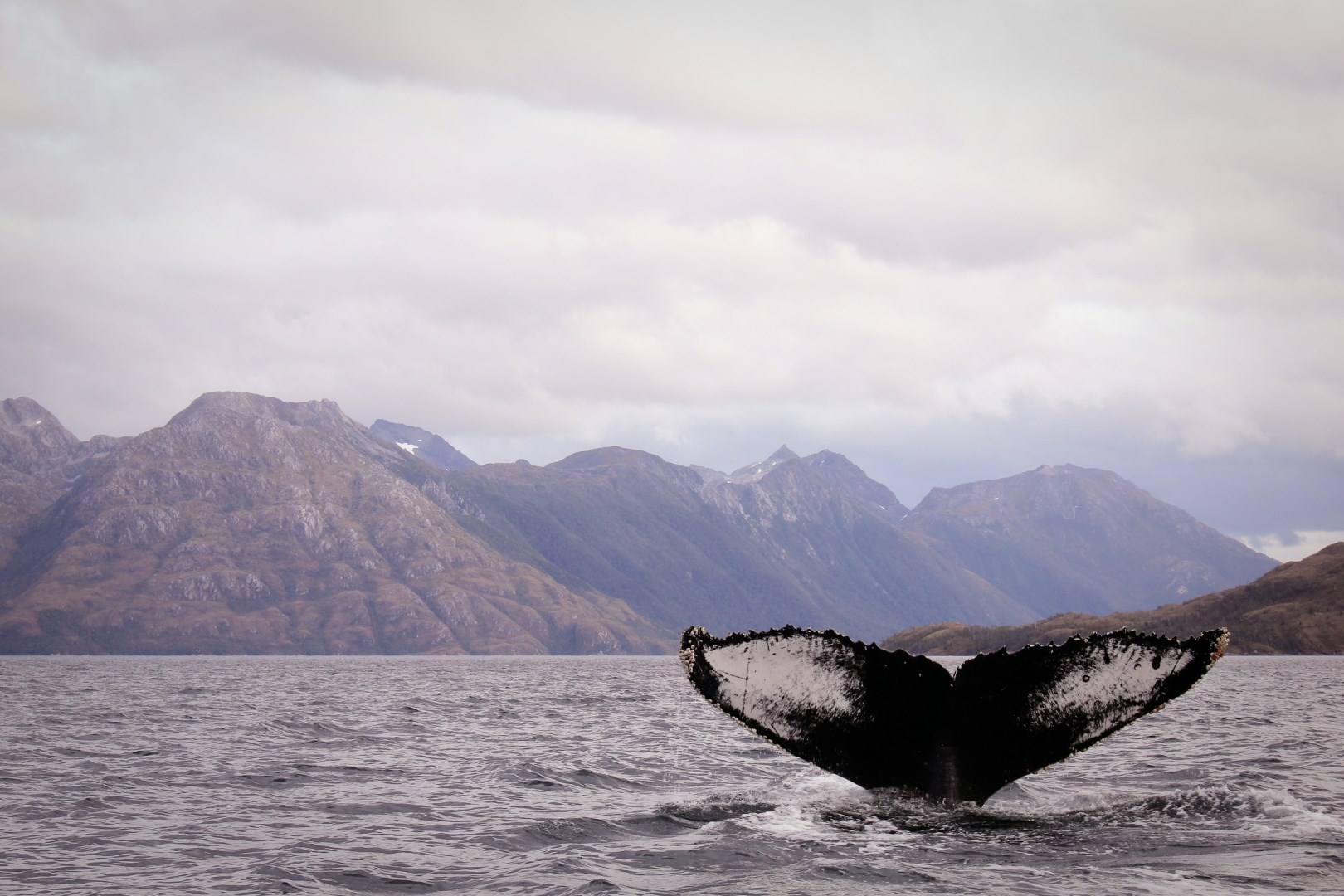
Strait of Magellan
The Strait of Magellan, a pivotal waterway connecting the Atlantic and Pacific Oceans, offers an extraordinary experience for travelers seeking both natural wonder and historical significance. This legendary strait, named after the Portuguese explorer Ferdinand Magellan who navigated it in 1520, is a gateway to the rugged beauty of southern Chile.

Puno
Situated on the shore of Lake Titicaca, Puno is referred to as the folkloric capital of Peru due to its artistic and cultural expressions, particularly dance. Notable landmarks include the Andean baroque-style Puno Cathedral and the Yavari, a 19th-century steamship. Products created from alpaca, llama, or sheep wool are a signature of the area, as well as musical instruments like the siku.