
Dominica, known as the “Nature Island of the Caribbean,” is a haven for eco-tourists and adventure seekers. Nestled between the French islands of Guadeloupe and Martinique, this lush island boasts a remarkable landscape of volcanic mountains, dense rainforests, and stunning waterfalls. Dominica’s most iconic natural wonder is the Boiling Lake, the second-largest hot spring in the world.
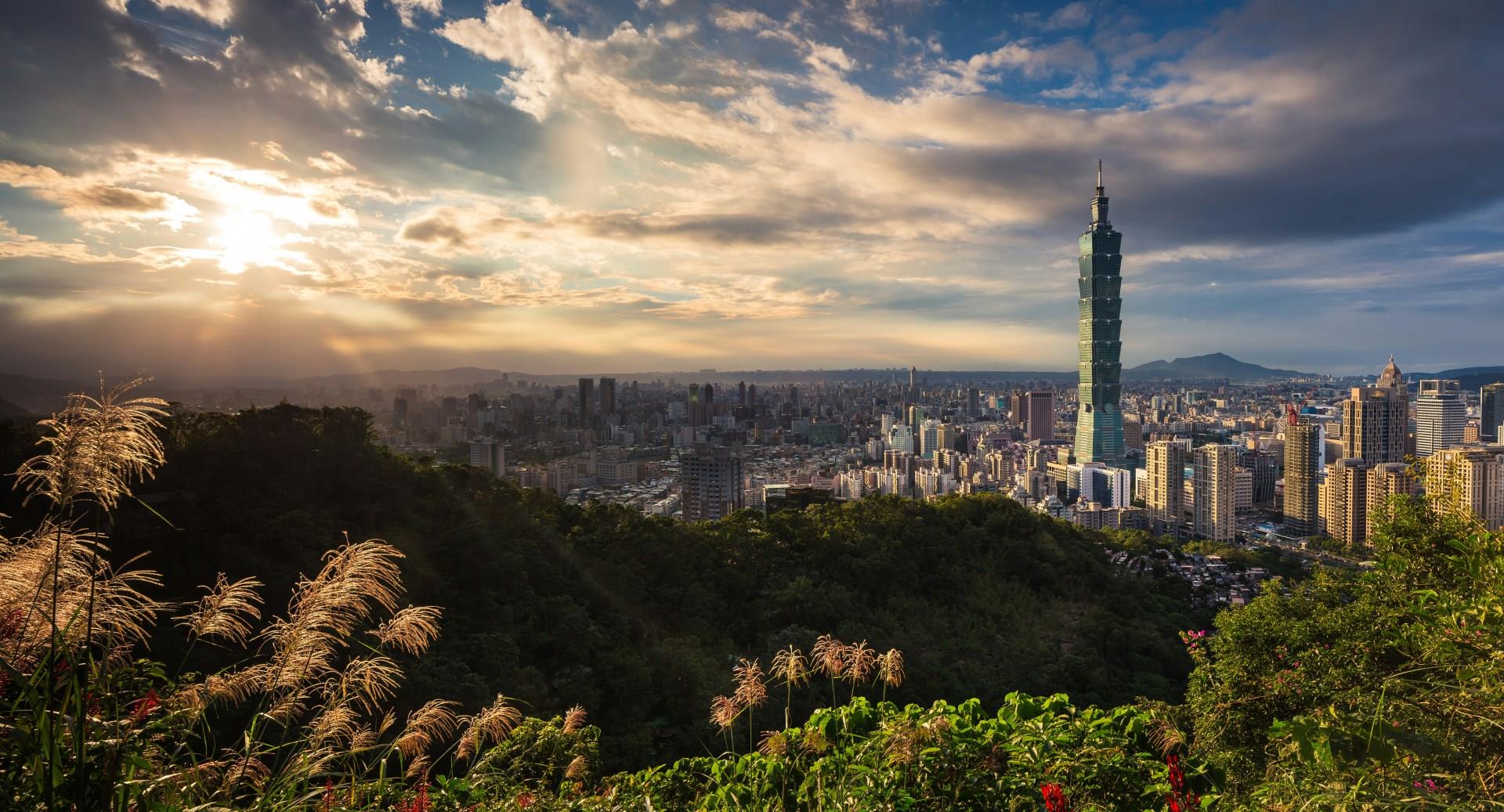
Taipei, the vibrant capital of Taiwan, is a city where tradition and modernity coexist. Visitors can explore historic temples such as Longshan Temple, discover cultural treasures at the National Palace Museum, and admire the cityscape from Taipei 101, one of the world’s tallest skyscrapers.
South Dakota, known for its striking contrasts, from sacred Indigenous landmarks to dramatic prairie landscapes, offers travelers a rare chance to experience stories etched in both stone and living tradition. Mount Rushmore may be the most photographed site, but just 17 miles away, the Crazy Horse Memorial tells a deeper story. In the west, the Black Hills are full of geological surprises and sacred sites. Custer State Park offers scenic drives where herds of bison often stop traffic.
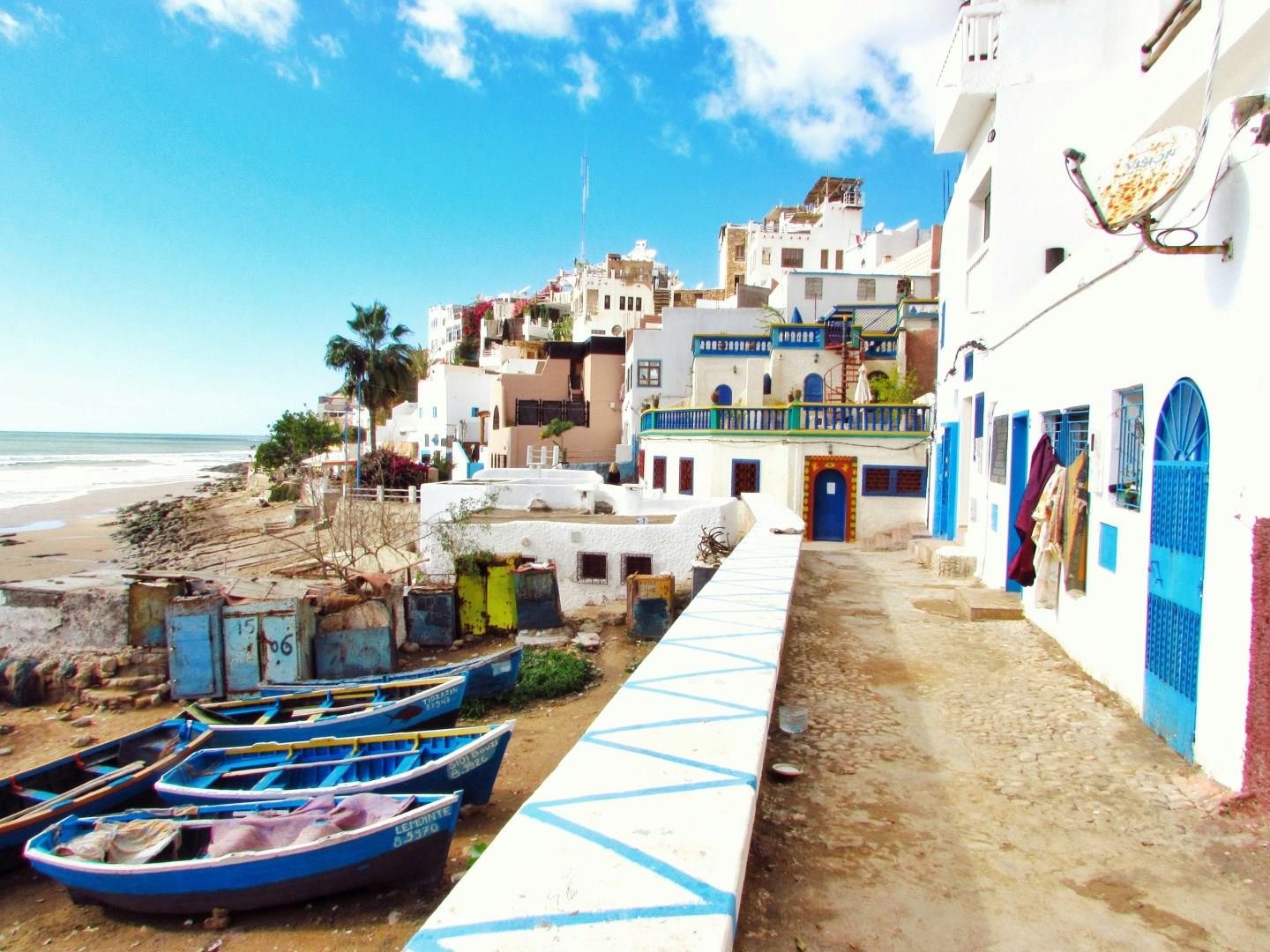
Taghazout is a small coastal village on Morocco’s Atlantic shore, once a quiet fishing settlement that has grown into a global surf destination without fully shedding its roots.
Český Krumlov, a picturesque city in the Czech Republic, is a treasure trove of medieval charm and architectural splendor. Nestled in the South Bohemian Region, this UNESCO World Heritage Site is renowned for its stunning Český Krumlov Castle, which towers over the city and offers panoramic views of the winding Vltava River and the old town's red-tiled rooftops.
Motril, Spain, is located near the Guadalfeo River on the Mediterranean coast in the province of Granada. Sugar cane refineries form the backbone of Motril's economy, though tourism is also an essential industry.
Begin in Quebec City, where centuries-old architecture sets the tone for our voyage through North America's coastal treasures. Sail to the scenic Saguenay Fjord at La Baie, then on to Charlottetown's enchanting and colourful coastline. On Cape Breton Island, Sydney invites us to its Celtic spirit, then Halifax dazzles with its lively waterfronts. Cross into the U.S. for a memorable first-time arrival in the elegant town of Newport before reaching the electric energy and iconic landmarks of New York City.
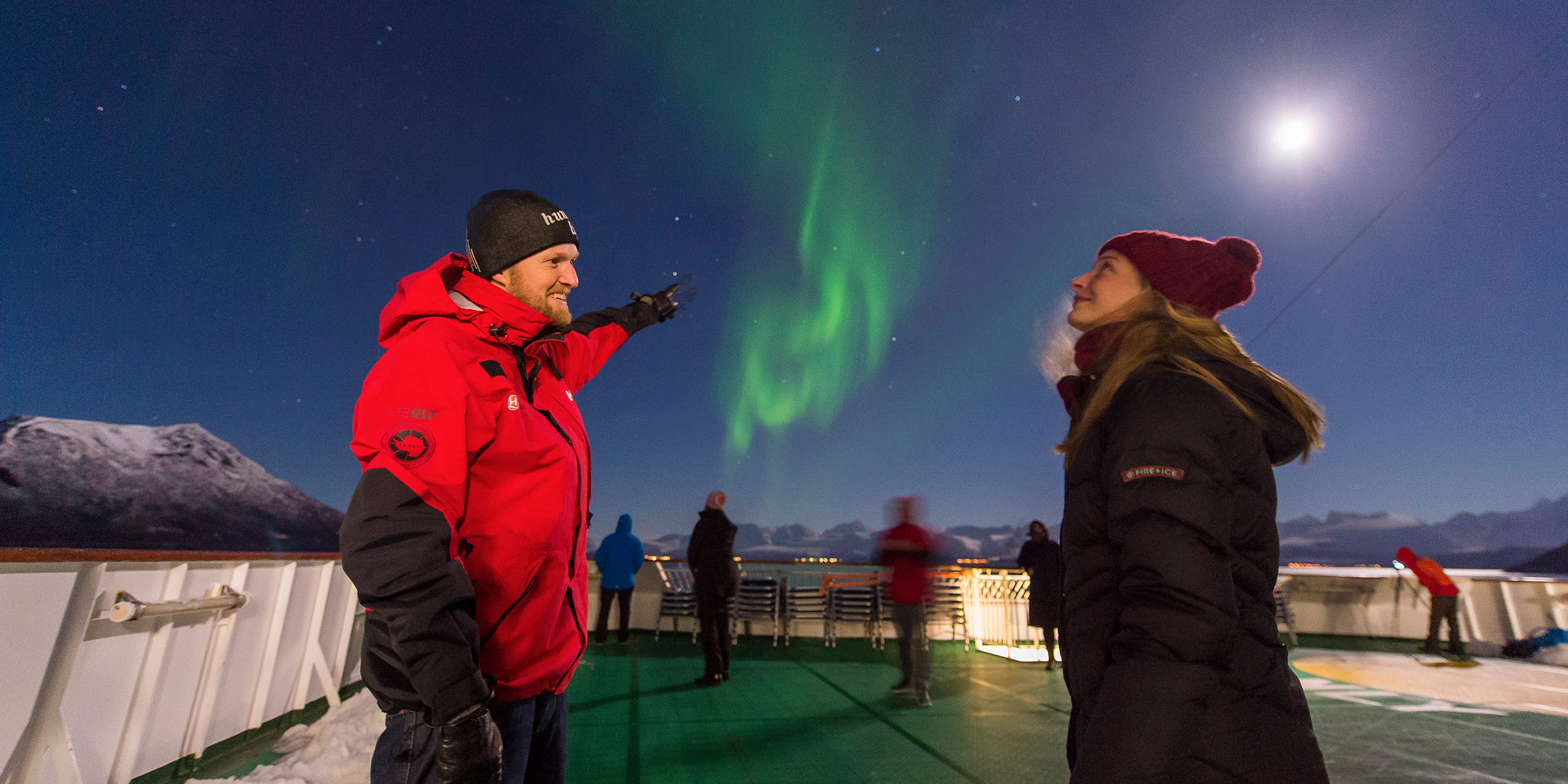
For those who have your heart set on witnessing the swirling glow of the aurora borealis, we make you a promise no one can match. If the Northern Lights do not occur within sight of your ship during your voyage, we will give you a 6-day southbound or 7-day northbound Coastal Express voyage FREE OF CHARGE*.
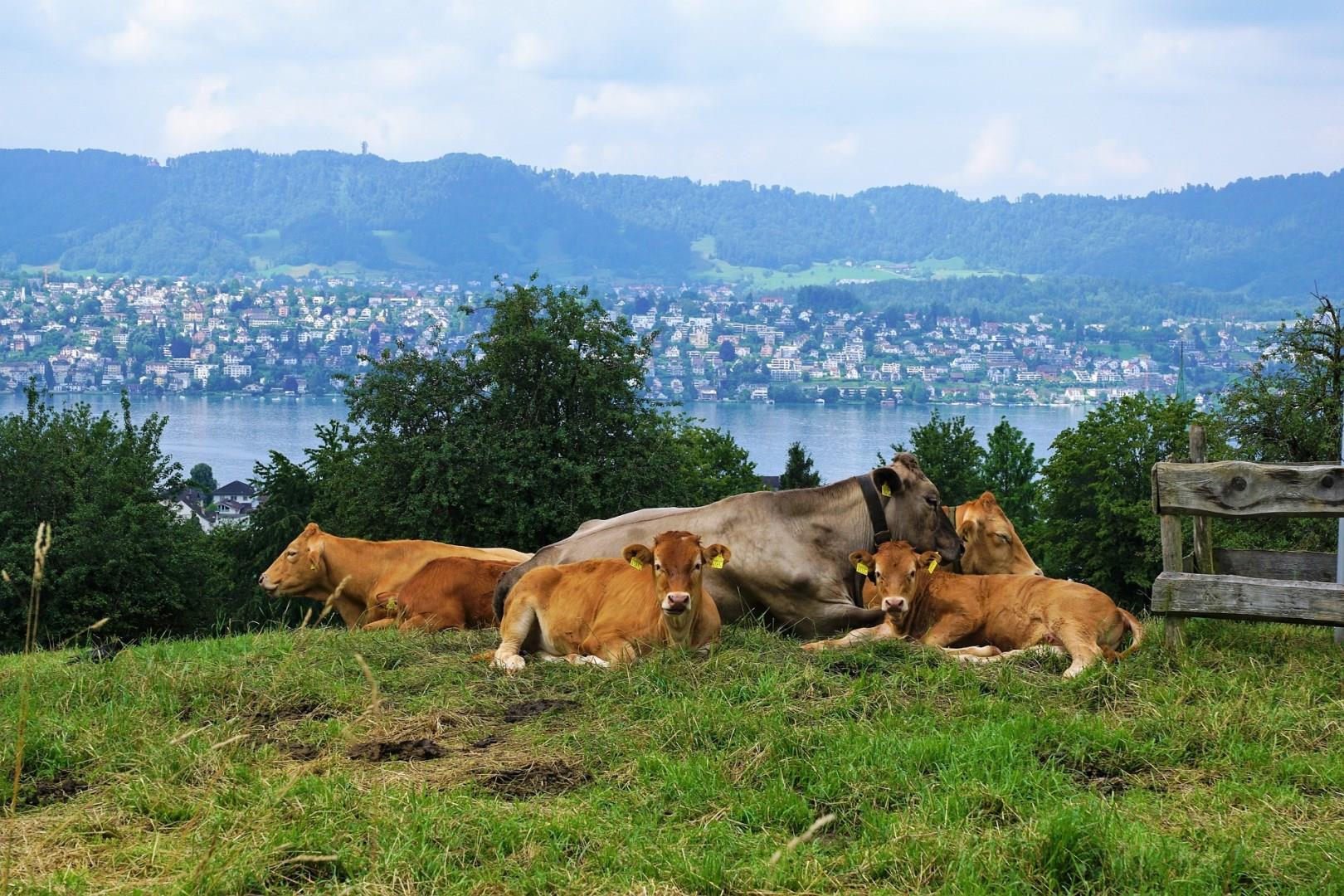
Switzerland's daily life appears to be full of contradictions: the old and the new, natural beauty and industrial production, neutrality and international frankness. These sharp contrasts go hand in hand, and this unity is the real reason that this small country in the heart of Europe has developed into such an important communication and trading partner in the world today. It is Switzerland's contrasts - its diversity which attracts both the businessman and the tourist alike.
Lofty alpine landscapes, splendid ski-fields and crystal clear mountain lakes contrast with the Mediterranean ambience of the south; an internationalism that is well and truly practiced, the fascinating heritage and rich traditions of a remarkable people, the patrician old world standing proudly side-by-side a modernity that is quite avant-garde.Switzerland is so much more than the innate pragmatism of such superior inventions as banking, life insurance and timeless timekeeping would
suggest. After all, the same practical minds concocted the world's most delectable chocolate.
In an effort to protect its traditional rights and foster a national identity, Switzerland established a democracy, nearly seven hundred years ago. Today, this tiny land-locked country has the world's oldest democracy and its mechanisms have become a blueprint for the free world.
The constitutionally authoritative network of 24 cantons is further divided into self-administrative regions known as communes. The whole seemingly complex system actually translates into a working democratic tradition in its purest form - government by the people for the people. Neutrality - declared as a means of self-preservation in the 16th century - may be the foundation of the Swiss politic and an unequivocal stance that has prompted many worldwide humanitarian organisations to base themselves there, but multi-culturalism is the way of life. This is revealed in an enormous, dynamic diversity within Swiss borders in part due to the regionalisation and their respective traditions, customs and festivals and to the predominance of three strong cultures - German, French and Italian. The delightful characteristics of each permeated the individual villages, cities and towns of each canton creating a unique national culture. There are four national languages: Swiss-German, French, Italian and the rare Romansch whilst over 700 dialects add even more colour to the mix.
No matter where the location from rustic villages high in the snow-capped Alps, to the majestic shores of picture perfect lakes, the pure mountain air and fresh vistas of the Jura, bustling Zurich and rarefied Geneva, the warmest of welcomes awaits. Swiss hospitality is legendary.