Access exclusive travel deals, industry leading news, and dynamic destination content.
The world of travel is constantly evolving, so let us do the work for you! We'll send you occasional emails to ensure you're up to date on all things travel and to make booking your next trip a breeze. Your email address comes to only us and you can unsubscribe at any time.
Sign Me Up

Oaxaca
Oaxaca, nestled in the heart of southern Mexico, is a city where ancient traditions and vibrant culture thrive. Renowned for its rich history and indigenous heritage, Oaxaca offers a unique blend of pre-Columbian, colonial, and modern influences. The city's historic center, a UNESCO World Heritage site, is a testament to its past, featuring stunning colonial architecture such as the Santo Domingo de Guzmán Church, a masterpiece of Baroque art.
Ludwigshafen
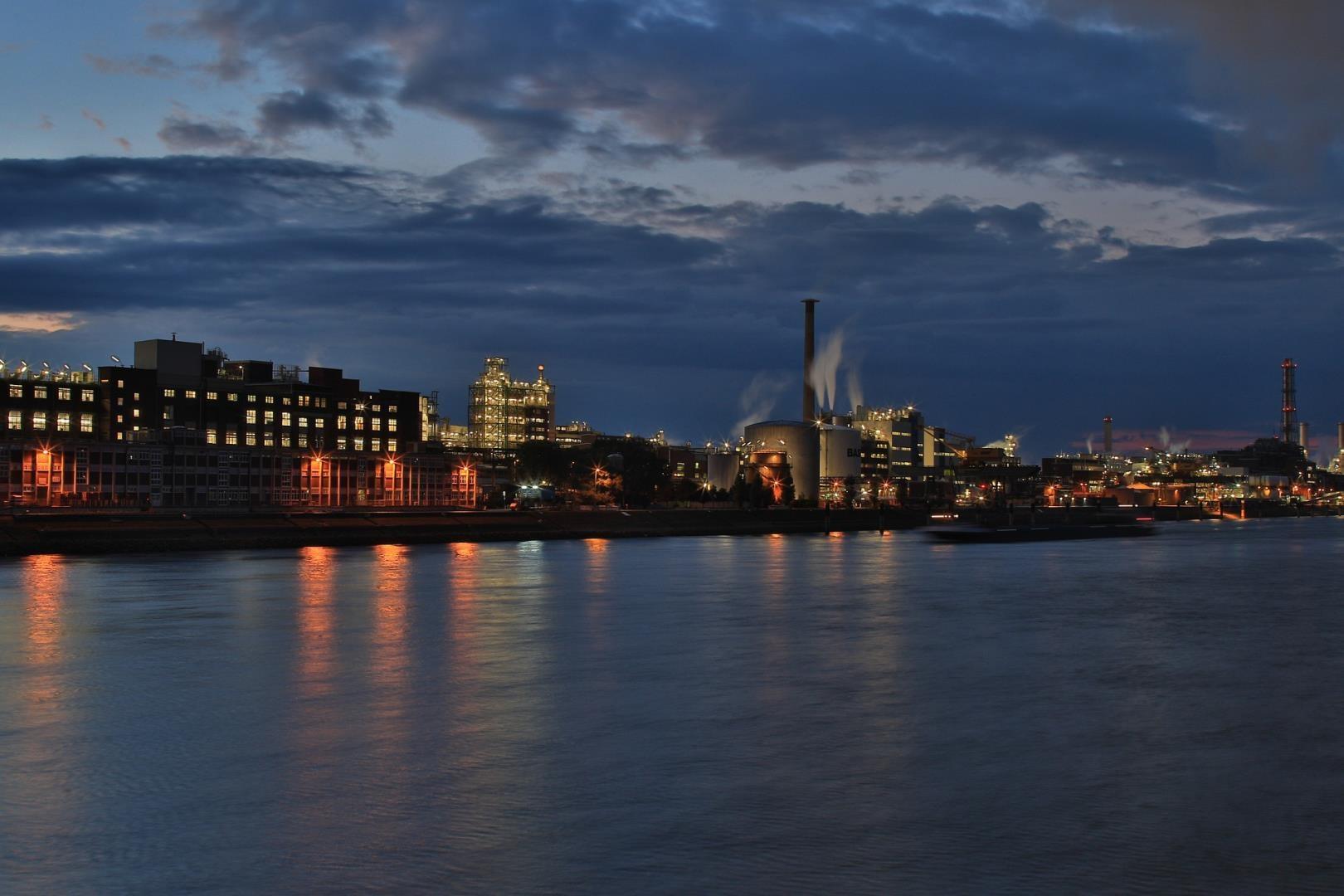
Ludwigshafen am Rhein is an industrial city in southwestern Germany, located on the western bank of the Rhine River opposite Mannheim.
Cox's Bazar
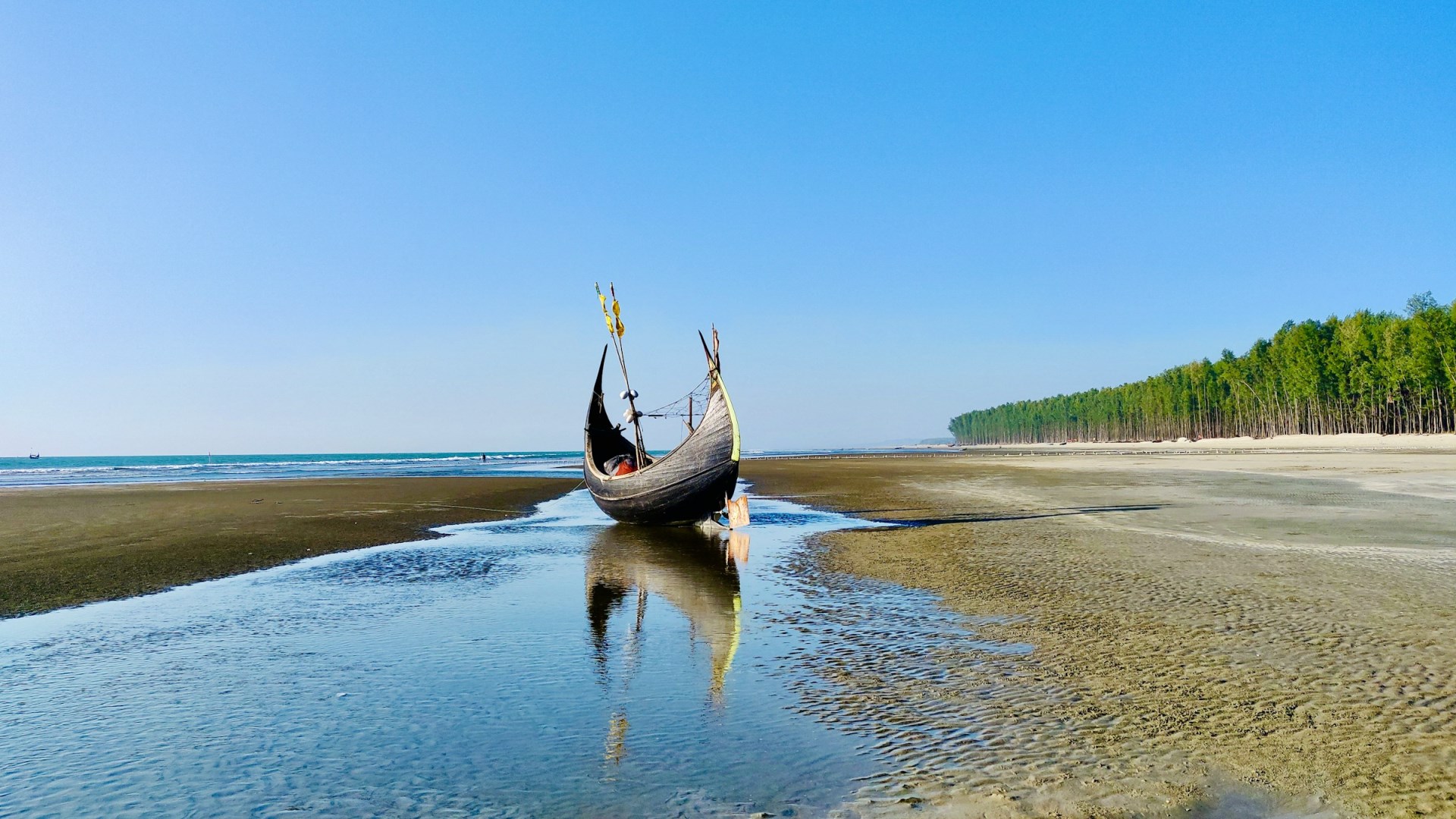
Cox’s Bazar is a coastal city in southeastern Bangladesh, known for its exceptionally long stretch of natural sandy shoreline along the Bay of Bengal. The city functions as a fishing port, tourism center, and regional commercial hub, with the beach extending through a series of coastal communities. Its setting combines open sea, sandy flats, low hills, and nearby forests, while fishing boats and seafood markets remain part of everyday life. The coastline is the main focus of the city, supporting
Lake Placid
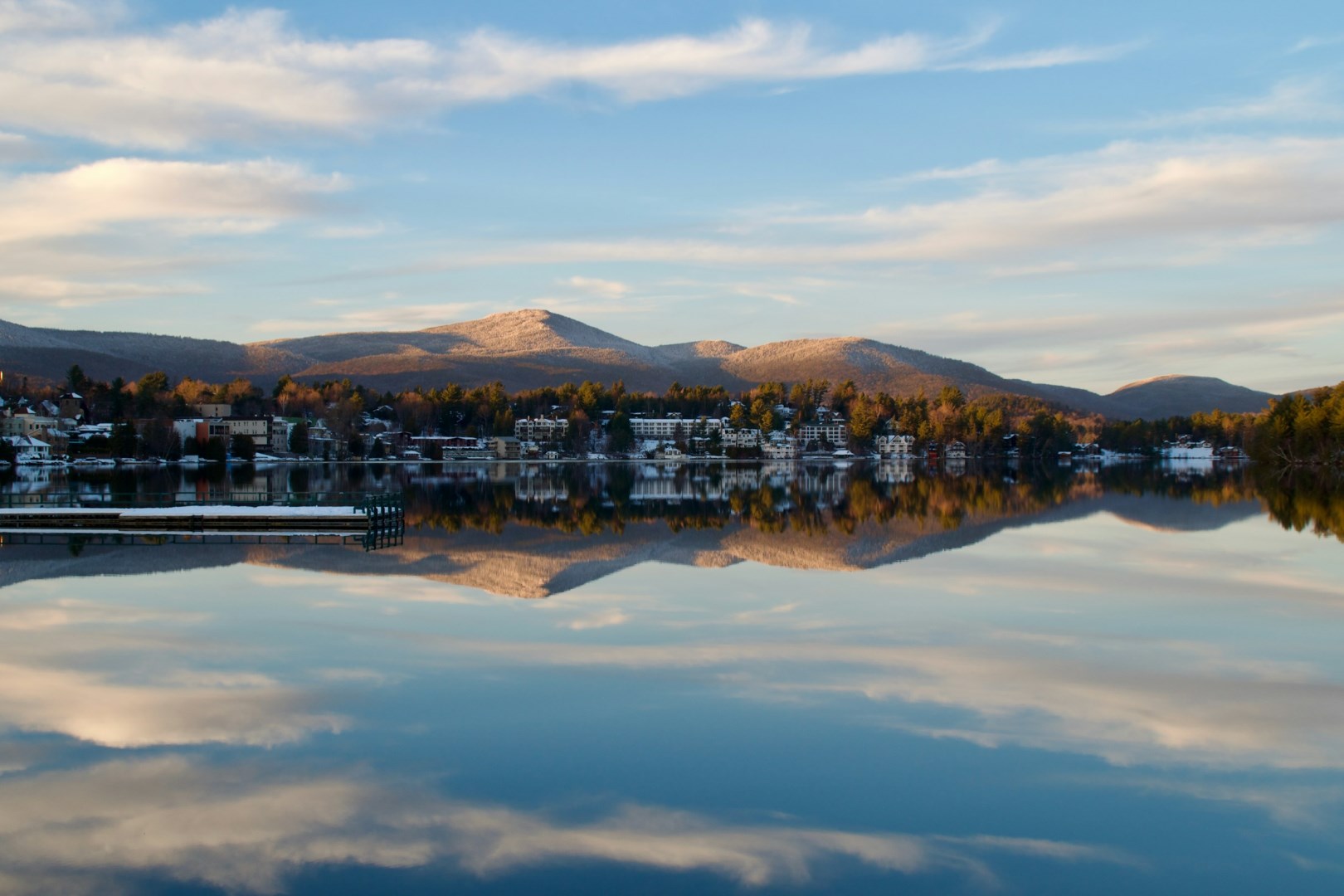
Lake Placid is a village in the Adirondack Mountains of northern New York, set beside Mirror Lake and close to the larger Lake Placid. Surrounded by forested mountains, the community has a compact centre with shops, restaurants, galleries, and lodging along Main Street. The area is part of the Adirondack Park, a vast protected landscape of forests, lakes, rivers, and mountains.
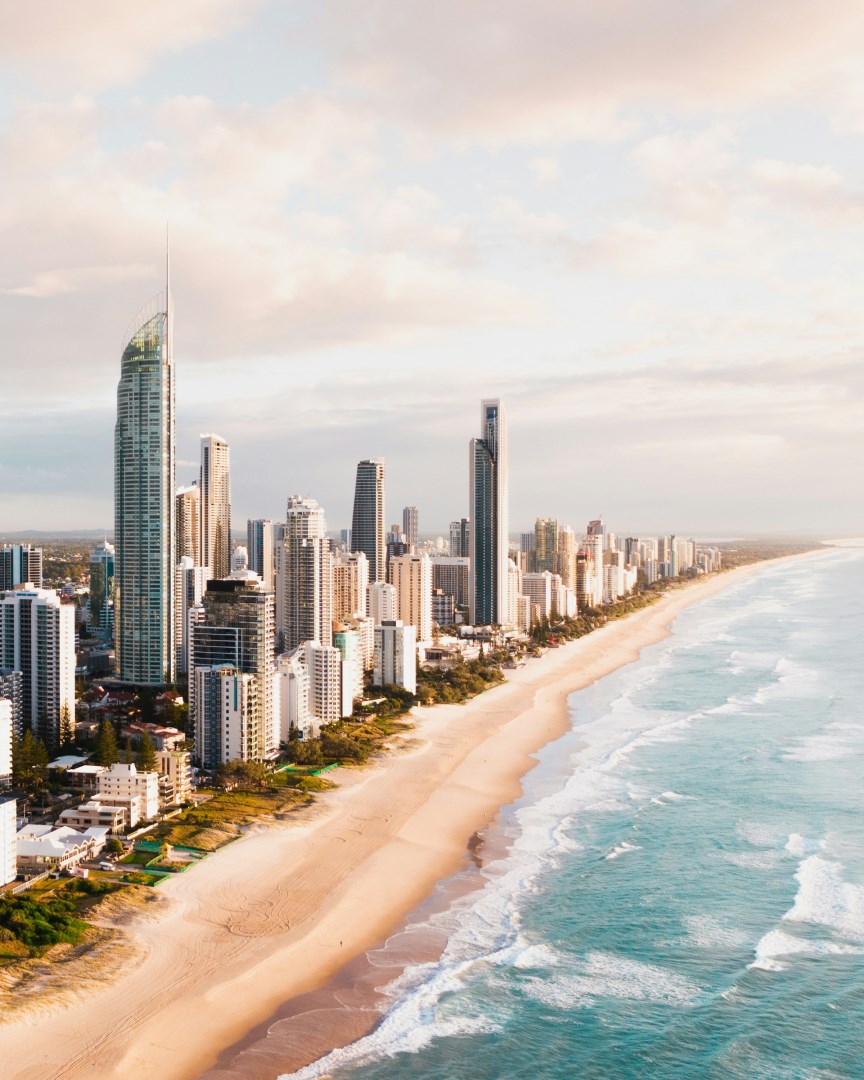
Surfers Paradise
Surfers Paradise is located along the Gold Coast. The 300 days of sunshine throughout the year make it perfect for enjoying the beach. Golfing, wildlife parks and theme parks are just a few of the many things to do.

Perito Moreno Glacier
Perito Moreno Glacier is one of the most recognizable ice formations in Argentina, located within Los Glaciares National Park in Santa Cruz Province. The glacier extends into the southern arm of Lago Argentino and is notable for its broad ice front, which can be viewed from a network of walkways and observation platforms. Its proximity to El Calafate makes it one of the more accessible major glaciers in Patagonia.