Access exclusive travel deals, industry leading news, and dynamic destination content.
The world of travel is constantly evolving, so let us do the work for you! We'll send you occasional emails to ensure you're up to date on all things travel and to make booking your next trip a breeze. Your email address comes to only us and you can unsubscribe at any time.
Sign Me Up
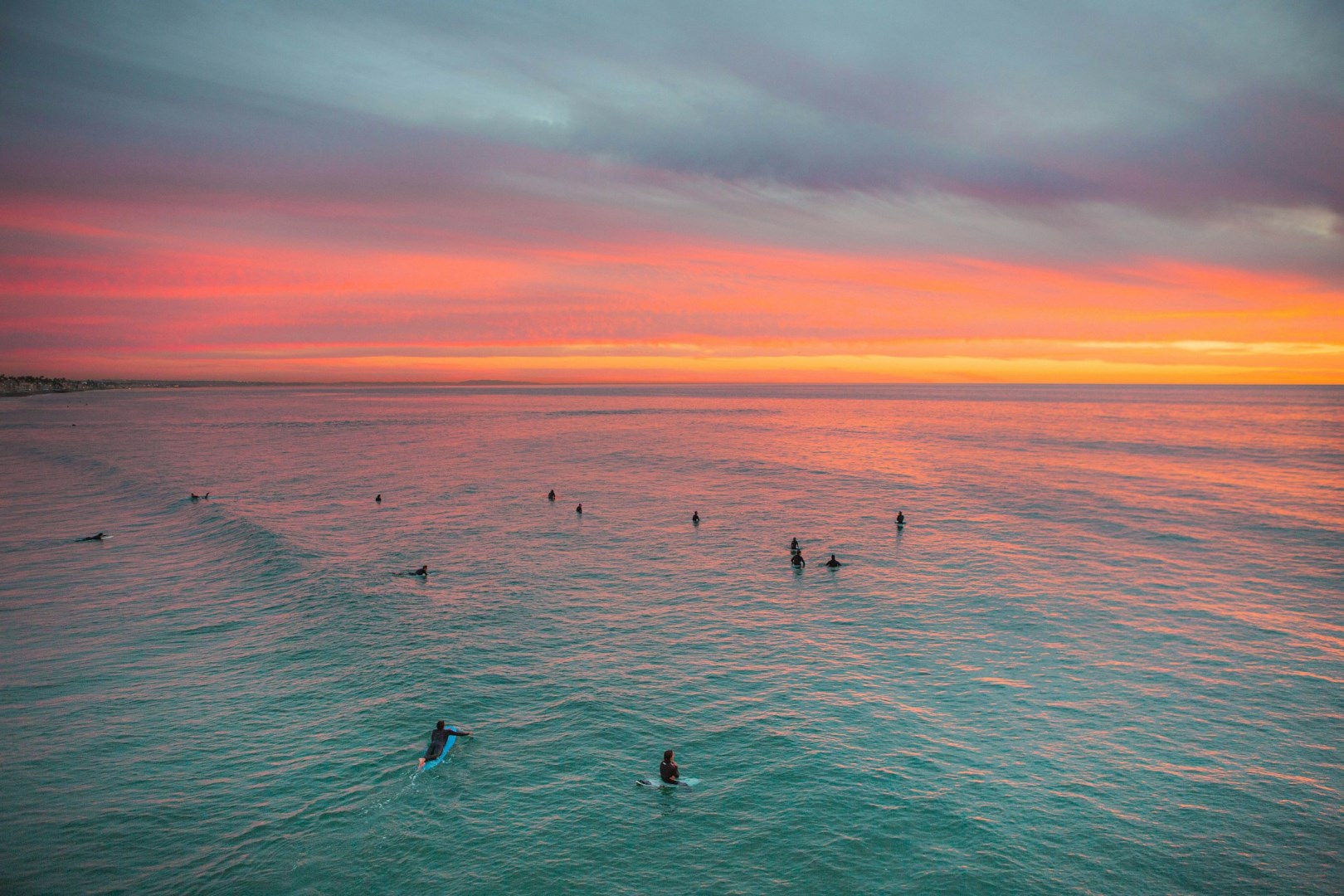
Oceanside
Oceanside is a coastal city in Southern California, located in San Diego County where the Pacific Ocean meets the northern edge of the county. Its waterfront is centered on a long sandy beach, a historic wooden pier, and a working harbor, while neighborhoods extend inland toward the foothills. Oceanside has a distinctly maritime setting, with beaches and harbor facilities alongside a compact downtown containing restaurants, galleries, shops, and cultural venues.
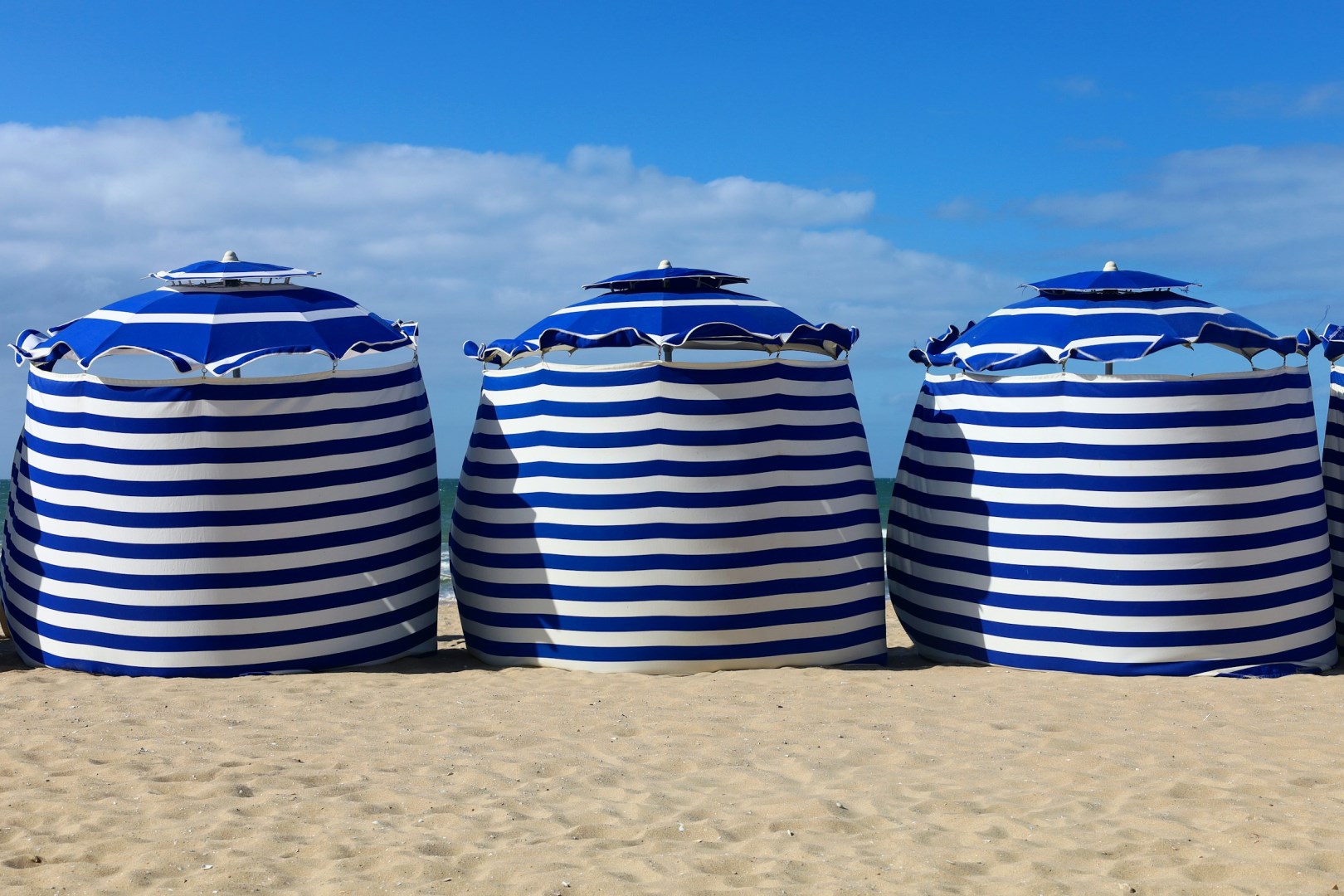
Cabourg
Cabourg is a seaside resort on the Côte Fleurie in Normandy, set where the River Dives reaches the English Channel. Its long sandy beach, broad promenade, and orderly streets give the town a distinctive coastal character, while Belle Époque villas and landscaped gardens reflect its development as a fashionable resort. The central Grand Hôtel stands beside the beach and casino, forming one of Cabourg's most recognisable landmarks.
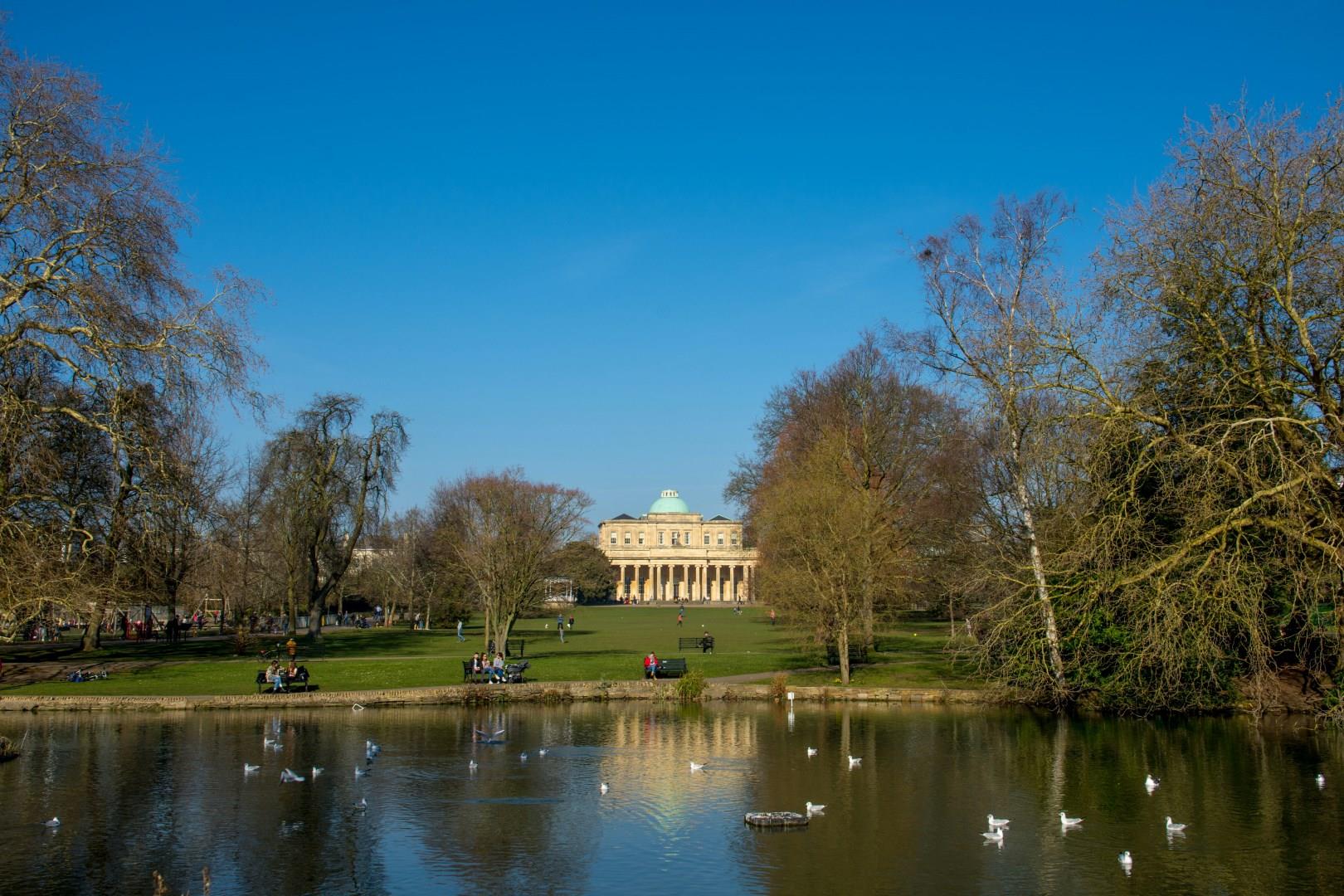
Cheltenham
Cheltenham is a Regency-era spa town in Gloucestershire known for its elegant streets, welcoming squares and an inviting pace of life that has drawn visitors since the 1700s. The town pulses with festivals through the year, giving travelers reason to return again and again. Cheltenham Literature Festival, the longest-running festival of its kind in the world, brings writers and readers together each autumn for talks, readings and book signings that span many genres.
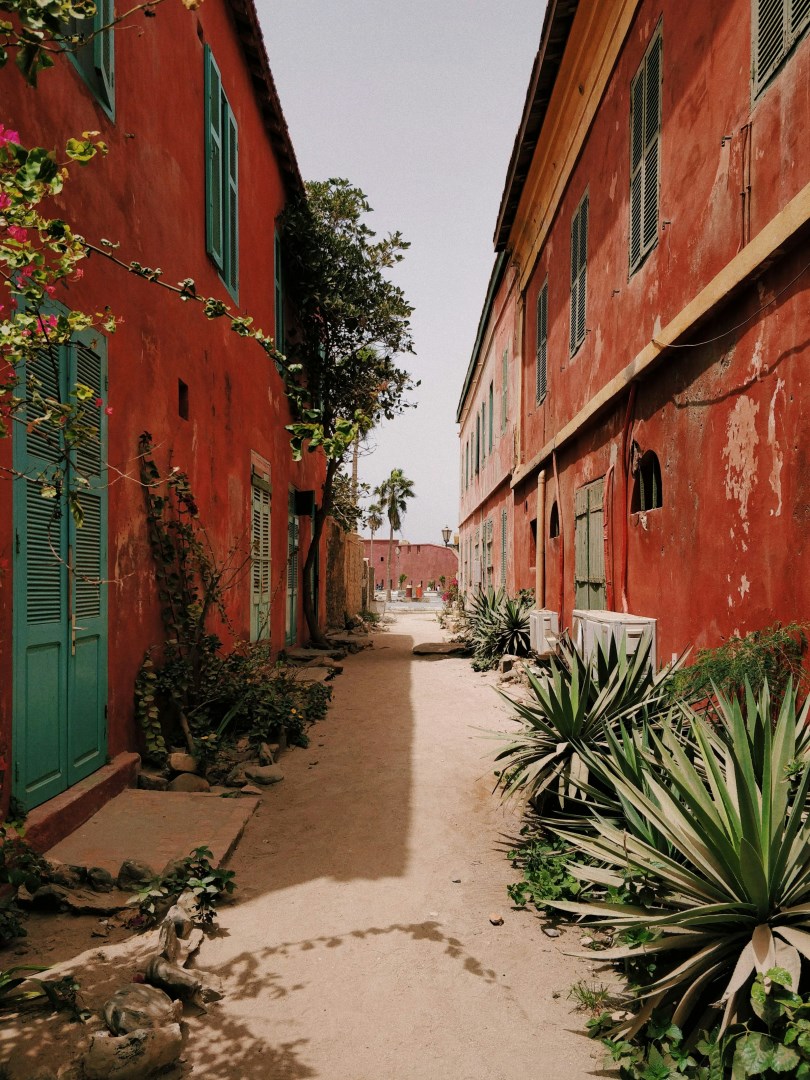
Gorée
Gorée is a small island off the coast of Dakar, known for its preserved architecture and its central place in Senegal’s history of the Atlantic slave trade. Its narrow streets, pastel-colored buildings, courtyards, and waterfront create a compact historic landscape that contrasts with the modern capital across the water. The island is part of a UNESCO World Heritage Site and is regarded as an important place of memory for the African diaspora.
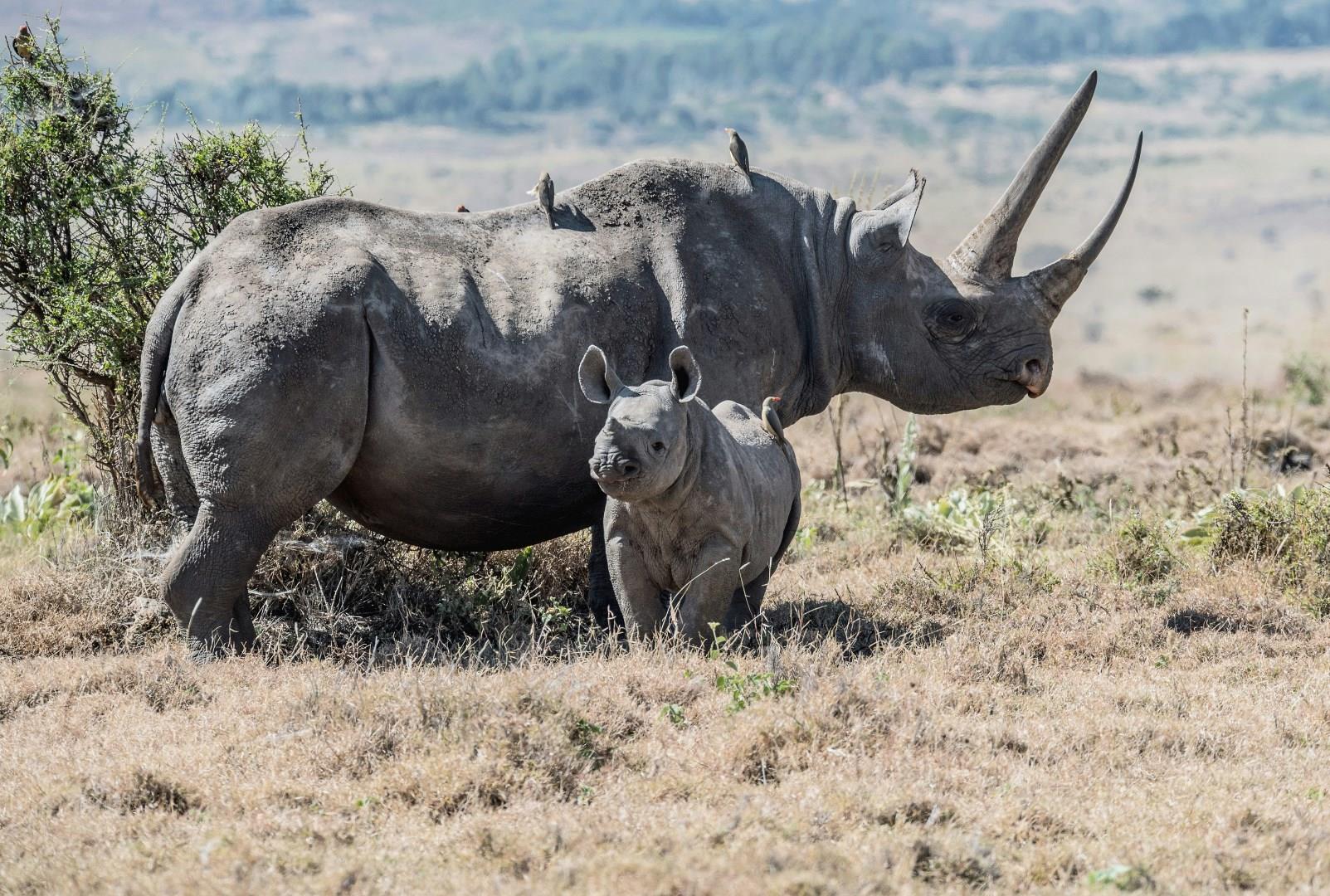
Lewa Wildlife Conservancy
Lewa Wildlife Conservancy lies in northern Kenya at the foothills of Mount Kenya, where open savannah, wooded hills, and seasonal rivers create a varied and striking landscape.
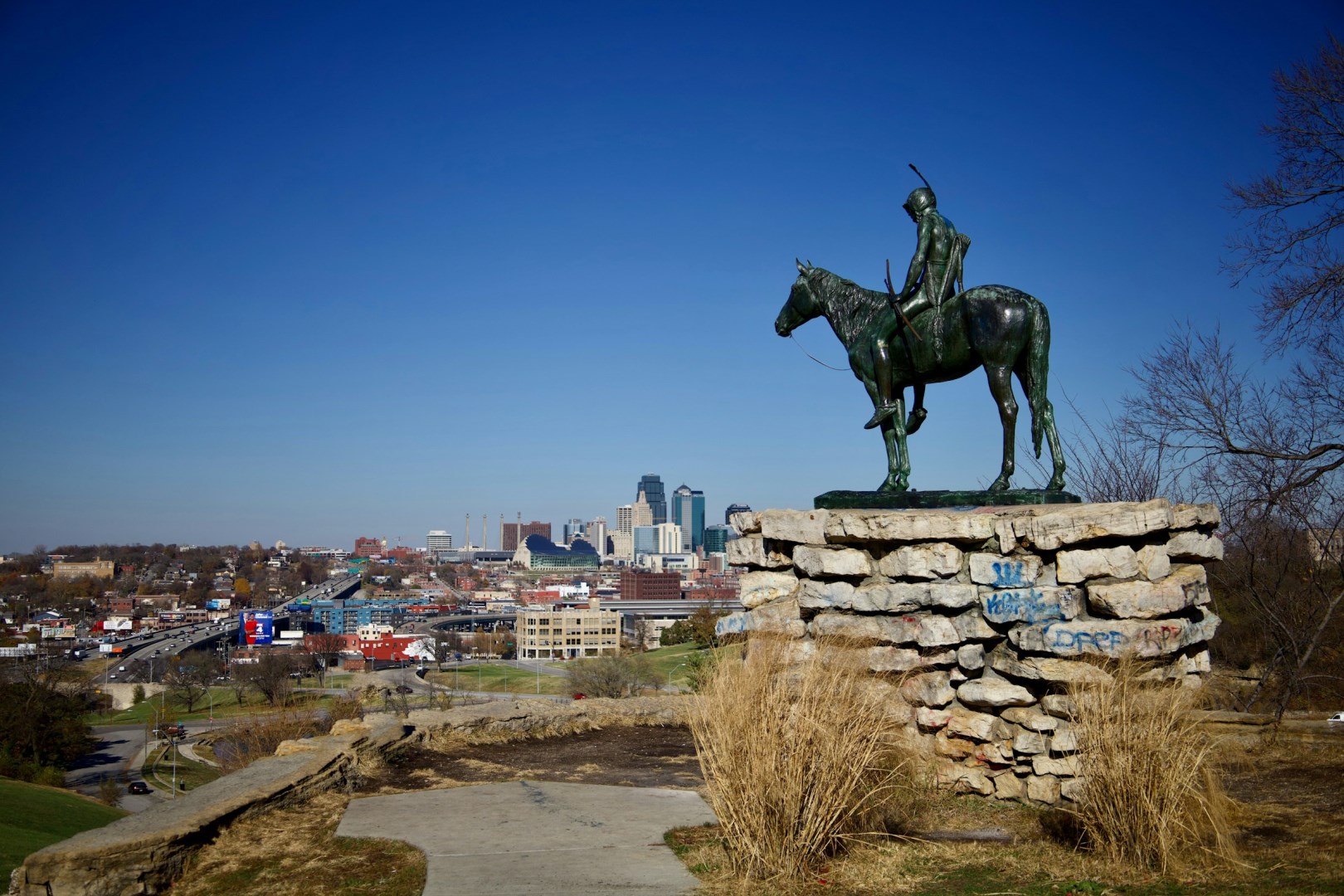
Kansas City
Kansas City is a major city in western Missouri, located where the Missouri and Kansas rivers meet near the Kansas state line. Its landscape includes rolling hills, broad river valleys, wooded parks, and a network of distinctive neighborhoods. The city developed as a transportation and commercial center, with railroads, livestock markets, manufacturing, and river trade shaping its growth.


