Access exclusive travel deals, industry leading news, and dynamic destination content.
The world of travel is constantly evolving, so let us do the work for you! We'll send you occasional emails to ensure you're up to date on all things travel and to make booking your next trip a breeze. Your email address comes to only us and you can unsubscribe at any time.
Sign Me Up
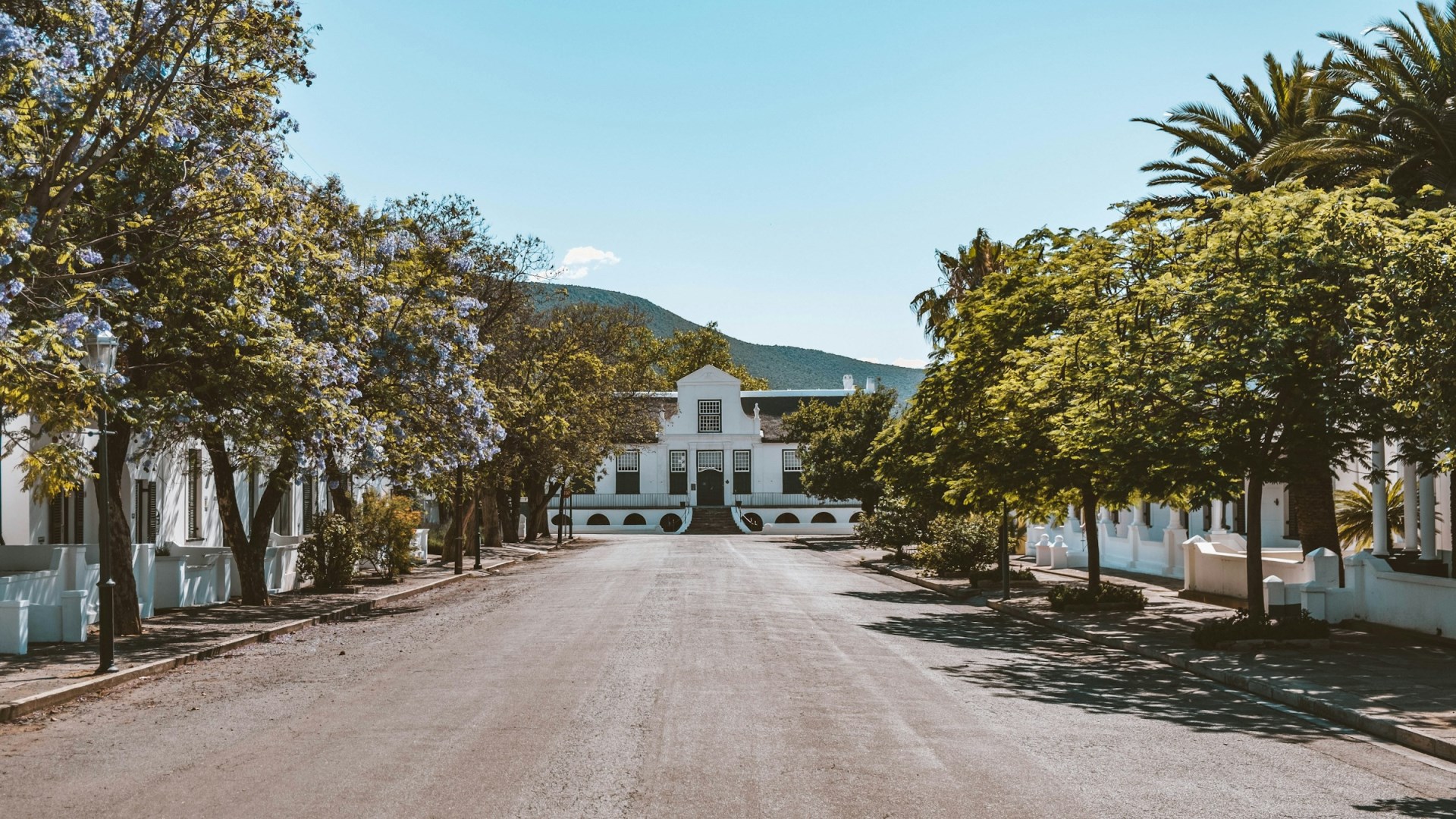
Graaff-Reinet
Graaff-Reinet is a historic town in South Africa’s Eastern Cape, set within a broad bend of the Sundays River in the Great Karoo. It is surrounded by the landscapes of Camdeboo National Park and is known for its collection of well-preserved historic buildings. More than 200 heritage structures are found across the town, many built in distinctive Cape Dutch, Victorian, and Karoo architectural styles.

Bonifacio Corsica
Bonifacio is located at the southernmost tip of the island of Corsica. The town towers above the "Bouches de Bonifacio" the strait between Corsica and Sardinia, above islands and reefs. Bonifacio has survived a unique history, founded in 833, and somehow has defied time and events.
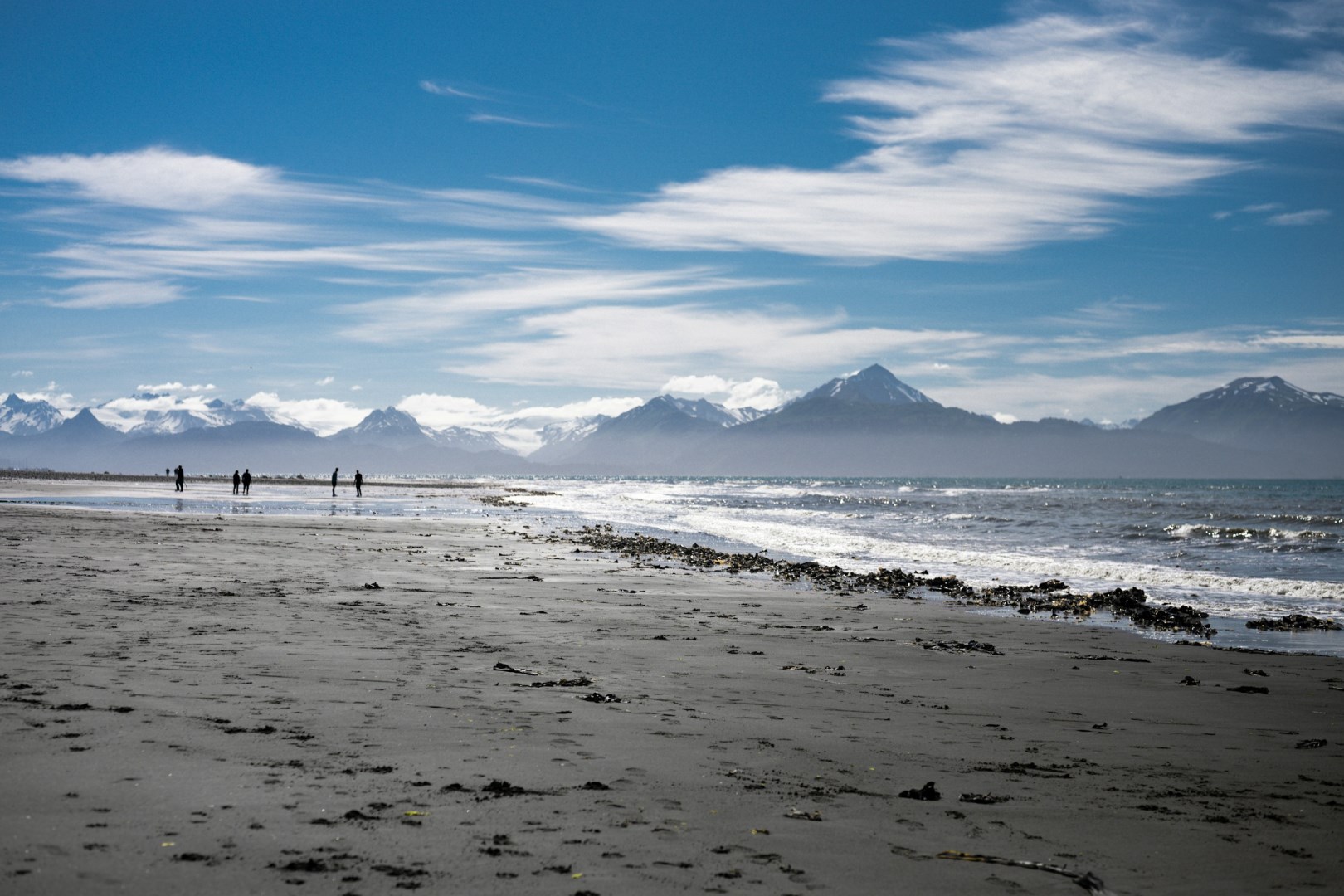
Homer
Homer, Alaska, sits at the end of the Kenai Peninsula and is often called the “end of the road,” where dramatic landscapes meet a vibrant small-town spirit. Overlooking Kachemak Bay, the town is framed by snowcapped mountains, glaciers, and a striking spit of land that juts four miles into the sea.
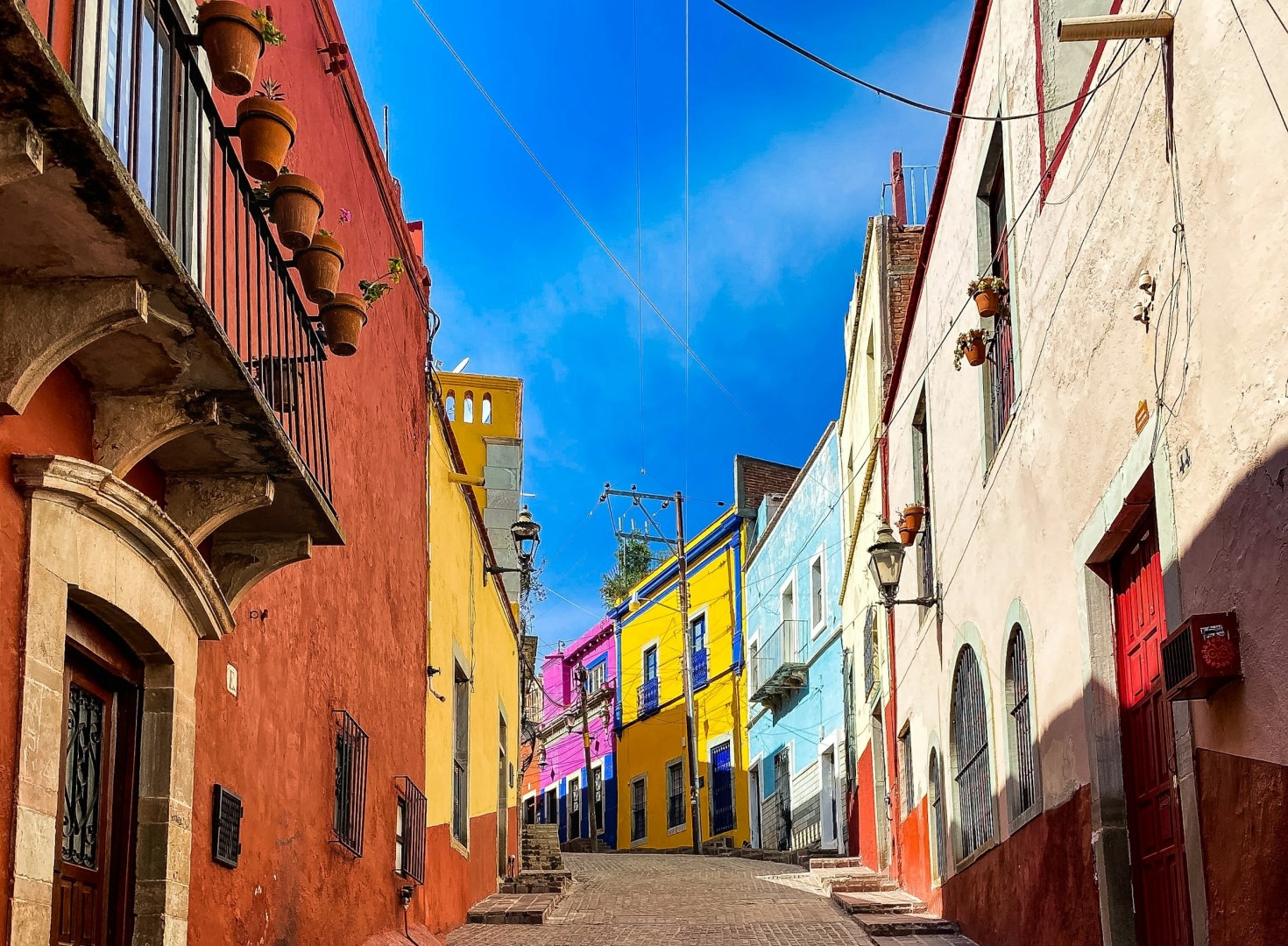
Guanajuato
Guanajuato, a UNESCO World Heritage City nestled in the mountains of central Mexico, is a place where history is built into every hillside alley and underground tunnel. Today, visitors can still tour La Valenciana Mine, where centuries-old tunnels and original mining equipment offer a glimpse into the city's wealth-driven past. The nearby Templo de San Cayetano, built by mine owners in the mid-1700s, is a stunning example of baroque design, lined with gilded altars and intricate woodwork.
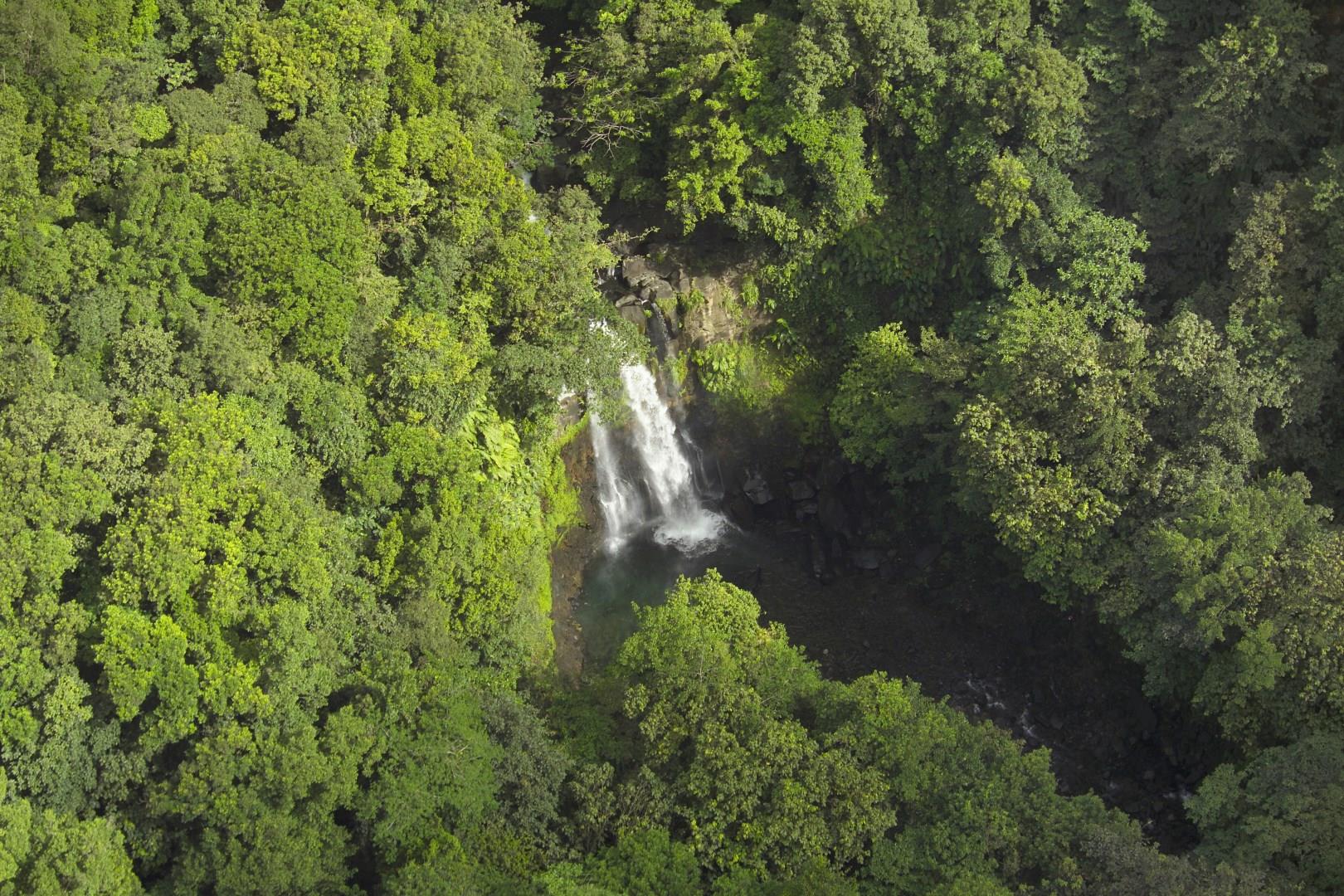
Basse-Terre
Basse-Terre, the western half of Guadeloupe, is a haven for nature enthusiasts and adventure seekers. Dominated by the towering La Soufrière volcano, the island boasts lush rainforests, dramatic waterfalls, and black sand beaches.
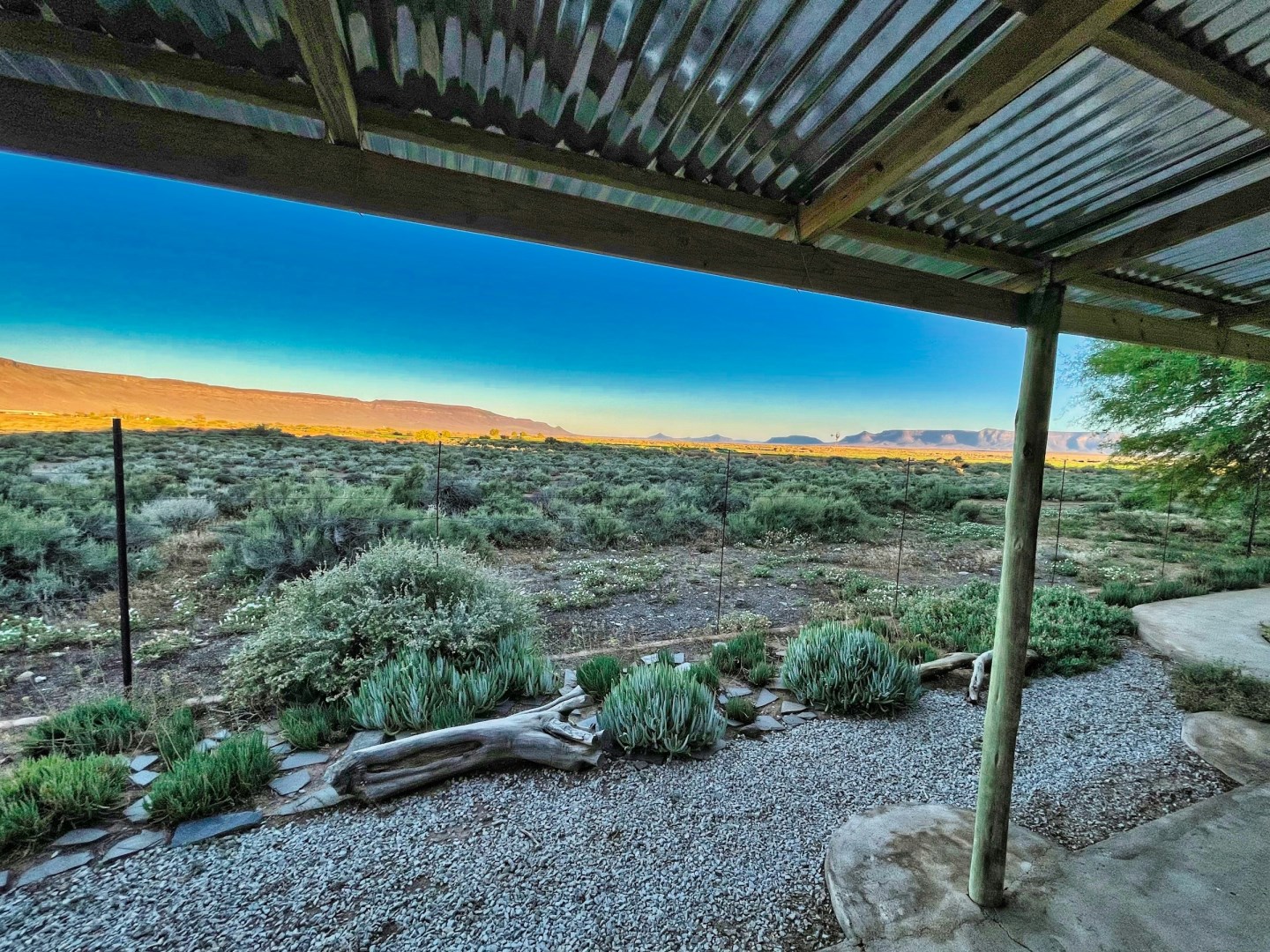
Calvinia
Calvinia is a small town in the Northern Cape’s Hantam Karoo, surrounded by a dry landscape of wide plains, rocky hills, and hardy shrubs. It serves as a regional centre for farming communities and is particularly associated with sheep farming and the production of Karoo wool. The town lies beneath the Hantam Mountain, a prominent local landmark that rises above the surrounding plains.