Access exclusive travel deals, industry leading news, and dynamic destination content.
The world of travel is constantly evolving, so let us do the work for you! We'll send you occasional emails to ensure you're up to date on all things travel and to make booking your next trip a breeze. Your email address comes to only us and you can unsubscribe at any time.
Sign Me Up
Marbella
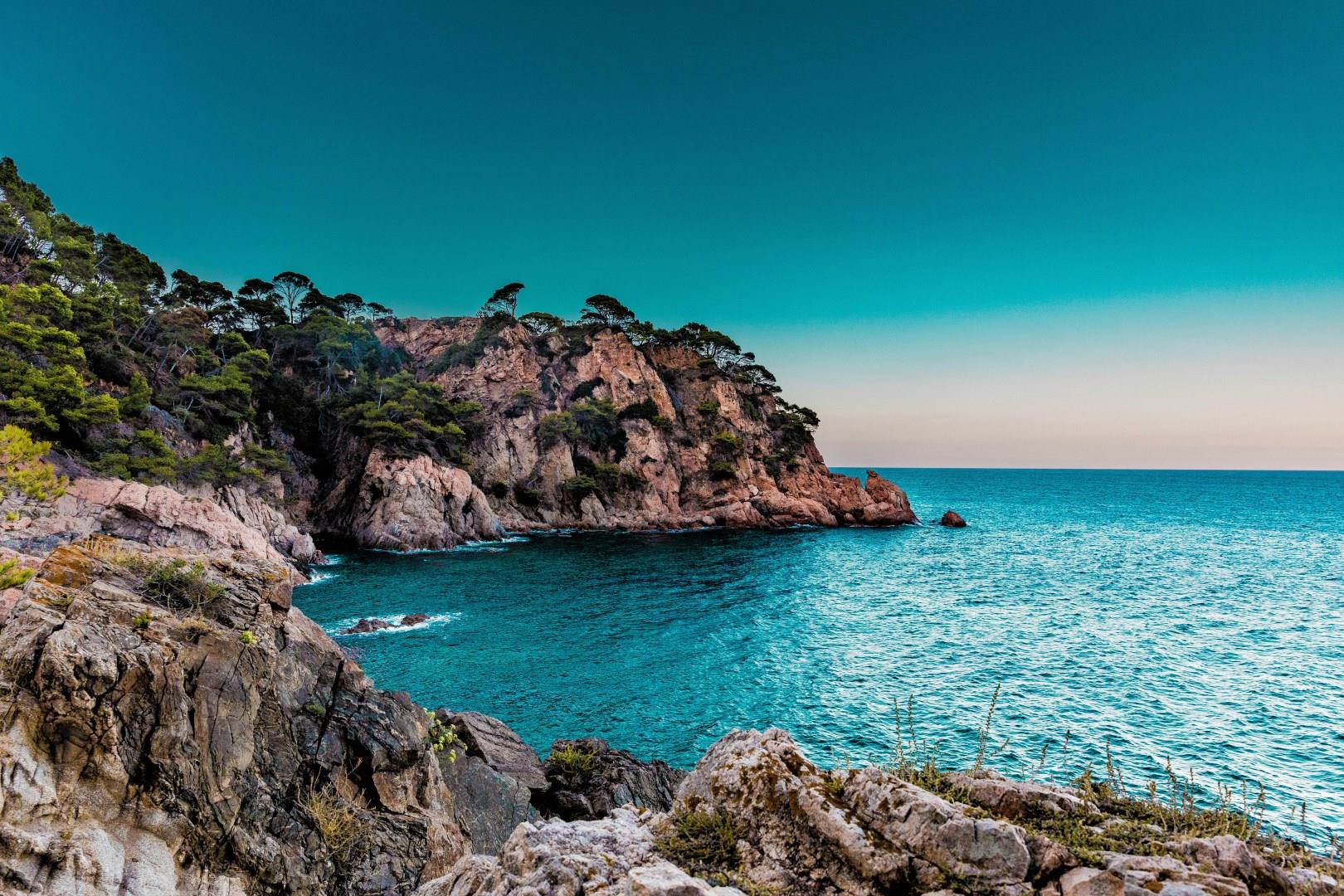
Marbella, located between the Mediterranean Sea and the Sierra Blanca mountains, is often associated with its luxury resorts and famous marina, Puerto Banús. But beyond the polished storefronts and designer yachts, the city has a layered past. Its old town, known as Casco Antiguo, is a well-preserved network of narrow streets built during Moorish rule, with whitewashed buildings, flower-filled balconies, and hidden plazas like Plaza de los Naranjos, which dates back to the 15th century.
Central Kalahari Game Reserve
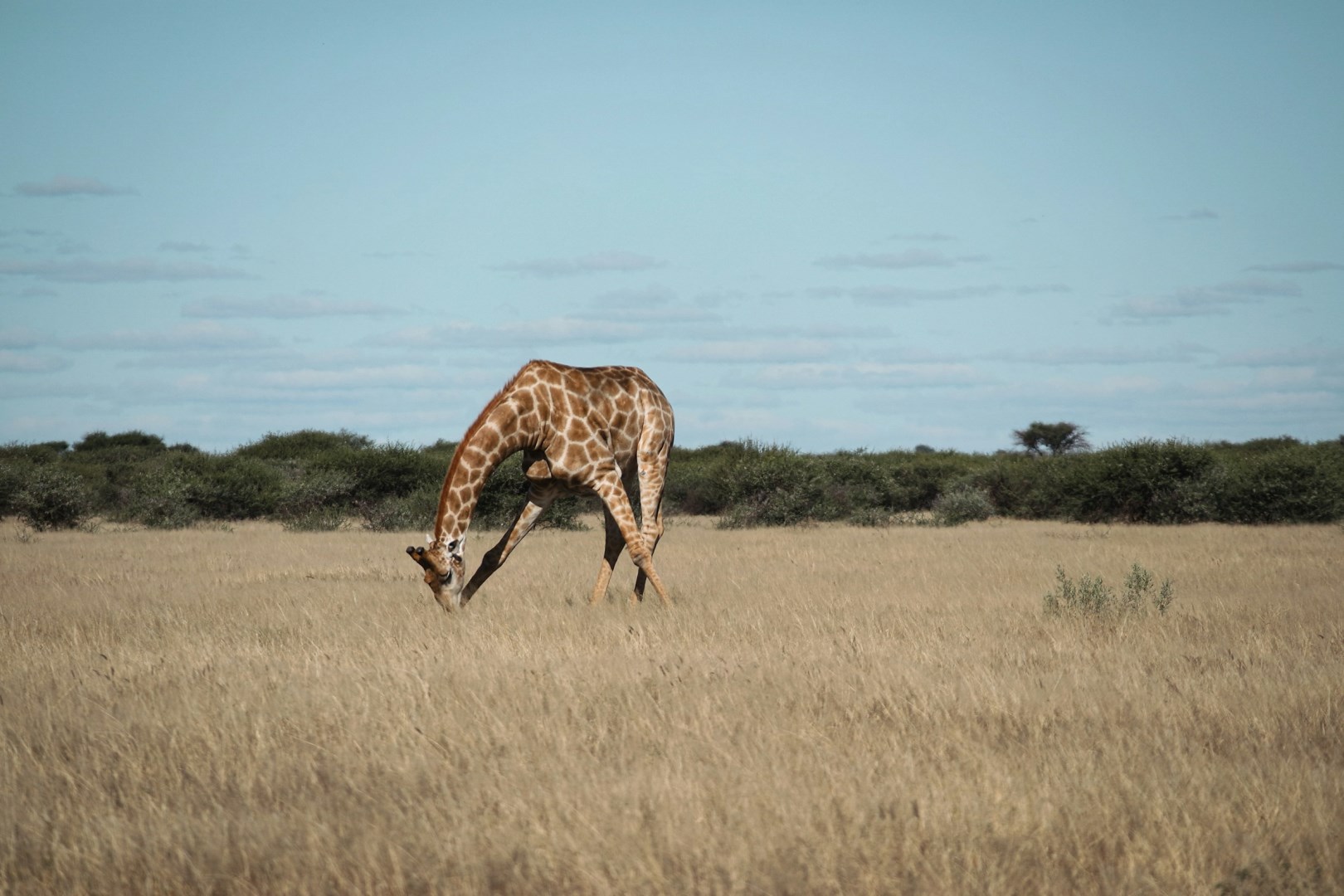
The Central Kalahari Game Reserve is a vast protected wilderness in Botswana’s Kalahari Desert, rather than South Africa. It covers a large area of semi-arid grassland, scrub, dry river valleys, and sandy plains, with Deception Valley and the northern section around Passarge Valley among its best-known areas. The reserve is remote and sparsely developed, with wildlife viewing focused on natural water sources and seasonal changes in vegetation

Corner Brook
The Corner Brook region is one of eastern Canada's top four season vacation destinations and offers a wide variety of experiences from relaxing scenic drives to high adventure in the wilds of the backcountry.

Molde
Nestled along the fjord-studded coastline of Norway, Molde is renowned for its breathtaking natural beauty and rich cultural heritage. Often called the "City of Roses" for its flourishing gardens and floral displays, Molde offers visitors a stunning panorama of 222 mountain peaks visible from its scenic viewpoints, including the renowned Varden Viewpoint. This spot provides an unparalleled vista of the surrounding fjords and peaks, making it a must-see for any nature enthusiast.
La Trinité
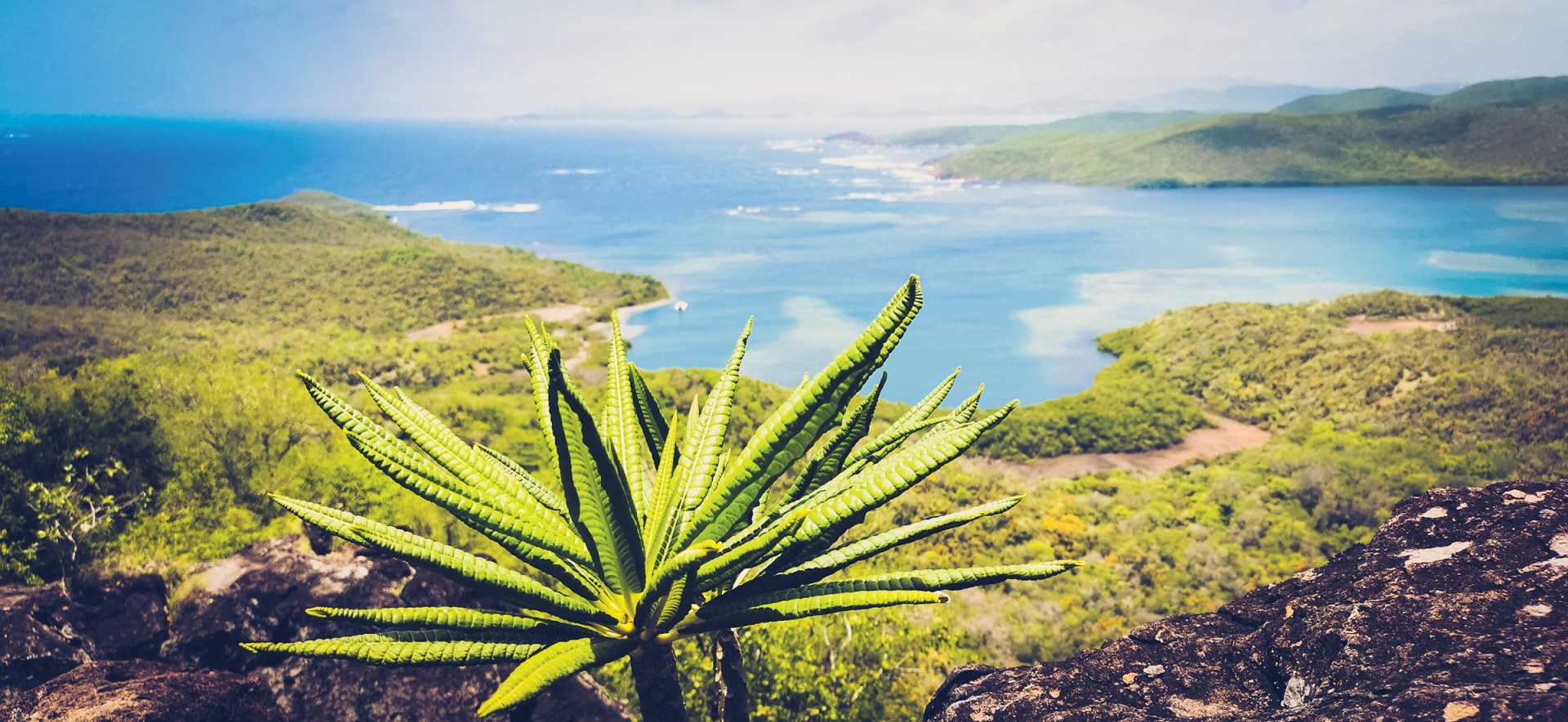
La Trinité is a coastal town on Martinique’s northeastern side, facing the Atlantic Ocean and the large bay of the Baie du Trésor. It serves as the main town of the La Trinité arrondissement and is surrounded by a landscape of sugar-cane fields, tropical vegetation, hills, and coastal wetlands. The town itself has a working harbour and a waterfront shaped by fishing and maritime activity.
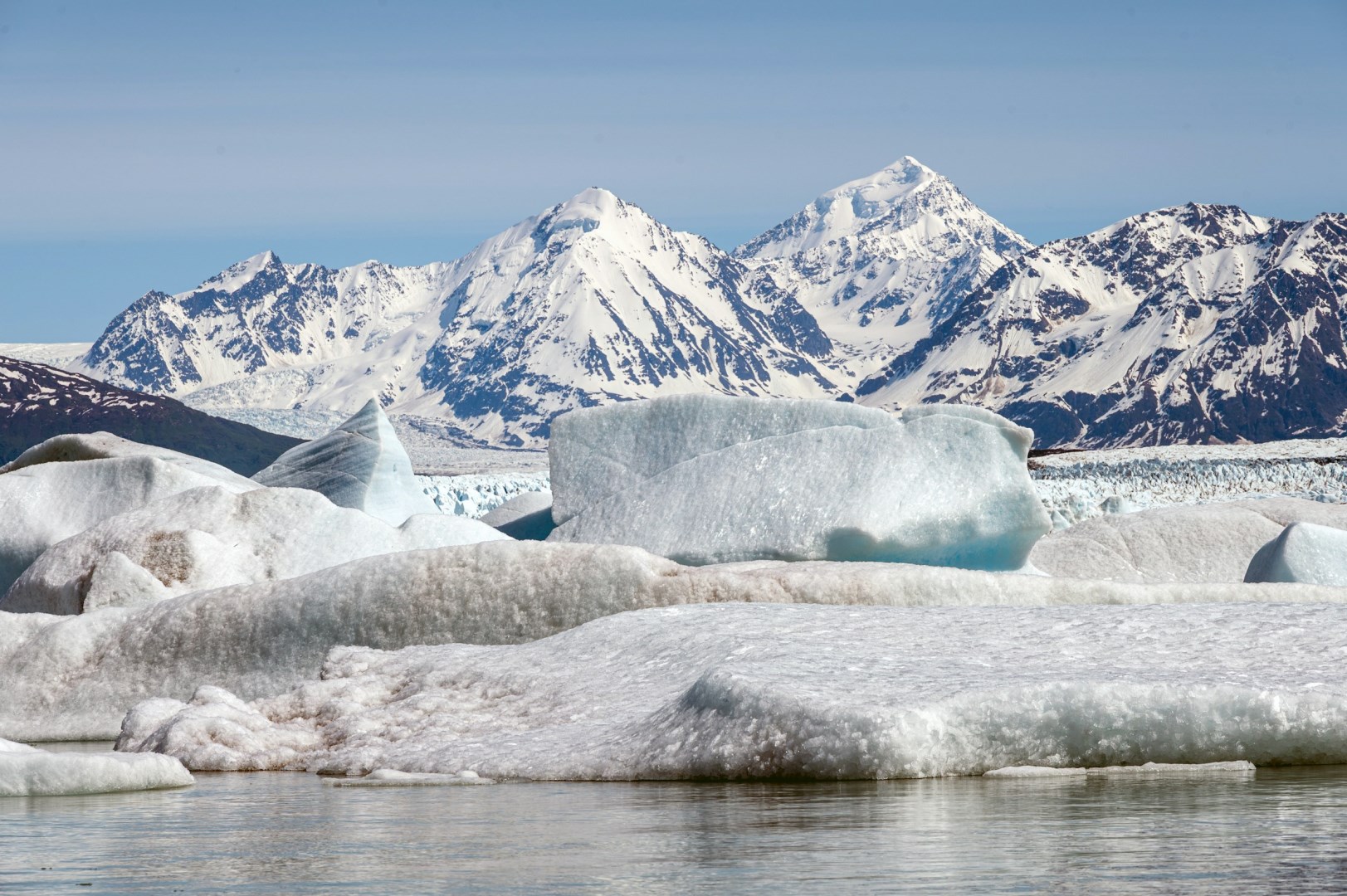
Chugach National Forest
Chugach National Forest covers a vast area of south-central Alaska, stretching from the Kenai Peninsula across Prince William Sound and into the Copper River region. It is one of the largest national forests in the United States and contains a varied landscape of mountains, glaciers, coastal fjords, rivers, wetlands, and dense spruce and hemlock forests.