Access exclusive travel deals, industry leading news, and dynamic destination content.
The world of travel is constantly evolving, so let us do the work for you! We'll send you occasional emails to ensure you're up to date on all things travel and to make booking your next trip a breeze. Your email address comes to only us and you can unsubscribe at any time.
Sign Me Up
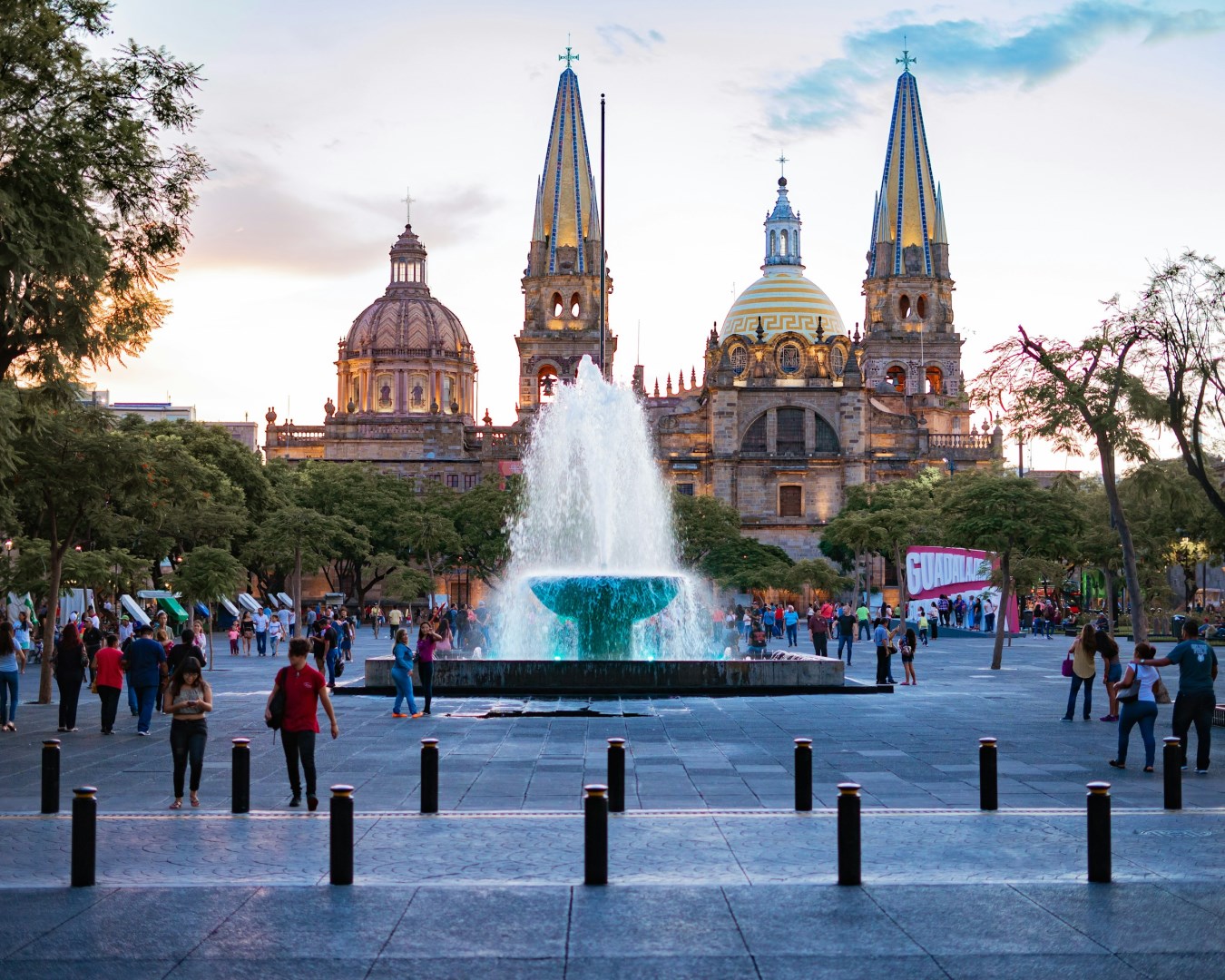
Guadalajara
In the central highlands of Mexico lies a rich city, with a culture as colorful as its past. Guadalajara, Mexico's second largest city, may be best known for its tequila, mariachis and the hat dance, all part of its celebrations. The downtown area is dominated by a huge public square, the Plaza del la Liberacion. Guadalahara's most impressive historical sights are found along this square, as well as museums tracing Mexico's long history.

Las Vegas
Las Vegas, Nevada, is an electrifying city where glitz and glamour meet entertainment and excitement. Known as "The Entertainment Capital of the World," Las Vegas offers an unparalleled array of attractions, from its iconic casinos and luxurious hotels to its world-class dining and live shows. The city's entertainment scene is second to none, featuring legendary headliners, cutting-edge performances, and an array of themed attractions.

Puerto Plata
Puerto Plata, located on the Dominican Republic's northern coast, is the perfect tropical getaway for your next trip to the Caribbean! From Acapulco Beach to Playa Dorada, sandy beaches and warm turquoise waves are the highlight of this sunny destination.

Bar Harbor
Bar Harbor should be any traveler's Maine priority! Drink in a view of the Atlantic Ocean from the town pier, and be sure to get some lobster at one of the excellent local restaurants. Bar Harbor, a Mount Desert Island town, is also the portal to the rugged, recreational paradise Acadia National Park, where birding, whale-watching and kayaking is the order of the day. The park's Cadillac Mountain is the highest point on America's East Coast.
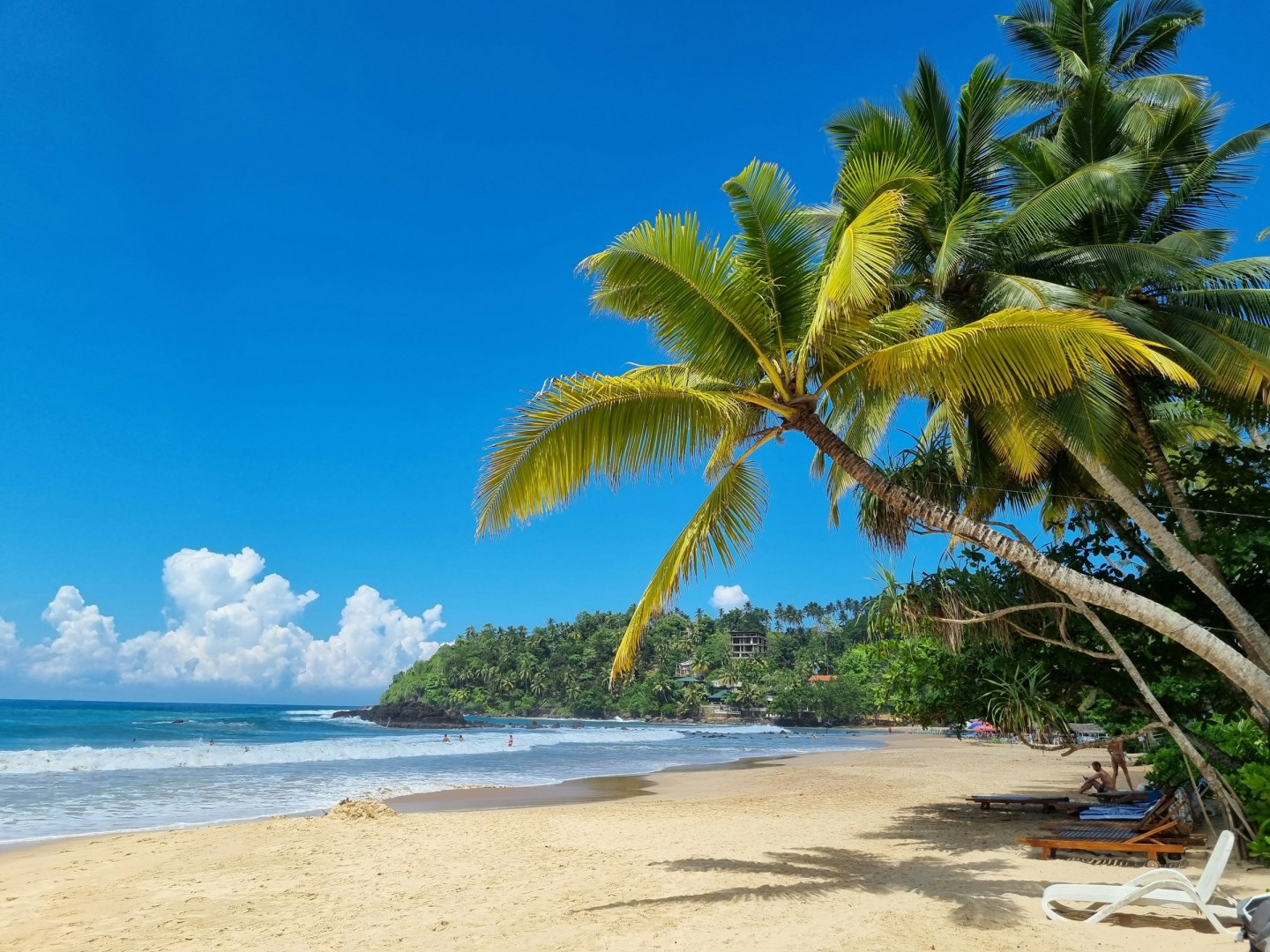
Mirissa
Mirissa, on the southern coast of Sri Lanka, is a seaside town that blends golden beaches, turquoise waters, and a laid-back atmosphere. Known for its crescent-shaped bay fringed with palm trees, it offers one of the island’s most inviting spots for swimming, surfing, and lounging by the sea.

Phuket
Phuket, Thailand’s largest island, has long served as a cultural and trade crossroads in the Andaman Sea. Centuries ago, it was a stopover for merchants trading tin, spices, and textiles, with influences from Chinese, Portuguese, Indian, and Malay travelers still reflected in the island’s architecture and cuisine. Inland, the Khao Phra Thaeo Wildlife Sanctuary protects rainforest habitat home to gibbons, civets, and exotic birds.