Manzanillo, located on Mexico’s Pacific coast, is a port city known for its beautiful beaches, excellent seafood, and world-class fishing. It is one of the country’s busiest ports, and is often called the "Sailfish Capital of the World."
Tahiti is a veritable paradise in the South Pacific. The largest and most populous island of French Polynesia's Society Islands, Tahiti is known for its iconic overwater bungalows, crystal-clear cerulean water, and lush, tropical rainforests.
M’Hamid El Ghizlane sits deep in southeastern Morocco’s Sahara, where the paved road ends and endless sands begin. Travelers often arrive from Zagora, taking in the wide palm groves fed by ancient irrigation channels that show how people have sustained life here for centuries. At sunrise and sunset, the dunes glow with waves of gold and copper, offering unforgettable views few places on earth can match.
Abidjan, the largest city in Ivory Coast, is a vibrant coastal hub known for its striking skyline, lively markets, and cultural energy. Situated along the Ébrié Lagoon, it serves as the country’s economic and commercial center, blending modern urban life with West African traditions. Nicknamed the “Paris of West Africa,” Abidjan offers a dynamic mix of business districts, beachside neighborhoods, and green spaces that reflect its diverse character.
This island is Australia's third largest, only a short flight or ferry trip from the mainland. The abundance of native flora and fauna are unthreatened due to its remoteness. Sea lions basking in the sun and penguins promenading are a spectacle to see. PirKangaroo Island, often described as Australia’s "Galápagos," is a wildlife sanctuary and nature lover's paradise located off the coast of South Australia.
Tampico, located on the Gulf Coast of Tamaulipas, is a port city with a layered history shaped by trade, oil, and immigration. Its downtown district is known for neoclassical buildings, many of which were constructed with imported bricks and ironwork from Europe during the oil boom of the early 20th century. One of Tampico’s most photographed structures is the Mercado Municipal, rebuilt in recent years but still functioning as a central hub for daily life.
Dive into the rich history and delectable cuisine of Shanghai with this 3-hour walking tour of Shanghai Old Town. See famous landmarks such as the Old City Wall and sip tea in a 700-year old Confucius temple.
Set sail on a spectacular 12-day round-trip sailing from New York to the Caribbean with Norwegian. In Puerto Plata, visit Fortaleza San Felipe, which was built in the 16th century or head to the Amber Museum, which is filled with a unique collection of valuable Dominican amber. Wander San Juan's picturesque cobblestone streets, plazas and chapels, all reflecting its rich Spanish heritage. And on the island of St. Thomas, witness Charlotte Amalie's breathtaking harbor - once home to pirates but still full of many treasures today.
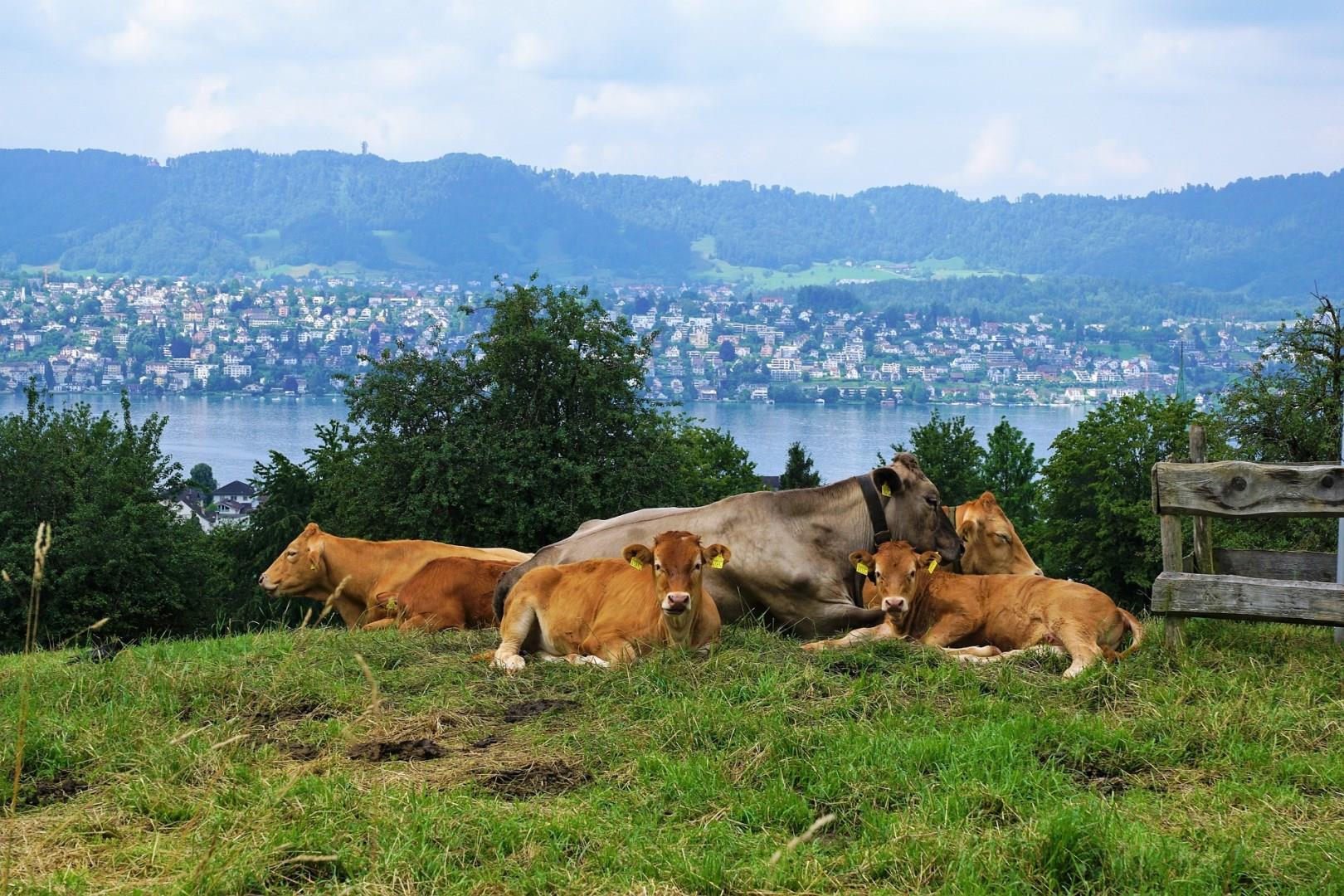
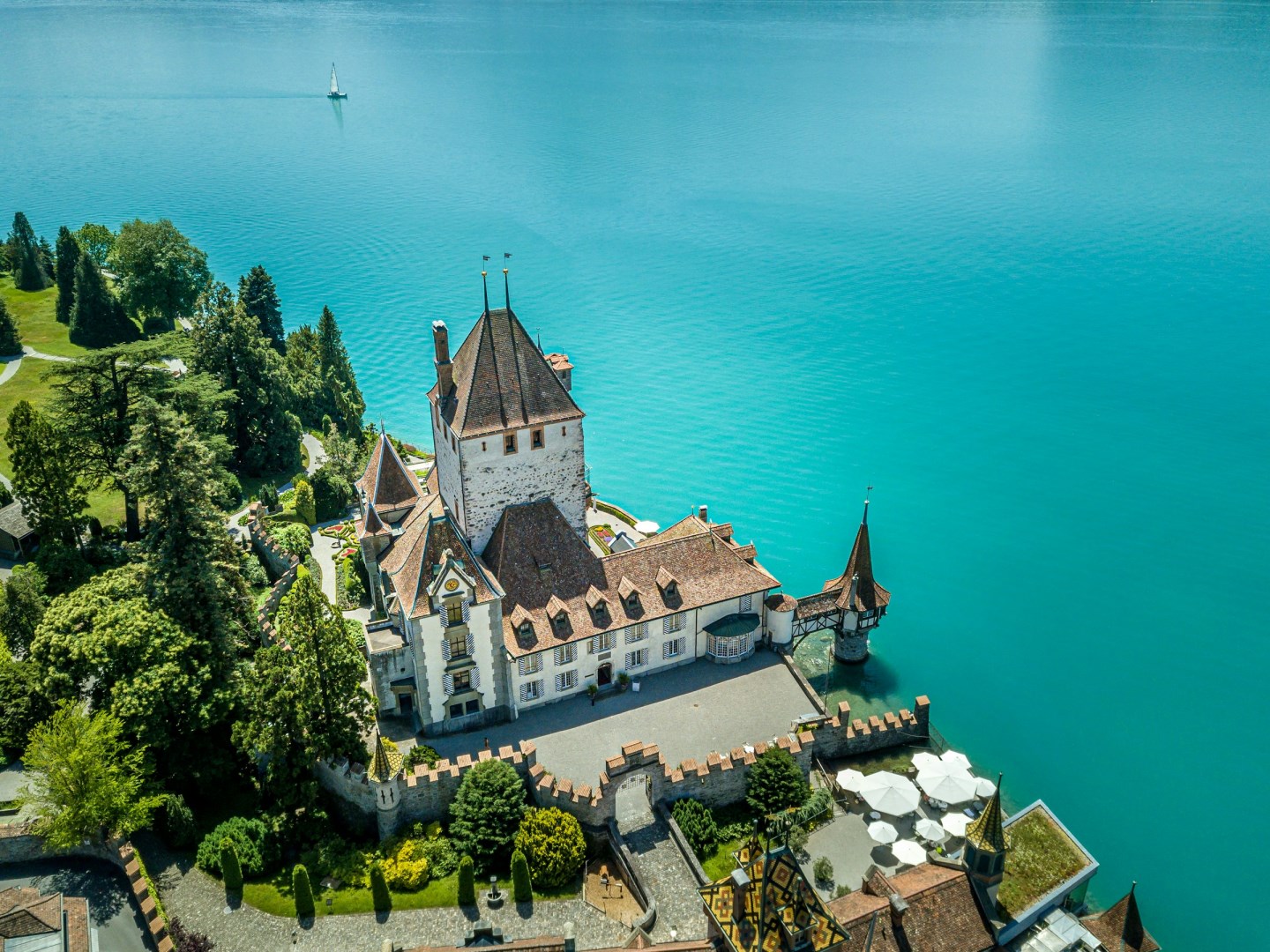
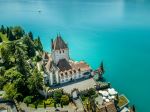
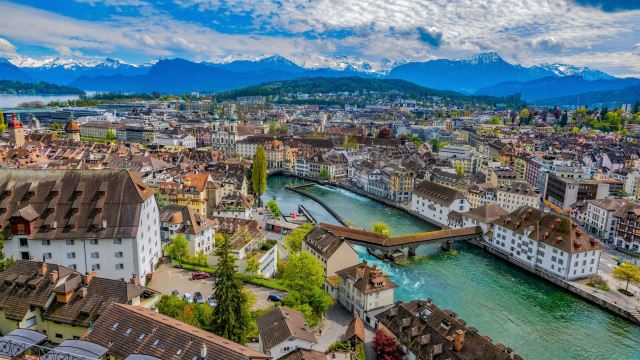
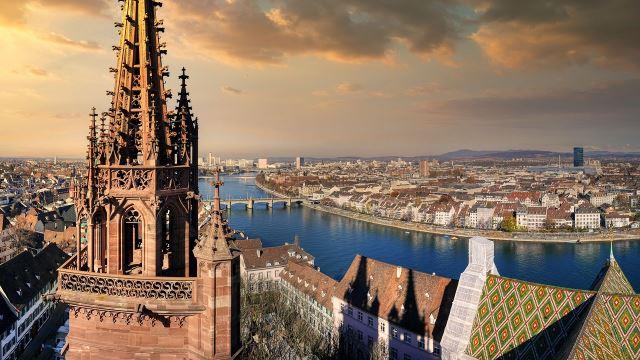
Switzerland's daily life appears to be full of contradictions: the old and the new, natural beauty and industrial production, neutrality and international frankness. These sharp contrasts go hand in hand, and this unity is the real reason that this small country in the heart of Europe has developed into such an important communication and trading partner in the world today. It is Switzerland's contrasts - its diversity which attracts both the businessman and the tourist alike.
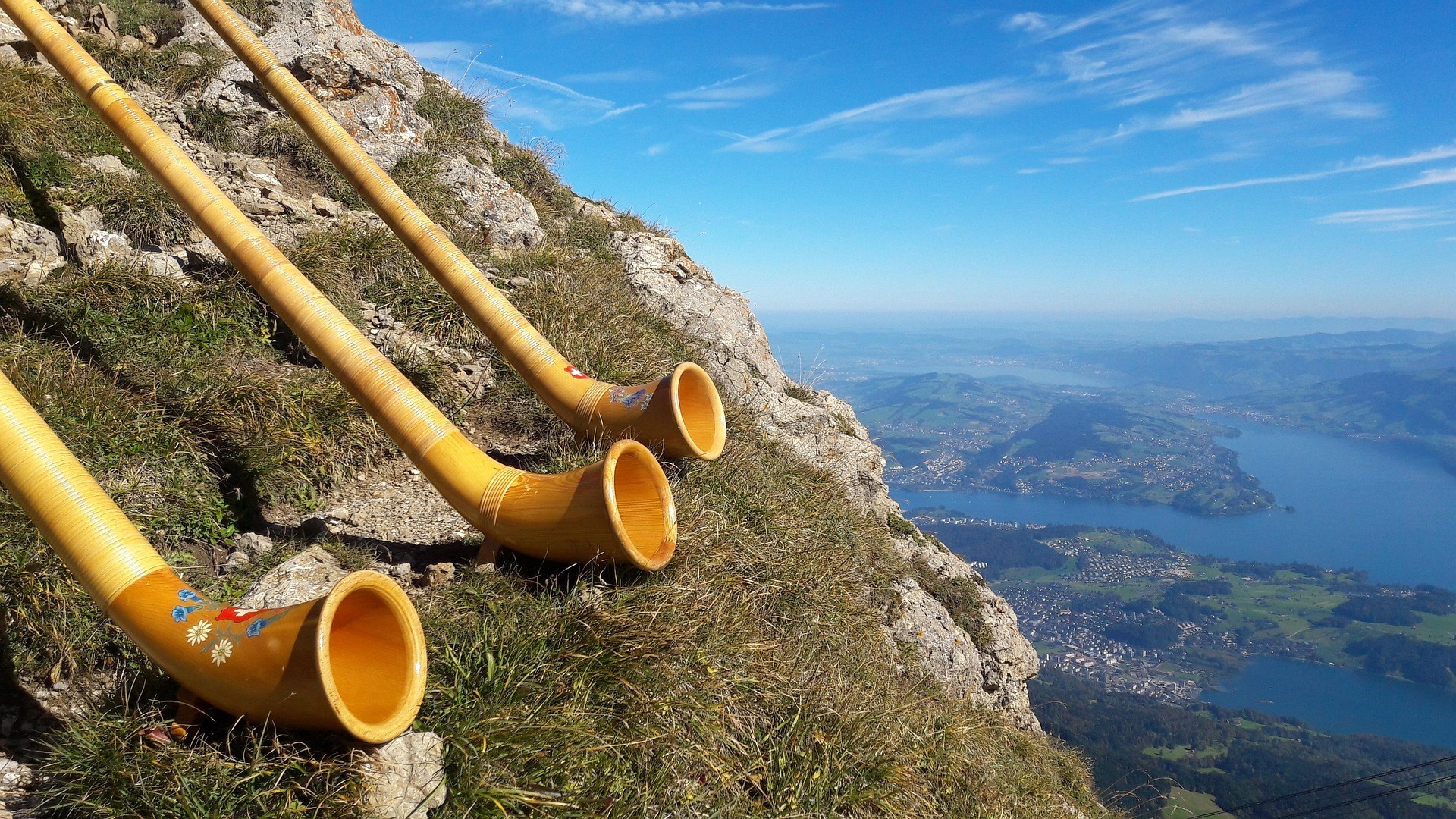
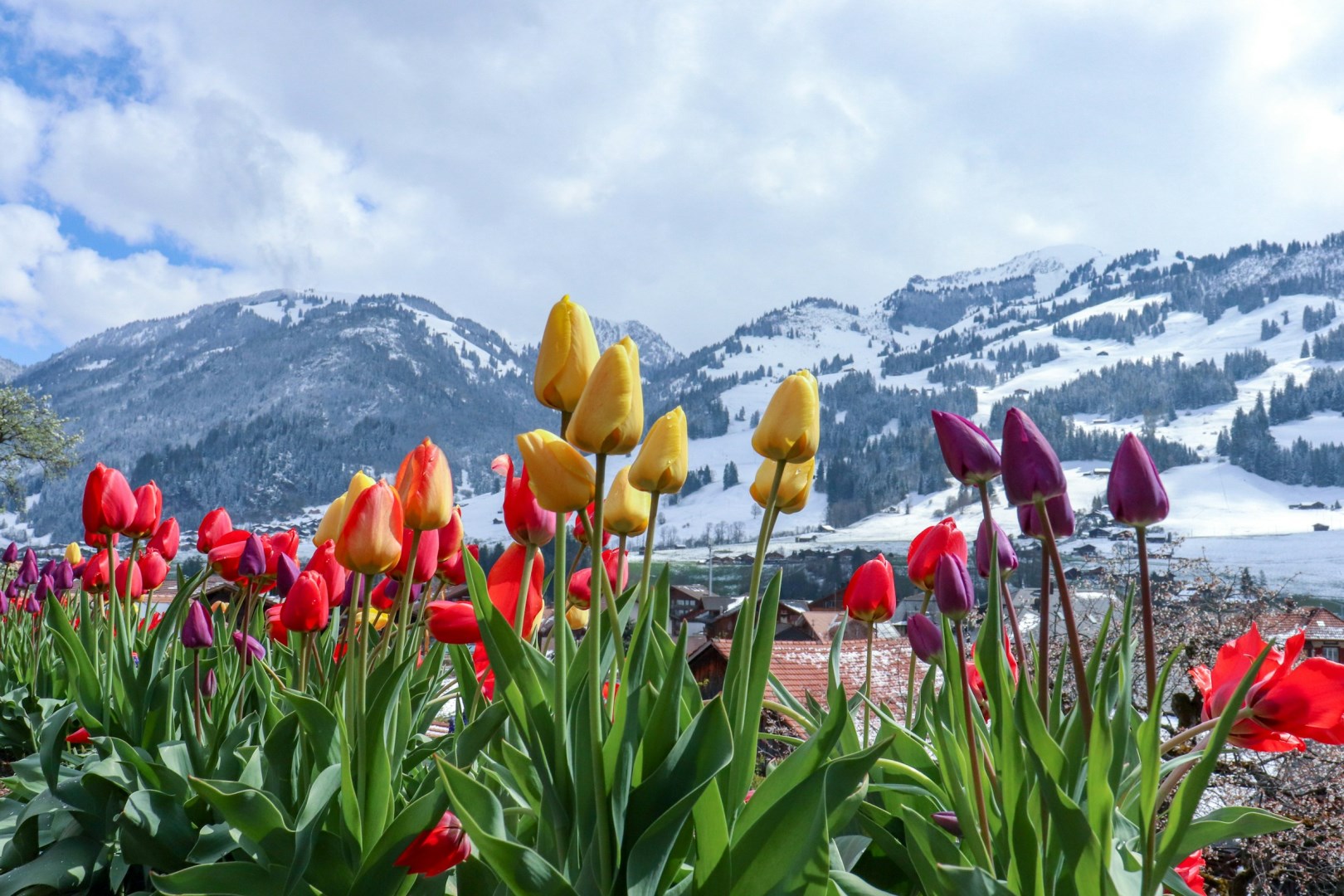
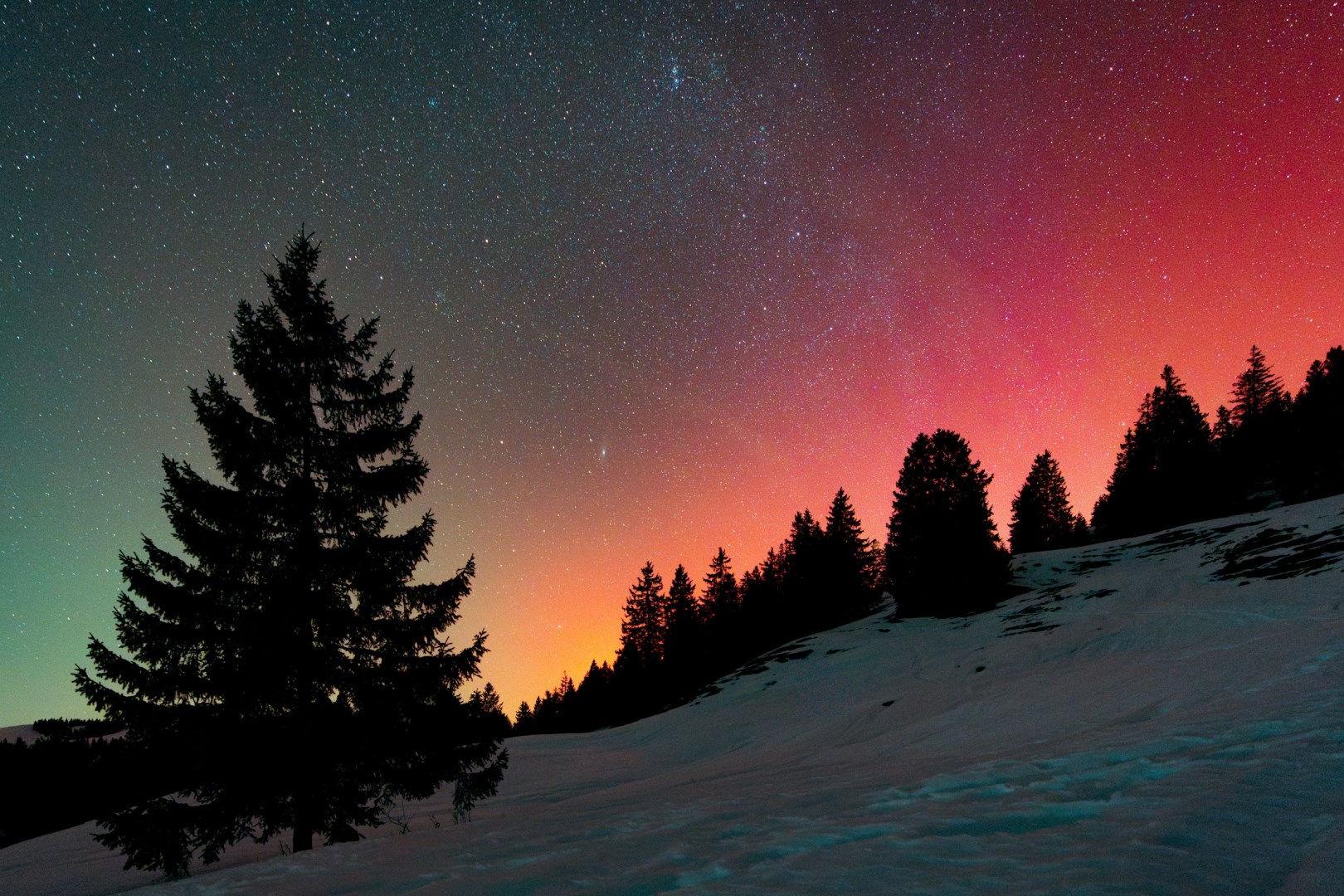
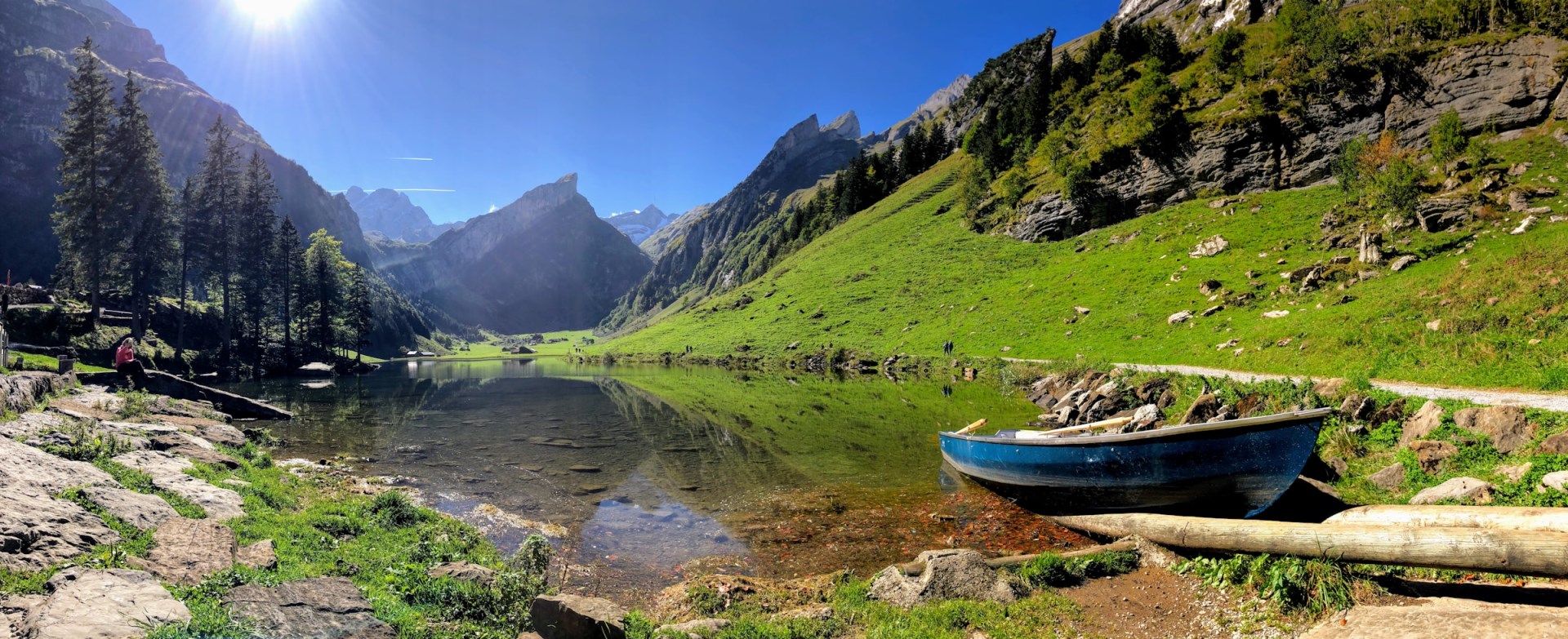
Lofty alpine landscapes, splendid ski-fields and crystal clear mountain lakes contrast with the Mediterranean ambience of the south; an internationalism that is well and truly practiced, the fascinating heritage and rich traditions of a remarkable people, the patrician old world standing proudly side-by-side a modernity that is quite avant-garde.Switzerland is so much more than the innate pragmatism of such superior inventions as banking, life insurance and timeless timekeeping would
suggest. After all, the same practical minds concocted the world's most delectable chocolate.
In an effort to protect its traditional rights and foster a national identity, Switzerland established a democracy, nearly seven hundred years ago. Today, this tiny land-locked country has the world's oldest democracy and its mechanisms have become a blueprint for the free world.
The constitutionally authoritative network of 24 cantons is further divided into self-administrative regions known as communes. The whole seemingly complex system actually translates into a working democratic tradition in its purest form - government by the people for the people. Neutrality - declared as a means of self-preservation in the 16th century - may be the foundation of the Swiss politic and an unequivocal stance that has prompted many worldwide humanitarian organisations to base themselves there, but multi-culturalism is the way of life. This is revealed in an enormous, dynamic diversity within Swiss borders in part due to the regionalisation and their respective traditions, customs and festivals and to the predominance of three strong cultures - German, French and Italian. The delightful characteristics of each permeated the individual villages, cities and towns of each canton creating a unique national culture. There are four national languages: Swiss-German, French, Italian and the rare Romansch whilst over 700 dialects add even more colour to the mix.
No matter where the location from rustic villages high in the snow-capped Alps, to the majestic shores of picture perfect lakes, the pure mountain air and fresh vistas of the Jura, bustling Zurich and rarefied Geneva, the warmest of welcomes awaits. Swiss hospitality is legendary.