Loving Life Travel, owned by Kimberly Lind, is a Michigan-based travel agency specializing in honeymoons, destination weddings, cruises, and group travel. Kimberly provides full-service concierge planning, including airfare, accommodations, airport transfers, and thoughtfully curated extras.
With personalized service, clear communication, and professional guidance, Loving Life Travel supports clients from the initial consultation through their departure and return—creating seamless, memorable travel experiences for every client and guest.











Peru Machu Picchu and Amazon Adventure
Spirit of Terra Nova onboard Terra Nova Adventurer

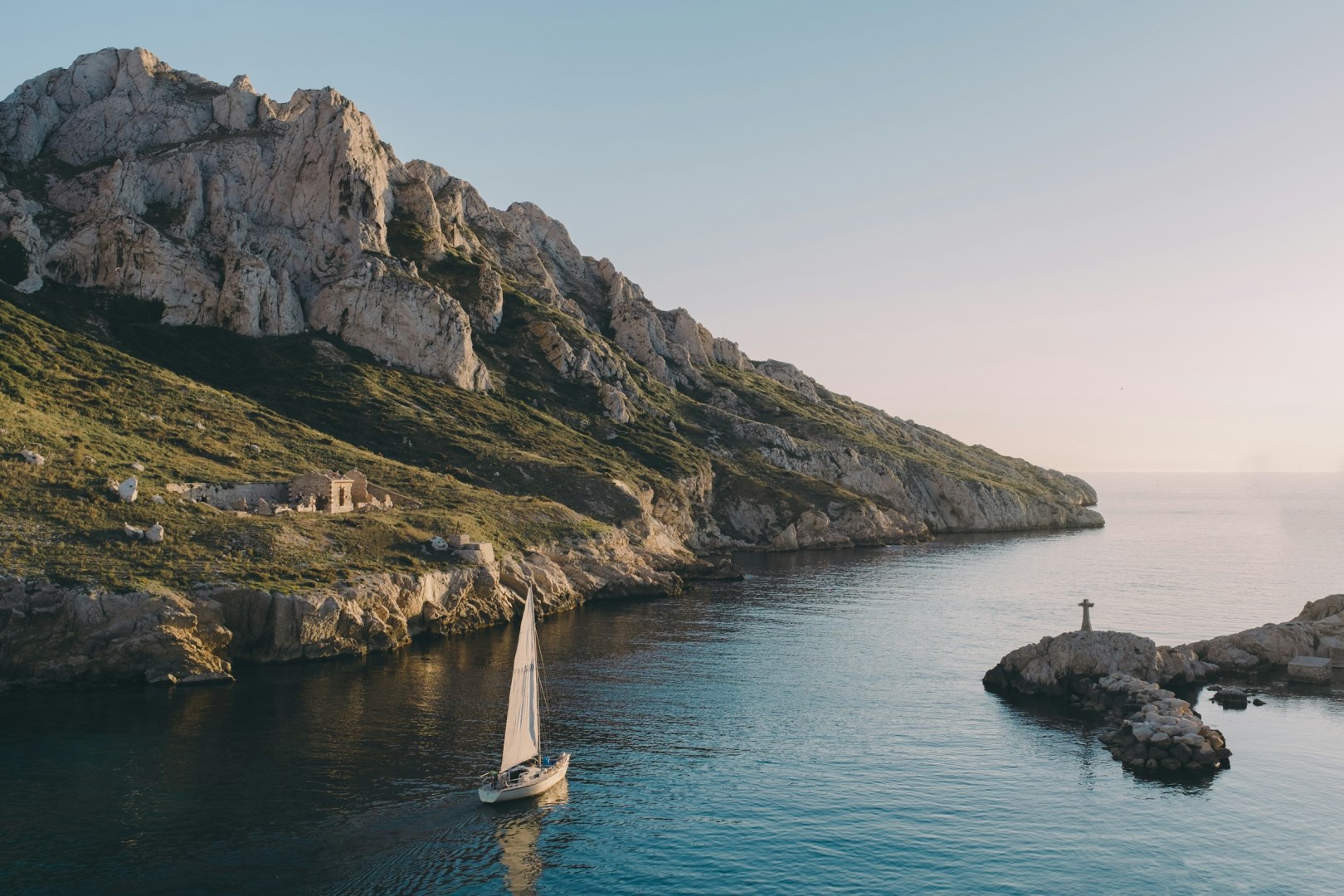
Private Minoan Crete With Wineries Adventure
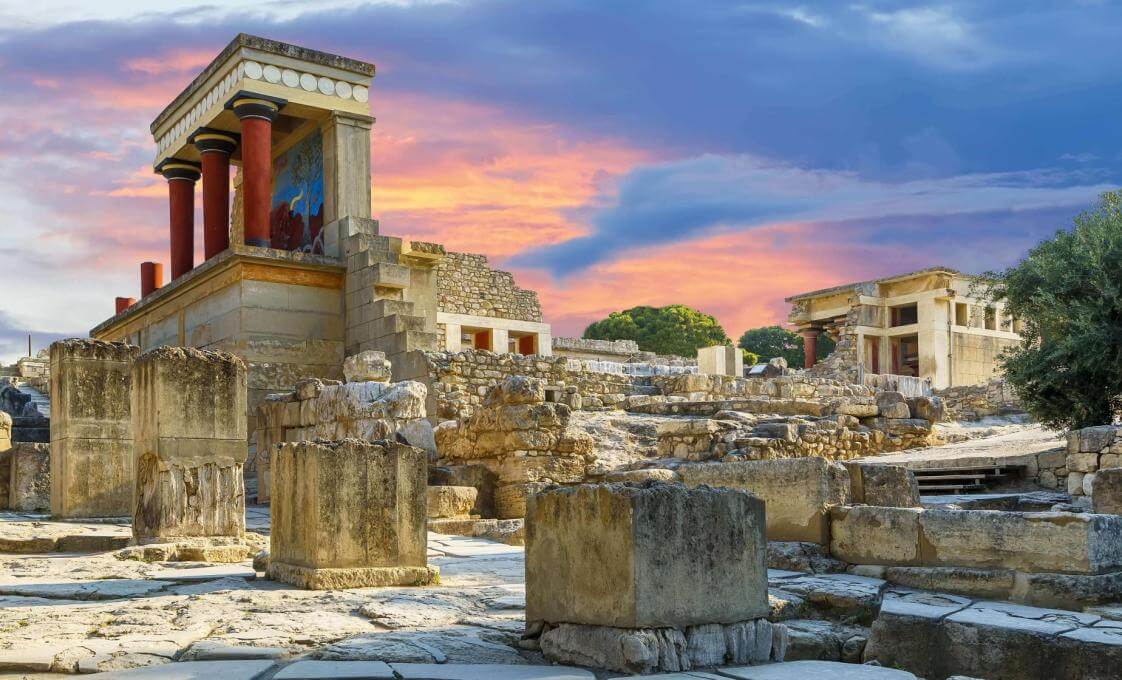
This exclusive journey offers discerning travelers an unparalleled opportunity to delve deep into the captivating tapestry of Crete's rich and storied history, creating unforgettable connections with the island's cultural heritage.
Active Canada: Canoeing Quebec's Rivers & Lakes
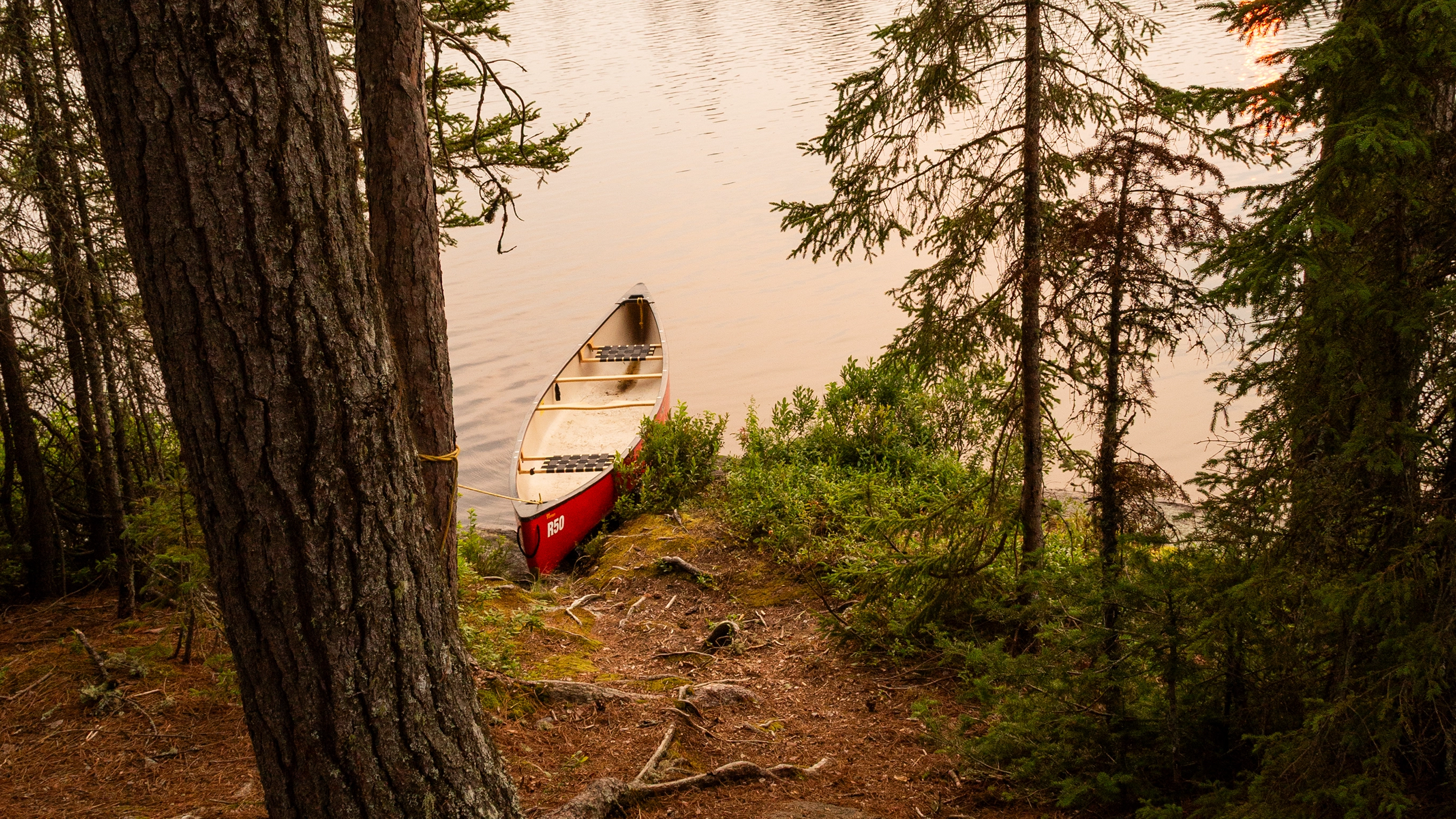
Get ready to channel your inner 18th-century explorer and follow the literal wake of the La Vérendrye brothers on an authentic wilderness paddling adventure. Inspired by the voyageurs who once travelled these waterways, this trip celebrates canoeing as it was meant to be: deep in the wild, navigating interconnected lakes, and mastering the art of the portage. After a few nights of camping under the stars and listening to the local loons, you’ll trade the tent for a lakeside hotel to reflect o...
The Micato Grand Safari
The grand, glamourous, unabashedly luxurious safaris favoured by princes and princesses, potentates, plutocrats, and ex-presidents (Teddy Roosevelt's epic 1909 safari was one of the first of its sumptuous kind) are central to East Africa's heritage as one of the world's most desired destinations. This Grand Safari is Micato's homage to those old and romantic days, to their indulgent and exquisite grace.


Northland Adventure
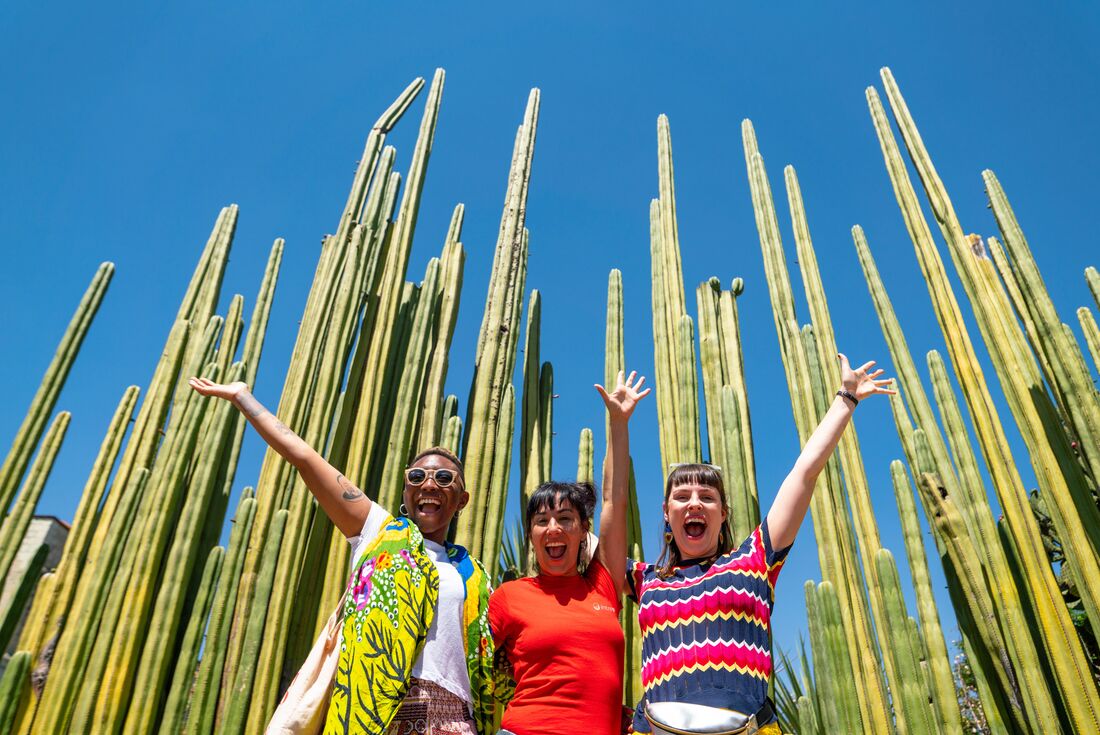
Best of Mexico
Raise a margarita to the beauty and culture of Mexico on this adventure. Discover Maya history at the Chichen Itza ruins – one of the new Seven Wonders of the World – and visit Indigenous communities near the charming San Cristobal de las Casas. Indulge in a traditional feast of pibil (slow roasted pork) with a Maya family and learn about Zapotec culture over lunch in a local home. Stroll the charming streets of Merida, be charmed by the alebrijes of Oaxaca and chill out on the beaches of Playa del Carmen. From museums and ruins to canyons and waterfalls, this journey will give you a taste of Mexico’s best.
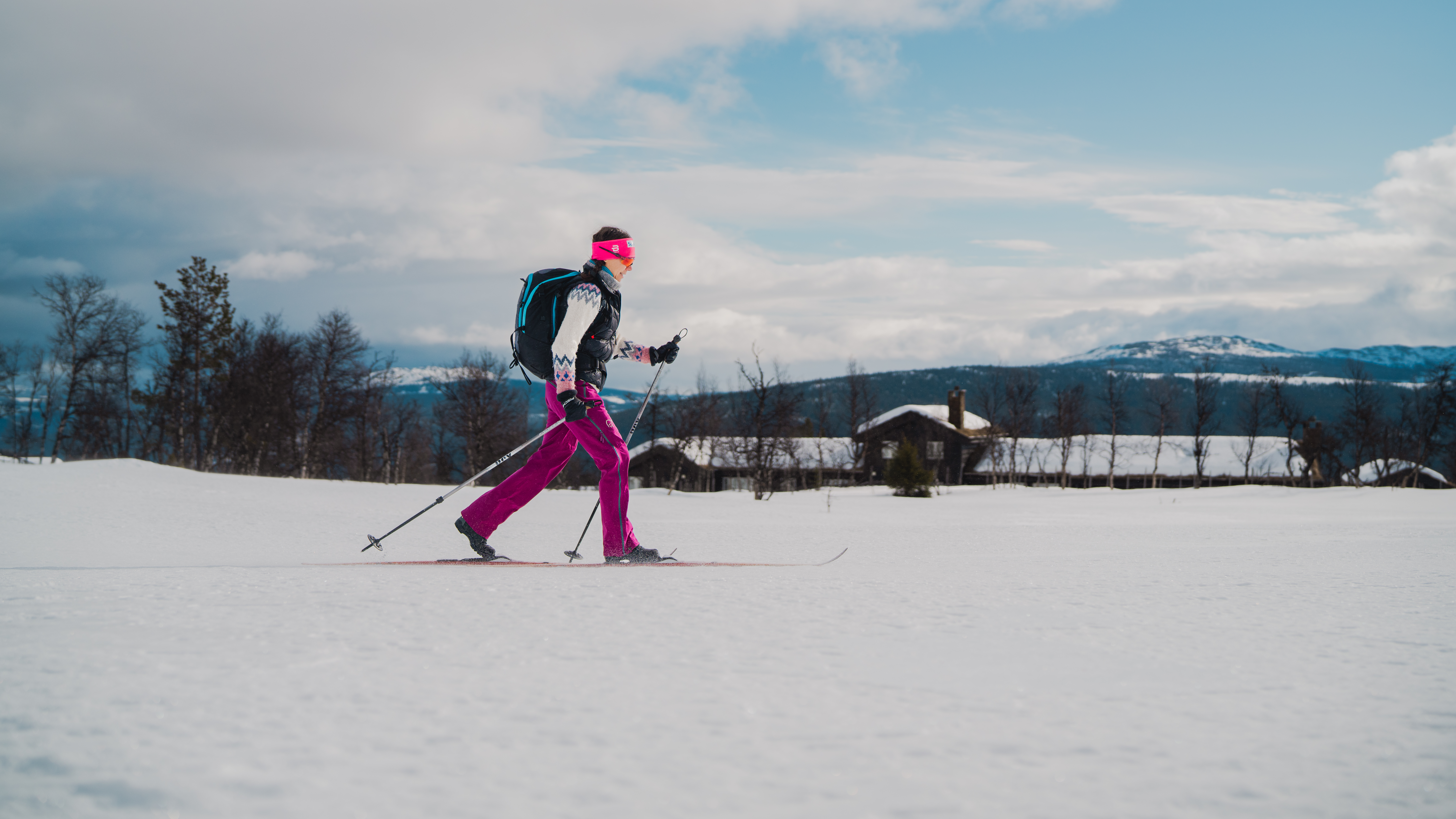
Cross-Country Skiing in Skåbu, Norway
Sri Lanka Tea Trails & Temples Multi-Adventure
A marvelous mix of rock-cut temples, wondrous wildlife, dazzling culture, and enchanting hikes await on this in-depth exploration of the "Resplendent Isle." Immerse yourself in tea country, traveling by train and trail among misty plantations as you sample aromatic cups. UNESCO-listed Buddhist temples take you to the top of a granite peak and to the relic of the Buddha's tooth. Safari among elephants, kayak along mangroves, and hike through cloud forests in the rich biodiversity of the lesser-visited Central Highlands.

Rio de Janeiro & Iberostar Amazon Cruise
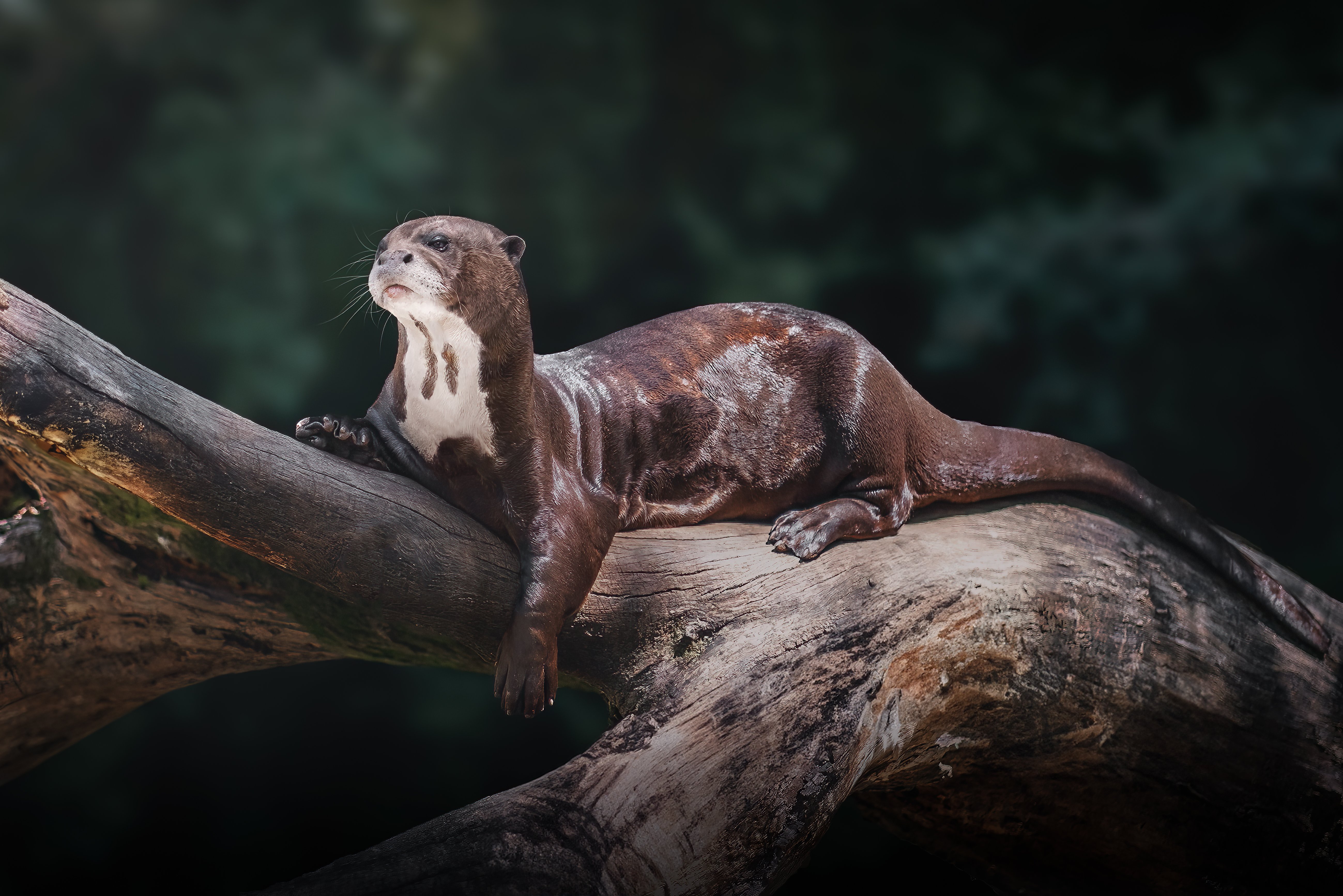
Adventure in Queensland
Set out on the ultimate Queensland adventure, where every day brings unforgettable experiences. Snorkel the vibrant coral gardens of the Great Barrier Reef, then see it from above on a breathtaking helicopter tour. Feel the adrenaline rush of whitewater rafting, then float peacefully in a hot air balloon over the lush rainforest. A magical overnight stay at the Australia Zoo, complete with behind-the-scenes tour and up-close wildlife encounters is a one-of-a-kind experience on your great adventure. Explore the Moreton Island desert by safari and race down dunes on a sand toboggan, then take to the skies once more with another scenic helicopter flight. In Brisbane, climb the iconic Story B...

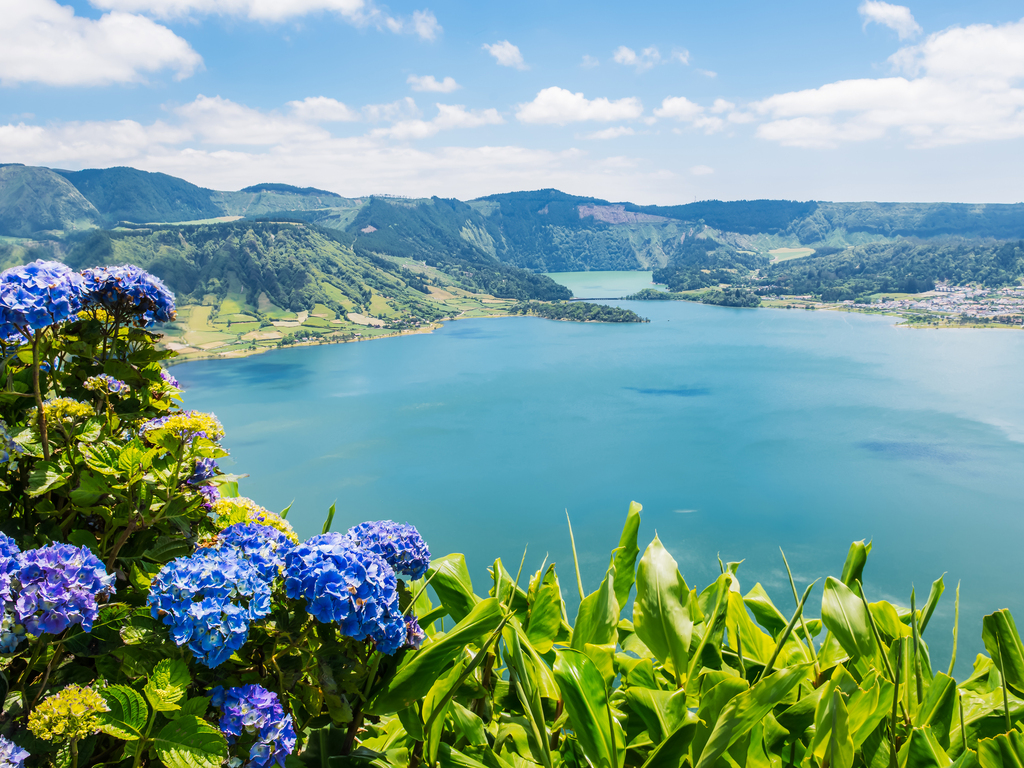
Madeira and the Azores: An Active Culinary Adventure
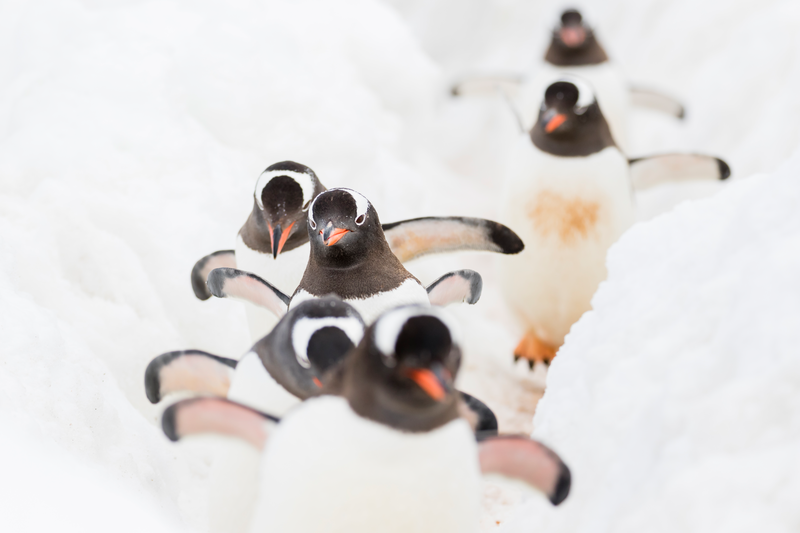
Voyage to Antarctica
Explore Antarctica in expedition style, aboard an authentic expedition ship is an incomparable experience and your guarantee of an in-depth encounter with all its wonders.
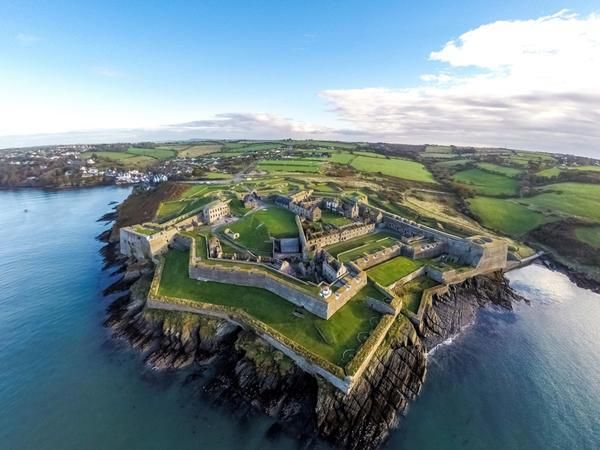
Ireland's Picturesque South Adventure Tour with Private Driver/Guide - 7 Night Customizable Itinerary
Experience Ireland your way with our most personalized style of travel for up to 9 guests. Enjoy your own private car with a driver who knows the local history and has plenty of insider stories to share. Perfect for heritage seekers, multi-generational families, and milestone celebrations.
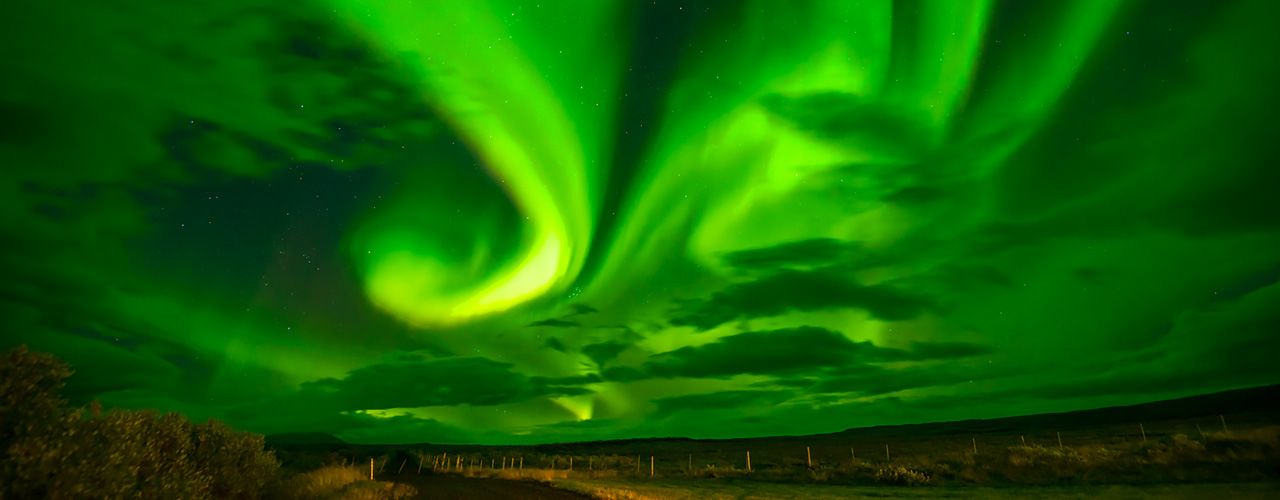
Adventures Across Iceland
Across the island from Reykjavik to Akureyri and the beautiful northern fjords, our expert guides will immerse you in the life, history, culture and cuisine of their homeland. Relaxing geothermal lagoons and excursions to hunt for the Aurora Borealis far from city lights complete our winter Iceland adventure!
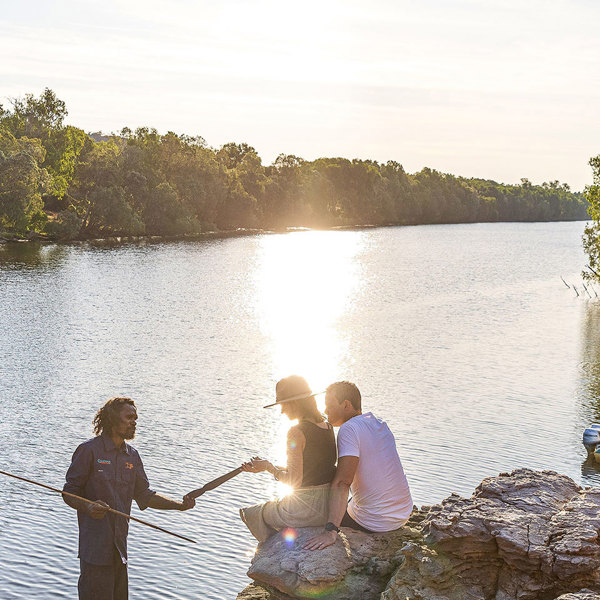
Kakadu & East Alligator River
Join an adventure through Kakadu National Park and East Alligator River. Discover ancient Aboriginal rock art at Ubirr and Burrungkuy (Nourlangie), cruise the Yellow Water Billabong to spot wildlife, and explore the remote Mikinj Valley by 4WD. Take a cultural cruise on the East Alligator River with an Aboriginal guide, learning about traditional land ownership, bush skills, and the rich cultural heritage of the region. This tour offers a unique opportunity to connect with the natural beauty and cultural significance of Australia's Top End.
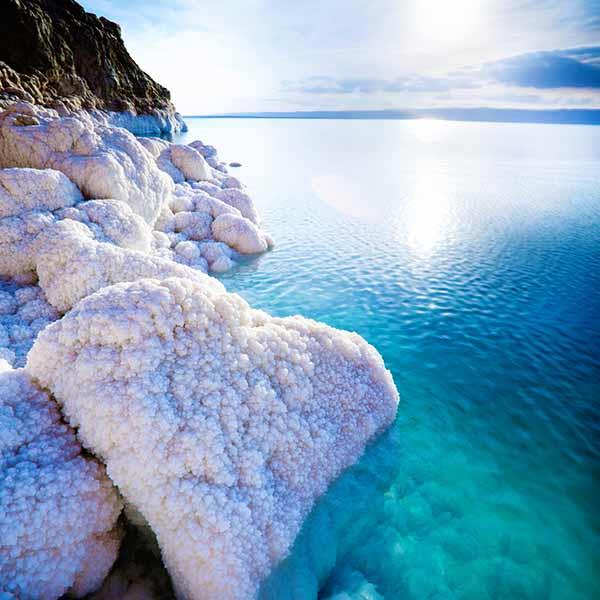
11 Day Active Jordan Discovery
Stay active on this adventure through Jordan, a land of desert, canyons, mountains, superb scuba diving, and a remarkable UNESCO World Heritage Site. Watch as the landscape and history of the country unfold before your eyes.